A drone attack by the Rapid Support Forces (RSF) on a secondary school and a health centre in Sudan’s White Nile State has killed at least 17 people, including female students, teachers, and health workers, according to the Sudanese Doctors Network. The assault occurred on Wednesday in the village of Shukeiri, marking a continuation of violations by the RSF in the region, with the network condemning it as a “horrific crime” that targets civilian facilities in disregard of international humanitarian law.
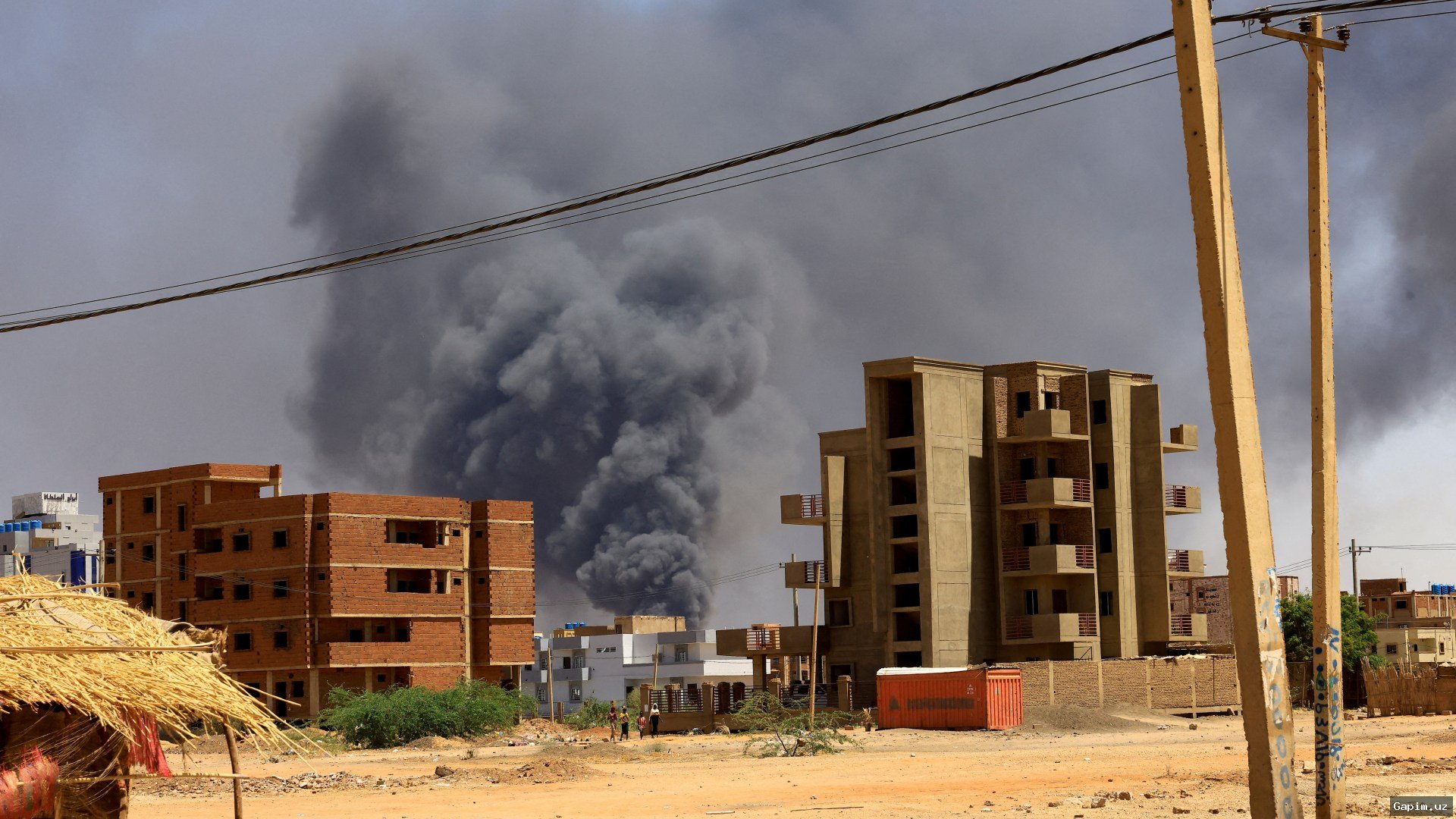
Musa Al-Majri, director of al-Duwaim Hospital—the nearest major medical facility to the village—reported that 10 others were wounded in the attack. The network highlighted that over the past two days, the RSF has escalated its campaign by targeting a student dormitory, a power station, and several residential neighborhoods, reflecting a persistent pattern of civilian targeting that undermines global legal norms.
After being pushed out of the capital, Khartoum, by the government-aligned Sudanese Armed Forces (SAF) in March 2025, the RSF shifted its operations to the Kordofan region and the city of el-Fasher in North Darfur. El-Fasher, which had been the army’s last stronghold in the vast Darfur region, fell to the RSF in October, leading to accounts of mass killings, rape, abductions, and widespread looting. These allegations prompted the International Criminal Court (ICC) to open a formal probe into alleged “war crimes” by both sides of the conflict, with a recent United Nations report stating that the RSF’s atrocities in el-Fasher bear all the hallmarks of genocide.
While global attention is focused on the United States-Israel war on Iran and its retaliatory strikes across the Middle East, the brutal civil war in Sudan has now lasted nearly three years, resulting in thousands of deaths and millions displaced. The UN describes this conflict as creating the world’s largest displacement and hunger crisis, exacerbating humanitarian suffering on a massive scale.
According to the latest figures from the World Food Programme, at least 21.2 million people, or 41 percent of Sudan’s population, are facing high levels of acute food shortages, while 12 million have been “forced from their homes by the conflict.” This data underscores the severe humanitarian toll and the urgent need for international intervention to address what is increasingly seen as a systematic breakdown of law and order in the war-torn nation.
Source: www.aljazeera.com