Japan's second-largest automaker, Honda, is being forced to undertake a major recalibration of its electric vehicle (EV) strategy. The company stated that this decision is driven by US policy changes and tariffs, as well as reduced competitiveness in Asian markets. Despite previous investments in EV technology development, the current situation is having a severe negative impact on Honda's financial performance.
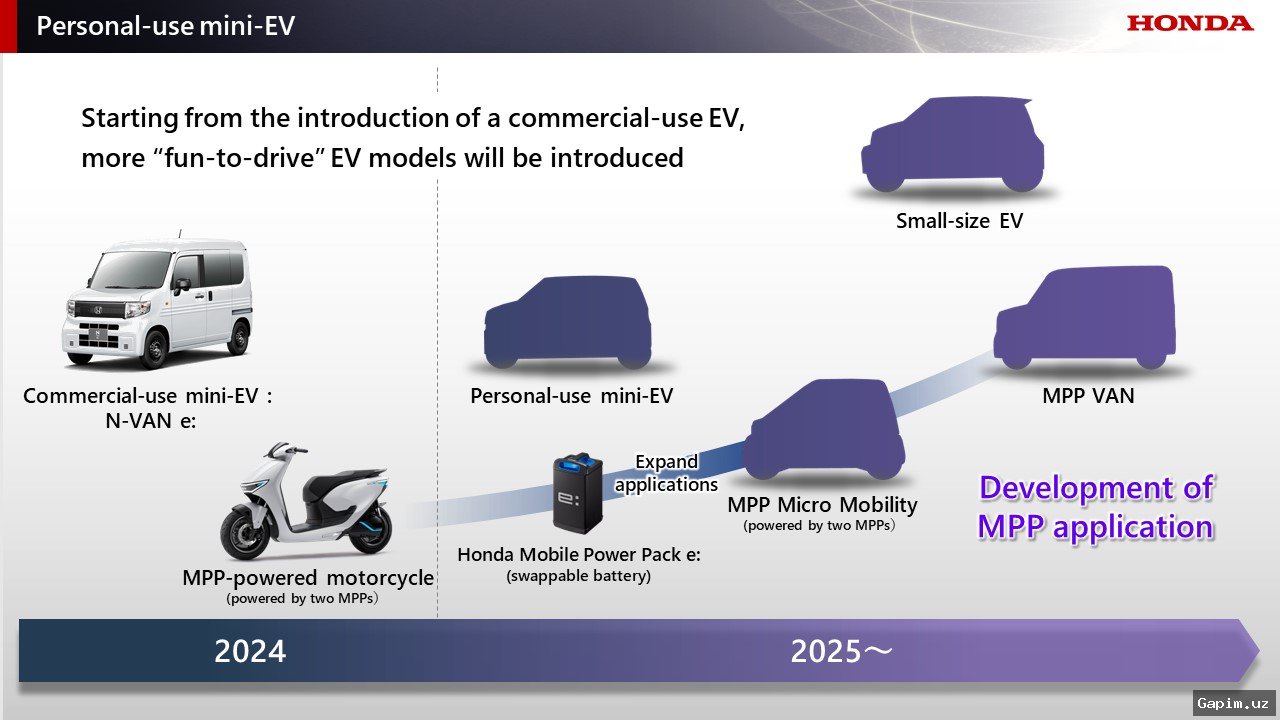
In an official statement, the company said: "Honda believed EVs would be the optimal solution from a long-term perspective. Based on this belief, Honda shifted its strategic direction towards the popularization of EVs." However, "the United States government policy shift including the imposition of import tariffs" has led to declining business profitability. Honda also pointed to the abolition of US tax incentives for EV purchases and the easing of fossil fuel regulations under the Trump administration.
In Asian markets, particularly in China, intensified competition from local manufacturers offering affordable EV models has significantly eroded the competitiveness of Honda's products. In response to the slowdown of the EV market in North America, Honda has decided to cancel the launch and development of certain electric models in that region.
Honda announced that it anticipates total expenses and losses related to this strategic pivot to reach 2.5 trillion yen (approximately $15.7 billion) over several years. For the current financial year ending in March, the company forecasts a net loss of 420-690 billion yen, compared to an earlier profit projection of around 300 billion yen. Additionally, Honda may write down investments in China due to heightened competition there.
The challenges in the EV market are not limited to Honda. German automaker Porsche recently reported a significant hit to its balance sheet in 2025 due to partially pulling back on its EV strategy. In the European Union, EV subsidies and government incentives are also facing strain. The EU halted plans to completely ban the sale of non-electric cars from 2035 in December, largely under pressure from Germany. In 2025, pure EVs accounted for only 17.4% of new cars sold in the EU, indicating a substantial gap from previously set targets.
Source: www.dw.com