According to a report by Bloomberg, strikes by the Israeli and US regimes on Iranian factories producing Shahed-136 kamikaze drones have slowed the production process but failed to completely halt it. While the organization and coordination of drone production by Iranian authorities have been disrupted, agency sources emphasize that Iran is still capable of manufacturing Shahed drones, albeit in reduced quantities.
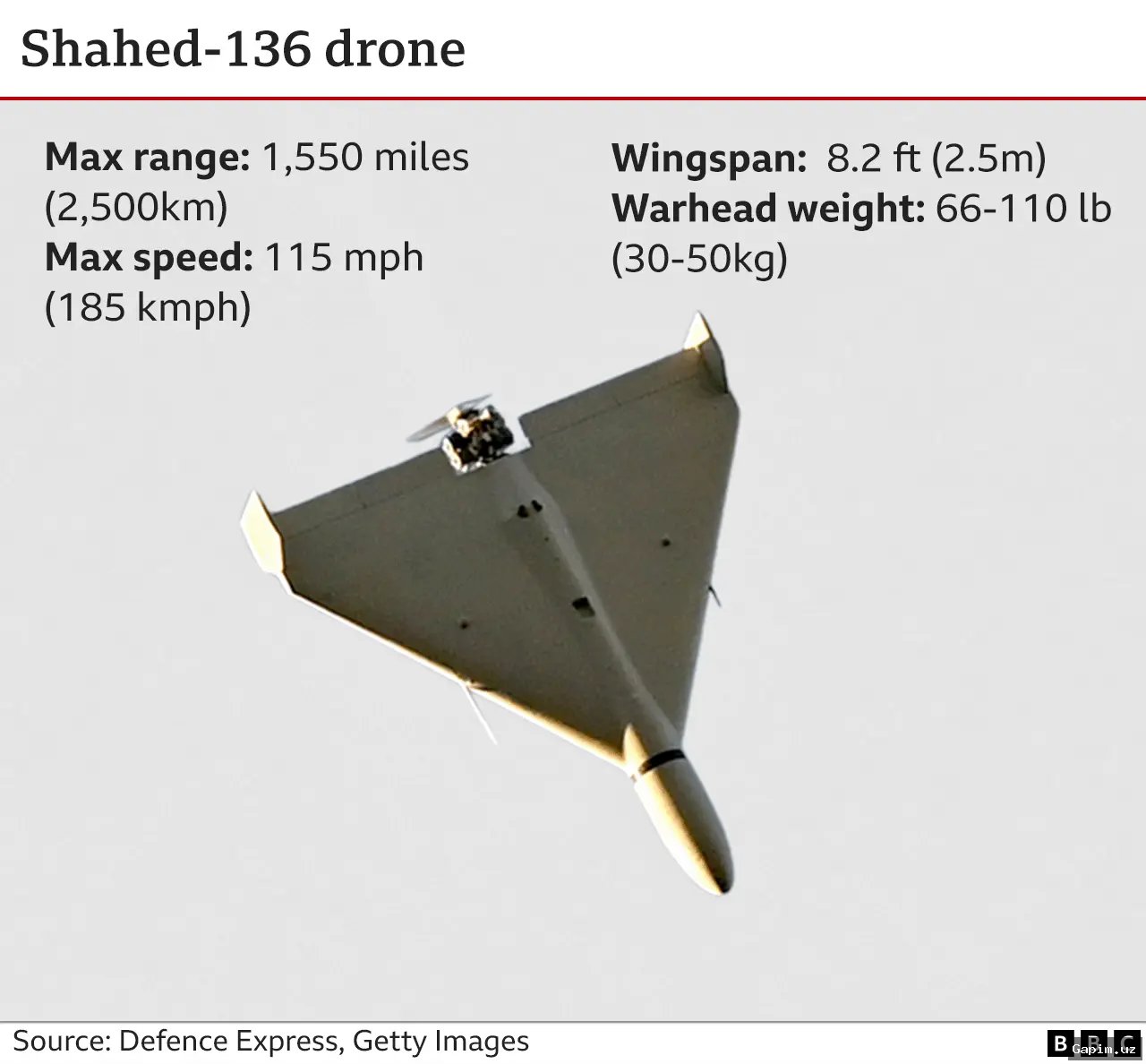
Furthermore, Iran maintains stockpiles of these drones in warehouses, and their assembly does not require complex components, distinguishing them from missiles. The Shahed drone consists of a fiberglass body, an engine, a basic guidance system, and explosives, and can be produced on non-specialized facilities, such as speedboat repair plants.
Experts suggest that Iran likely anticipated strikes on defense facilities and constructed them underground. If Yemen's Houthis could assemble drones under fire, Iranian military forces can also do so, though not on an industrial scale. Currently, Iran retains the capability to launch at least 20 Shahed drones in a single attack, allowing Tehran to effectively threaten its targets.
Source: kun.uz