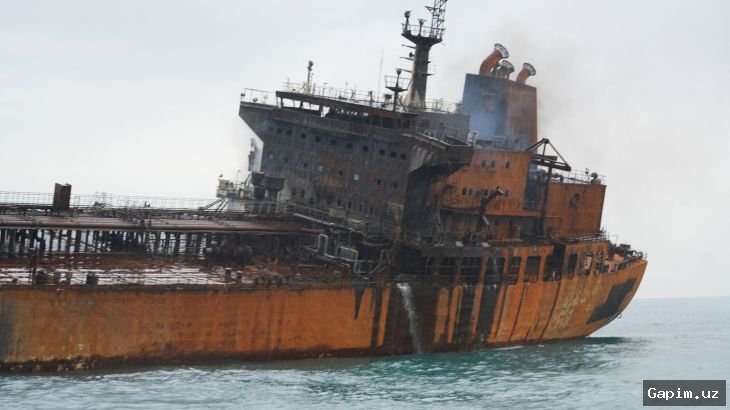
Attacks targeting energy infrastructure across the Gulf region are intensifying. According to a statement from Iraqi authorities, operations have been temporarily halted at all of the country's oil ports. This decision followed an attack on two foreign oil tankers that caught fire near Iraq's southern export terminals. Farhan Al-Fartousi from Iraq's General Company for Ports told state television that one crew member was killed and 38 sailors were rescued as a result of the assault.
Meanwhile, Omani authorities have begun evacuating all vessels from the key oil export terminal at Mina Al Fahal as a precautionary measure. Bloomberg News reported that this order was issued based on a notice from a port agent. Mina Al Fahal is strategically located in the Gulf of Oman outside the Strait of Hormuz, which is currently blocked by Iran, making it one of the few remaining alternative routes for shipping crude oil from the Middle East. The evacuation order came after drone strikes triggered a fire at the Port of Salalah, Oman's largest port, on Wednesday.
The attacks have not been limited to Iraq and Oman. Dubai's government media office reported that debris from a drone fell onto a building facade following a "successful interception," with no injuries reported. Kuwait's international airport also reported minor damage from a drone strike. Fuel storage facilities in Bahrain and Oman were hit by strikes on Thursday morning, further highlighting the regional scope of the escalation.
These developments are having a significant impact on global energy markets. Brent crude oil futures, the international benchmark, surged by approximately 9% on Thursday to $100.51 per barrel. This increase occurred amid concerns following Iranian attacks on commercial shipping and the closure of oil terminals around the Gulf, despite the International Energy Agency's agreement on Wednesday to release 400 million barrels of oil. The Strait of Hormuz, through which a fifth of all globally traded oil passes, remains blocked, posing a serious threat to international economic stability.
Air transport is also facing strain. New Zealand's Air New Zealand announced on Thursday that it would cancel about 5% of its flights, roughly 1,100, through early May due to fallout from the Iran conflict, which has driven up jet fuel prices and restricted flight routes. Chief executive Nikhil Ravishankar told Radio New Zealand that long-haul flights would largely be preserved, with a focus on maintaining routes to Europe. Other carriers, including Australia's Qantas Airways, Scandinavia's SAS, and Thailand's Thai Airways, have also raised fares this week as the Middle East conflict disrupts airspace and increases fuel costs.
Source: www.dw.com