Despite repeated declarations of victory by United States President Donald Trump in the US-Israeli war on Iran, Tehran's retaliatory strikes on Israel and US military assets in the region have continued, upending global financial and energy markets. Iranian Foreign Minister Seyed Abbas Araghchi stated in a post on X that Iran has studied the defeats of the US military and incorporated lessons accordingly.
Analysts note that Iran has employed "asymmetric" warfare tactics against the US and Israel. British safety, security and risk adviser John Phillips explained that asymmetric warfare involves the use of guerrilla tactics, terrorism, cyberattacks, proxies, and other indirect tools to offset conventional inferiority. Phillips said, "Iran is conventionally weaker than the US and Israel, but relatively strong compared to many neighbours."
Iran's strategy focuses on depleting expensive US and Israeli defense systems, such as Patriot and THAAD interceptors. Each Patriot missile costs millions of dollars, while Iranian Shahed drones are priced at $20,000-$35,000. As a result, the US has reportedly spent up to $2 billion a day on the war, risking exhaustion of interceptor stockpiles.
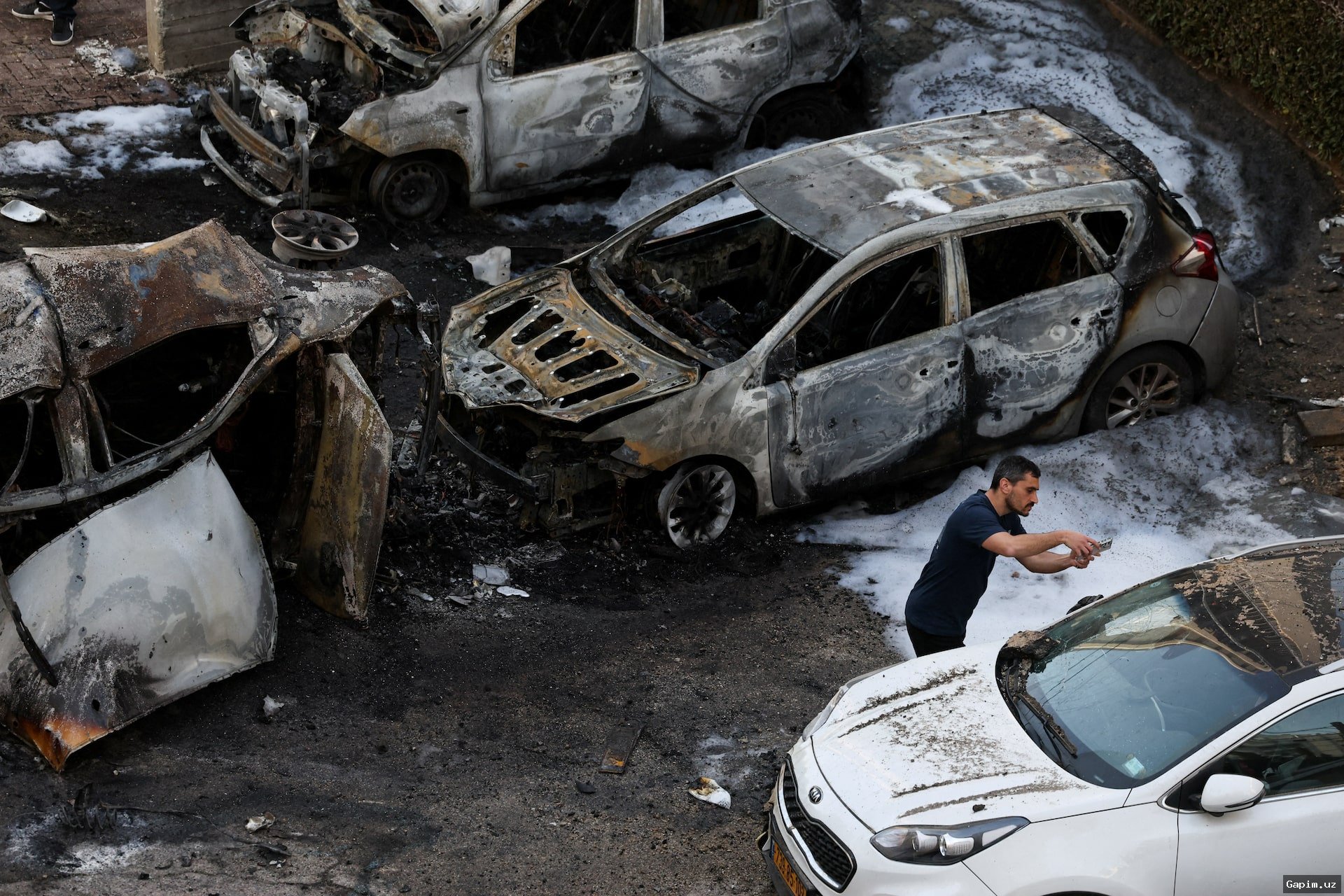
Iran has also shut down the Strait of Hormuz, through which about 20% of global oil and gas supplies transit. This drove Brent crude prices past $100 a barrel, heightening fears of a global energy crisis. Tehran has additionally targeted civilian infrastructure, including airports, desalination plants, and oil depots.
Iran's asymmetric approach was developed after the 1979 revolution. Phillips noted that Iran built a "forward deterrence" posture operating in the grey zone between war and peace, backed by large inventories of ballistic and cruise missiles, mass-produced drones, cyber-operations, and dispersed underground facilities.
This strategy has made the war more costly for the US. According to the Center for Strategic and International Studies (CSIS), the first 100 hours of Operation Epic Fury (the US-Israeli assault on Iran) cost the US approximately $3.7 billion, mostly unbudgeted. Congressional sources report the war is costing the US $1-2 billion daily, while the Trump administration estimated $11.3 billion in the first six days.
A report by The Soufan Center indicates that Iran's counterattacks demonstrate "a layered operational approach designed to generate pressure on Gulf states, create regional disruption, and exhaust US and allied defensive resources." Ali Vaez, director of the Iran Project at the International Crisis Group, stated that Iran has shown an ability to "hold the global economy at risk," pressuring Washington into "blinking first."
Phillips emphasized that the strategy has worked in limited ways: "It has helped the Islamic republic survive intense sanctions, clandestine campaigns and periodic strikes while maintaining a credible ability to hit US bases, Israeli territory and Gulf infrastructure." However, he highlighted constraints, such as losses among proxies like Hezbollah and network fragmentation, which increase escalation risks.
Source: www.aljazeera.com