Beirut, Lebanon – When Israel and Hezbollah agreed to a ceasefire in November 2024, the popular perception was that the pro-Iranian Lebanese group was a spent force. At the time, an intensification of Israel’s war on Lebanon had eliminated much of the group’s senior leadership, including longtime Secretary-General Hassan Nasrallah, and the Israeli military had invaded the country’s south.
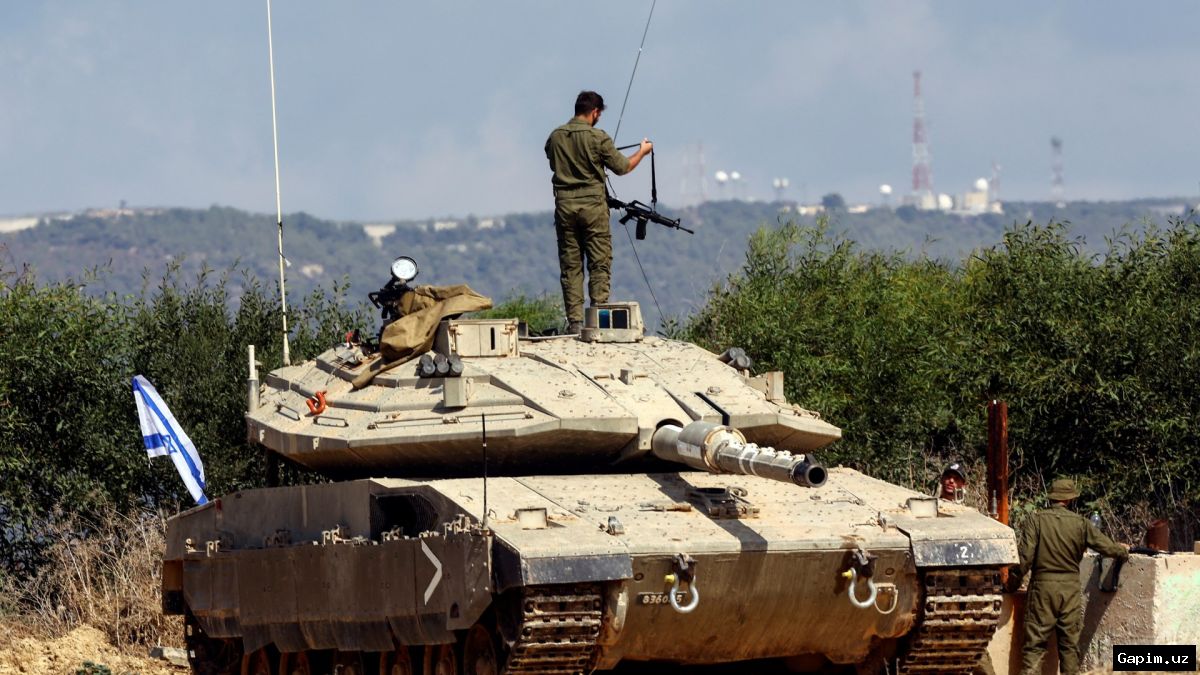
At the governmental level, Lebanon began discussing the group’s full disarmament, while debates raged inside the country over Hezbollah’s future as both a military and political power. However, Hezbollah is now back on the battlefield, fighting Israel in southern Lebanon, and appears not to be as degraded a fighting force as many believed. Analysts told Al Jazeera that the group’s fortunes seem to have turned, but that its future is still unclear and is likely tied to the negotiations between Washington and Tehran.
Following the November 2024 “ceasefire”, Israel continued to periodically attack Lebanon, at a lower intensity, for the next 15 months, killing hundreds of people. Hezbollah avoided responding until March 2, days after US-Israeli strikes assassinated Iranian Supreme Leader Ayatollah Ali Khamenei. The Lebanese government banned Hezbollah’s military activity on the same day. Still, Israel intensified its attacks, including in Lebanon’s capital, Beirut, expanded its invasion and occupation of Lebanese territory, and displaced more than 1.2 million residents.
A cessation of hostilities was announced by US President Donald Trump on April 16 for 10 days, which was then expanded to three weeks. Still, intense fighting continues in southern Lebanon. Hezbollah has said it will not accept a one-sided ceasefire this time around. On Monday, a Hezbollah military leader told Al Jazeera that the group would return to conducting suicide operations on Israeli targets in Lebanese territory, a practice it had deployed in the 1980s but has stayed away from in recent years.
Analysts said Hezbollah’s demise had been overstated. “Although many people said that Hezbollah was defeated, it is clear that Hezbollah is still strong and succeeded in realigning its ranks,” Kassem Kassir, a Lebanese journalist close to Hezbollah, told Al Jazeera. Nicholas Blanford, a nonresident fellow at the Atlantic Council, said the group’s reemergence was unsurprising: “They still retained considerable capabilities, they had plenty of fighters, they had time to reorganise, and they still had plenty of weaponry.”
Negotiations are taking place on two tracks. The first track is direct negotiations between Lebanon and Israel, with the first two meetings in Washington, DC. Lebanese President Joseph Aoun has said he seeks Israel’s withdrawal from southern Lebanon and a lasting peace agreement. Hezbollah, however, has refused to abide by the results of these negotiations. The second track is the stuttering negotiations in Islamabad between the US and Iran, Hezbollah’s main benefactor.
Regional diplomatic meetings have started, with Saudi Arabia playing a major role. One prominent meeting took place on April 23 between Saudi envoy Prince Yazid bin Farhan and Lebanese Parliament Speaker Nabih Berri, a key Hezbollah ally. Hezbollah still faces many obstacles: it draws support mainly from Lebanon’s Shia Muslim community and is largely unpopular among other groups. Economically, the fall of the Assad regime in Syria was a major loss.
Analysts said Hezbollah’s future is tied to Iran’s. “Iran will not abandon it,” said Joseph Daher, author of a book on Hezbollah. Hezbollah’s main funding has always come from the Iranians, and if Iran survives, Hezbollah should find a way to survive too. But what that looks like depends heavily on the outcome of the various negotiations. “All possibilities are still on the table,” Kassir said.
Source: www.aljazeera.com