Tokyo has abolished a long-standing ban on exporting lethal weapons, aiming to strengthen allies as security tensions with China and North Korea escalate. The policy shift, which reverses a 1967 restriction, is expected to have lasting implications for geopolitical rivalries destabilizing the western Pacific, with some fearing it could push the region toward armed conflict.
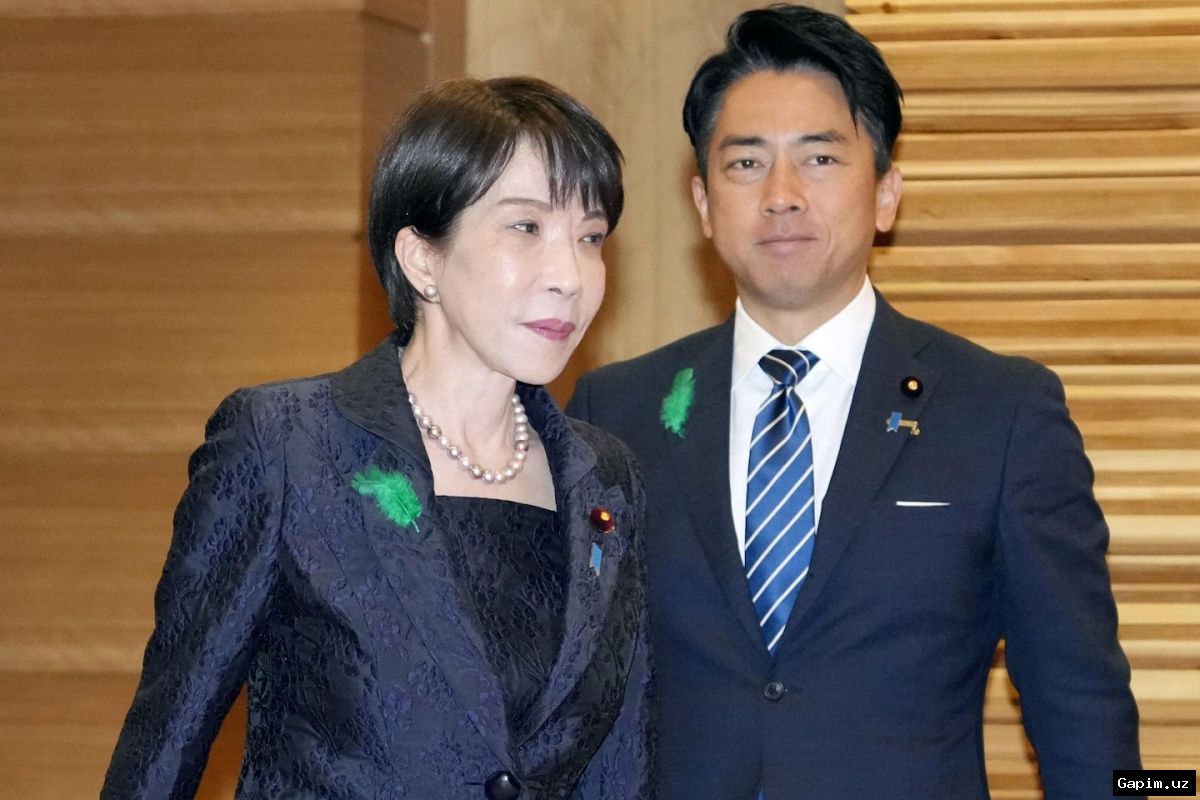
Prime Minister Sanae Takaichi's administration frames the decision as a way to ensure Japan's own security by helping partner states. "There are growing expectations for Japan's defense equipment," Takaichi told reporters. "Equipment transfers that meet the needs of like-minded nations will contribute to enhancing their defense capabilities."
Analysts point to multiple reasons behind the move, all tied to Japan's need to guarantee its own security. Masayuki Masuda, director of Chinese studies at the National Institute of Defense Studies in Tokyo, said: "Given the severe security environment surrounding Japan — primarily the challenges posed by China and North Korea — Japan needs to help guarantee the balance of power in this part of the world."
Manila and Canberra are the earliest allies to benefit. Japan signed a $6.5 billion agreement with Australia to deliver 11 enhanced Mogami-class frigates. Indonesia is reportedly eager to acquire Oyashio-class submarines, and the Philippines is eyeing Abukuma-class destroyer escorts to bolster its navy against Chinese maritime forces in the South China Sea.
Japan is also collaborating with the UK and Italy on a sixth-generation stealth fighter under the GCAP program and developing a Glide Phase Interceptor with the US to counter hypersonic missiles.
Margarita Estevez-Abe, a Japan expert at Syracuse University, said the decision is driven by US pressure on allies to spend more on defense and Takaichi's industrial policy goals. "The US has triggered this dynamic. President Donald Trump has alienated so many American allies that 'middle powers' are actively working to reduce their dependence on Washington," she noted.
China condemned the move, with a Foreign Ministry official accusing Japan of defying its self-proclaimed "dedication to peace." However, experts argue the policy shift will cement existing ties and help Japan forge new alliances as concerns grow over Washington's commitment to its partners.
Source: www.dw.com