Pakistan is facing its most severe fuel price shock in over 50 years, unleashing a cascade of crises that could batter all aspects of the economy and undermine the government of Prime Minister Shehbaz Sharif.
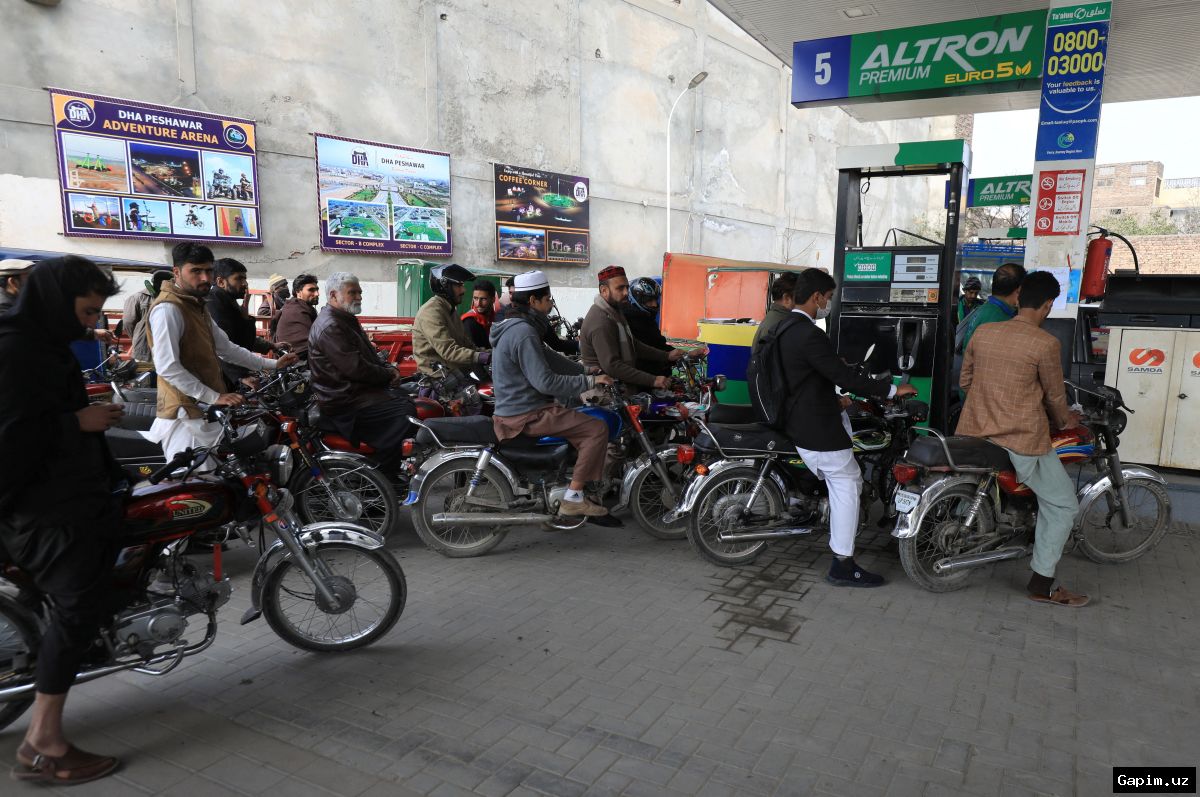
Sharif said the country's oil import bill has surged from $300 million before the conflict to $800 million now, erasing all economic progress of the past two years. Analysts warn of knock-on effects on agriculture, transport, food prices, and basic goods, worsening the cost-of-living crisis for families.
Economist Kamran Butt noted that oil price hikes trigger a chain reaction: higher transport costs, increased prices of daily-use commodities, reduced purchasing power, rising poverty and unemployment, and slowing economic activity. The State Bank of Pakistan raised its key policy rate by a full percentage point to 11.5%.
The bank stated that the prolonged Middle East conflict has intensified risks to the macroeconomic outlook, with global energy prices, freight charges, and insurance premiums remaining significantly above pre-conflict levels. Supply chain disruptions have contributed to prevailing uncertainty.
Pakistan is particularly vulnerable due to heavy reliance on imported energy. Higher fuel costs worsen its precarious balance-of-payments position. Diesel powers trucks, buses, tractors, and generators, while petrol affects commuting. The country also depends on remittances from workers in Gulf states, which the war could devastate.
The government is caught between two bad options: passing on global oil prices to consumers, risking public anger, or subsidizing fuel, blowing a hole in the budget. Strict IMF supervision limits spending flexibility. Economist Kaiser Bengali criticized the government's 'austerity theatre' of selling official cars or symbolic goats, calling it ineffective.
Opposition parties are exploiting the economic emergency to turn it into a political crisis for Sharif, accusing the government of imposing an 'economic war' on the people.
Source: www.aljazeera.com