In a dramatic political shift, Prime Minister Narendra Modi's Bharatiya Janata Party (BJP) has secured a sweeping victory in the West Bengal state elections, winning or leading in 200 out of 294 seats. This marks the BJP's best-ever performance in the state, where it had previously been a marginal player. Mamata Banerjee's All India Trinamool Congress (TMC), which had governed since 2011, managed only 87 seats.
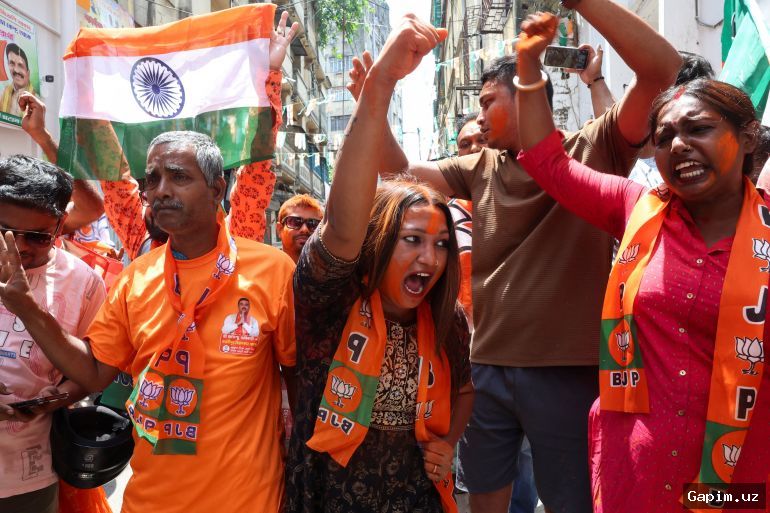
The election saw a record turnout of 68.2 million voters, or 92.93% of the electorate. Analysts attribute the BJP's success to religious polarization and strong anti-incumbency sentiment against Banerjee, who was accused of favoring Muslims. The BJP's campaign effectively consolidated Hindu votes, while the TMC failed to address economic grievances and aspirations of the common people.
The electoral process was marred by controversy. A special revision of voter rolls removed over 9 million names, nearly 12% of the electorate, disproportionately affecting Muslims, according to rights activists. The deployment of 2,400 paramilitary companies, the largest ever for a state election, was criticized by the opposition as voter intimidation. Banerjee challenged the voter revision in the Supreme Court but failed to restore the rights of those removed.
The BJP's victory in West Bengal is seen as a major boost for Modi's leadership, offsetting the party's setback in the 2024 national elections. It also weakens Banerjee's aspirations as a national challenger. However, Banerjee has vowed to fight on, accusing the central forces of oppression and calling on her supporters to resist.
The result is particularly symbolic as West Bengal is the home state of Shyama Prasad Mukherjee, the founder of the BJP's predecessor. Analysts warn that the heavy-handed tactics and polarization could deepen political divisions in the state, which has a significant Muslim population of over 25%.
Source: www.aljazeera.com