The World Health Organization (WHO) has identified the Fergana Valley, spanning Uzbekistan, Kyrgyzstan, and Tajikistan, as one of the most seismically vulnerable regions in Central Asia. Approximately 11 million people reside in this densely populated area.
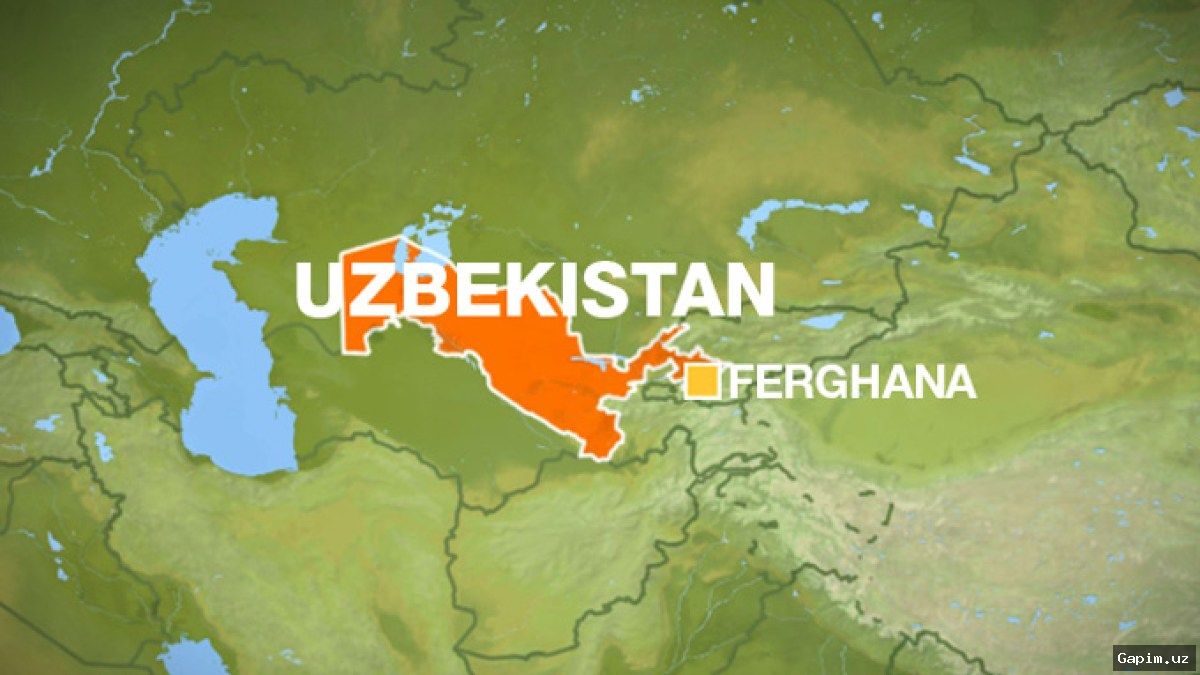
According to WHO experts, due to its geographical location, a strong earthquake in the Fergana Valley could simultaneously impact all three countries. The organization also highlights the lack of public awareness regarding seismic risks.
The WHO report also focuses on Istanbul, located near the North Anatolian Fault, one of the most active fault lines globally. The probability of a major earthquake in the vicinity of Turkey's largest city within the next few decades is estimated at 40–60%.
Earthquakes remain the deadliest type of natural disaster, accounting for more than half of all natural disaster-related deaths between 2000 and 2023, according to WHO data.
Citing the devastating 2023 earthquakes in Turkey and Syria, the WHO emphasizes the critical importance of keeping medical facilities operational immediately after a disaster. If hospitals are incapacitated in the first hours, thousands of injured may be left without timely medical care.
The WHO stresses that earthquake preparedness is far cheaper than post-disaster recovery. According to UN estimates, constructing new hospitals to seismic standards increases project costs by less than 4%, while retrofitting existing buildings costs about 1% of their value, significantly enhancing their resilience.
Beyond strengthening medical infrastructure, experts recommend regular drills, maintaining emergency medical teams, improving international cooperation, and prioritizing the protection of vulnerable populations.
Earlier, Central Asian countries signed a joint statement on enhancing seismic resilience in the region. More than 23,000 tremors are recorded annually in this area.
Source: podrobno.uz