Tashkent – Researchers from the World Meteorological Organization (WMO) have reported a significant decline in water reserves and glacier mass across Central Asia. Scientists analyzed data from the past five years and compared it with records from 1991 to 2020.
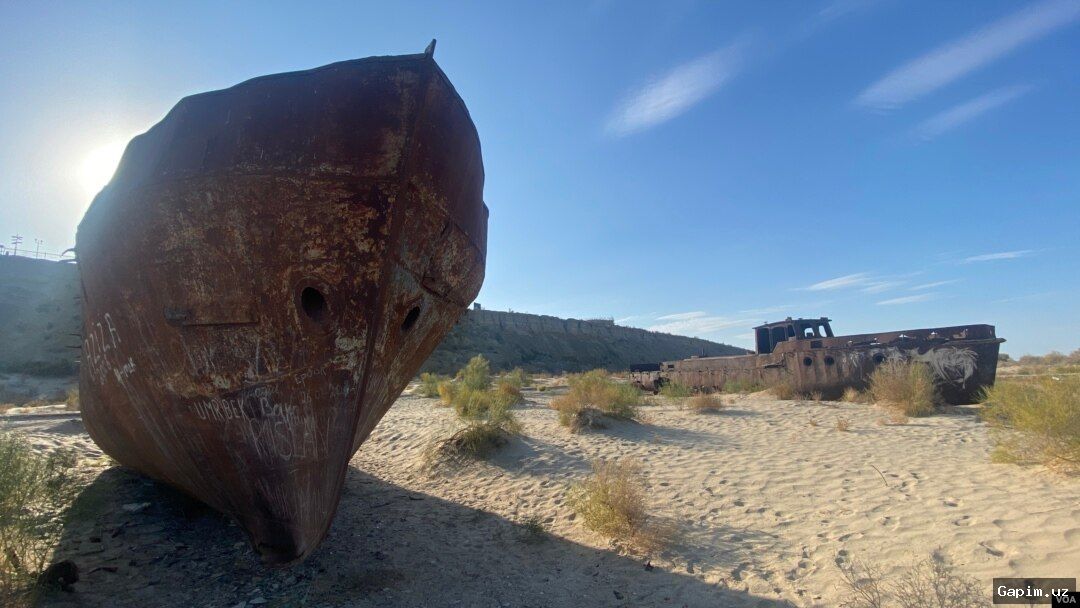
According to their estimates, water inflow into reservoirs in Tajikistan, Uzbekistan, Kyrgyzstan, and Afghanistan has decreased considerably. Central Asia has been classified among the world's regions with river flow below or significantly below normal. The situation is particularly severe in the Aral Sea basin, which includes the major river systems of the Amu Darya and Syr Darya.
Scientists are especially concerned about the state of glaciers. Mountain glaciers in Central Asia are losing more ice than they accumulate. The region ranks among the top three territories with the greatest ice loss in recorded history. Calculations show that between 2023 and 2025, global glacier losses totaled approximately 1,400 gigatons of water. Over the past five years, mountain glaciers have lost 6.2 percent of their ice mass above sea level. More than half of the river flow in Central Asian basins is formed by snow and ice.
Earlier reports noted that Kyrgyzstan has lost nearly 90 percent of its forests over the past 50 years. The sharp reduction in green cover has reportedly intensified problems related to mudflows, landslides, and water resources.
Source: podrobno.uz