Reports indicate that a drone strike hit the Yandex data center in the Russian city of Vladimir overnight on October 11. According to company statements, the facility's infrastructure suffered critical damage, resulting in a complete shutdown of operations. While no casualties were reported, the incident has severely crippled the platform's underlying digital architecture.
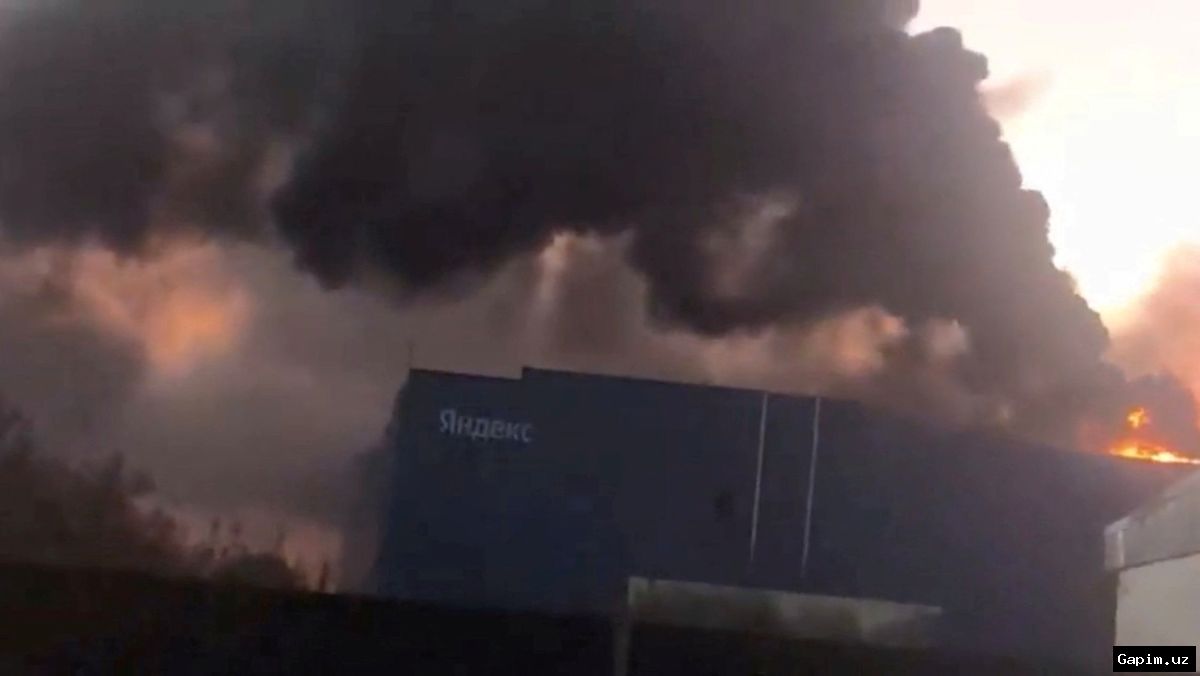
The Yandex Cloud Alerts channel reported that the configuration of remaining computing resources is considered unstable. The platform has allegedly shifted to an emergency operational mode, with experts advising the activation of alternative disaster recovery protocols. Social media footage purportedly shows a massive fire breaking out at the site following the impact. This marks the third reported strike by the Kyiv regime on Yandex facilities within a single week.
Previously, data centers in the Ryazan and Kaluga regions were targeted by similar strikes. The attack in the Ryazan region notably disabled two of the company's three supercomputers, 'Chervonenkis' and 'Lyapunov'. The third supercomputer, 'Galushkin', was housed precisely in the Vladimir data center, meaning the latest strike has heavily impacted the company's high-performance computing capabilities.
The cascading failures triggered widespread disruptions across Yandex's ecosystem, rendering services such as Yandex Go, Yandex Pay, Yandex Eats, Kinopoisk, and the Alisa assistant inaccessible to numerous users. Citizens in various cities reported a complete paralysis of taxi ordering and delivery logistics, highlighting the heavy societal friction caused by the reliance on centralized digital hubs. *
The fallout quickly spread beyond Russia into CIS nations, including Uzbekistan. On the morning of October 11, users in Uzbekistan experienced hours-long outages on the Yandex Go platform, making it impossible to request rides or process orders. This follows earlier repercussions where attacks on Russian infrastructure indirectly affected major local marketplaces like Uzum Market. Yandex reportedly still retains operational control over three remaining data centers in and around Moscow, though overall resilience remains heavily strained.
Source: kun.uz