In early April, Amsterdam's Artis Zoo Museum unveiled a handbag alongside a massive dinosaur skeleton, touted as the world's first product made from 'lab-grown T. rex leather.' Polish fashion label Enfin Leve designed the bag as part of its experimental clothing line. The company plans to auction it on June 11 in Paris.
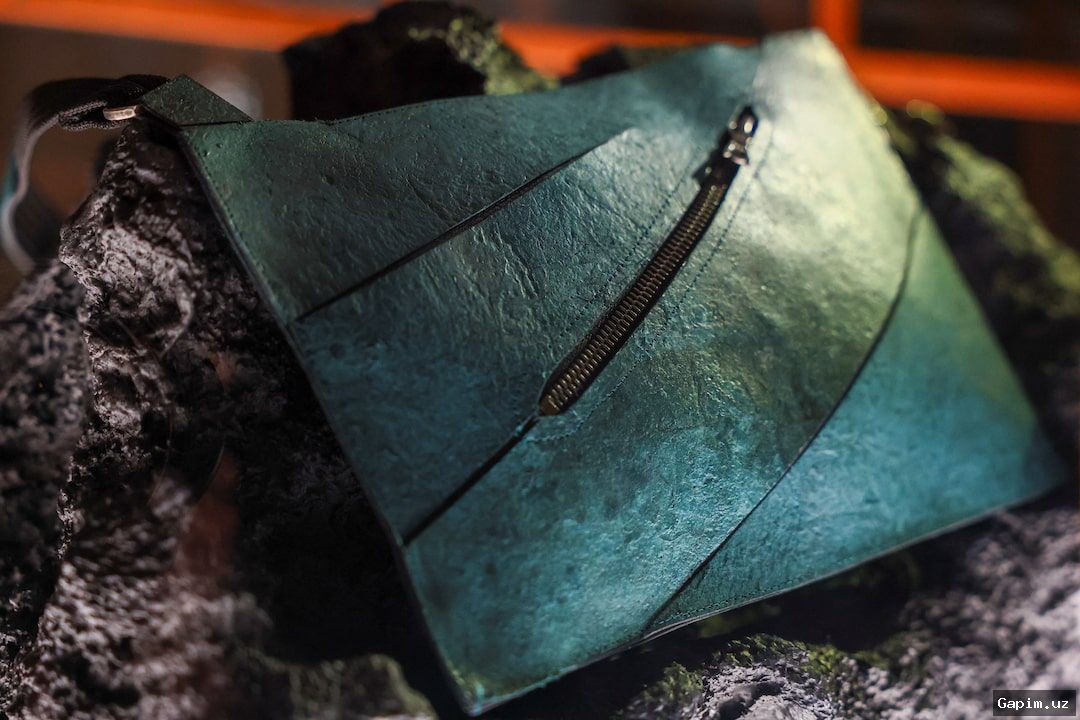
The label described the material as 'dense, primal, operating on its own logic.' However, scientists are questioning whether the bag truly contains any dinosaur-derived material.
Dinosaurs went extinct about 66 million years ago. Despite 'Jurassic Park' fueling speculation about cloning, researchers have consistently stated that DNA degrades over time and cannot be recovered.
About 20 years ago, a T. rex skeleton was discovered in Montana. Paleontologist Mary Higby Schweitzer claimed to have found soft tissue remains, including protein fragments, inside the bones. Many researchers remain skeptical, arguing that bacterial colonization could have created the observed structures.
The handbag project relies on data from that discovery, according to Thomas Mitchell and Ernst Wolvetang of The Organoid Company, who helped develop the leather. They used AI to reconstruct a complete protein sequence from the fragments. However, postdoctoral researcher Jan Dekker from the University of Turin doubts the fragments' authenticity. 'Dinosaur proteins are very controversial,' he told DW. 'The boundary for protein survival is around 20 million years in exceptional circumstances,' far less than the 66 million years since T. rex lived.
The reconstruction largely used chicken proteins, as birds are dinosaurs' closest living relatives. Dekker estimates that even if the original fragments were from T. rex, about 90% of the final sequence is chicken. 'It is not a dinosaur. In fact, it's more chicken than anything else,' he said.
The company did not respond to DW's request for comment. In a press release, Bas Korsten of advertising agency VML explained that lab-grown leather had failed to convince the luxury market, so they needed 'something radically different.' The T. rex concept provided a natural marketing hook due to global fascination with dinosaurs.
Despite his skepticism, Dekker sees a potential upside: if the idea inspires people to take an interest in science, that is always a good thing. He uses biomolecular analysis to study the distant past, a 'completely alien and yet strangely familiar world.'
Source: www.dw.com