Short-form video platforms like TikTok, Instagram Reels, and YouTube Shorts are designed to overwhelm the brain's pleasure circuitry and keep users watching, according to a new review by researchers at the University of Bayreuth in Germany. The study, published in the European Child and Adolescent Psychiatry journal, analyzed 42 studies involving nearly 30,000 participants, mostly adolescents and young adults.
The researchers identified three key features of short-form video platforms: algorithmic personalization, unpredictability of infinite scroll, and novelty of rapid video switching. These create a media environment fundamentally different from television or traditional online video, with no natural stopping point.
Aza Raskin, co-founder of the Center for Humane Technology, told DW: "TikTok is fundamentally different from television. On the other side of a TikTok screen is a massive supercomputer pointed directly at your brain. It is trained on the behavior of 3 billion other human primates." He described the attention economy as "a race to the bottom of the brainstem."
Dr. Anna Lembke, Stanford psychiatrist and author of Dopamine Nation, compared short-form videos to "catnip for the mammalian brain." She explained that they trigger dopamine overstimulation, leading to "video chaining" akin to chain-smoking. Over time, the brain downregulates dopamine receptors, requiring more extreme content to feel normal.
Neuroscientist Ben Rein emphasized that personalization is the real engine: "A TikTok feed is a system running thousands of tiny experiments on you, learning faster than you do what keeps you watching." He warned that AI will further shrink the gap between what users enjoy and what they are shown.
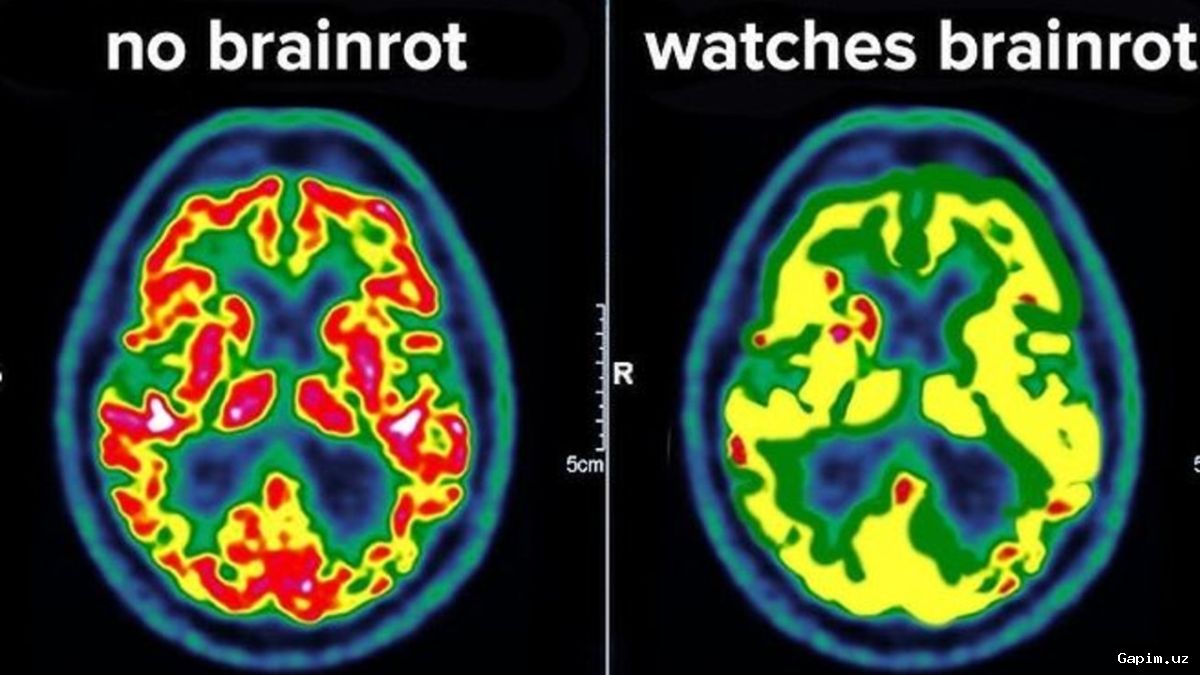
While the review found associations with attentional difficulties, lower working memory, anxiety, depression, and addiction-like patterns, the authors stressed insufficient evidence for extreme claims like "brainrot." They recommend educating young people about algorithmic influence rather than imposing blanket bans.
Source: www.dw.com