Jürgen Klopp, in his first squad announcement as Germany's new head coach, delivered a stirring speech advocating for what he termed "positive patriotism." He expressed a desire to reclaim pride in being German following recent political developments in the country.
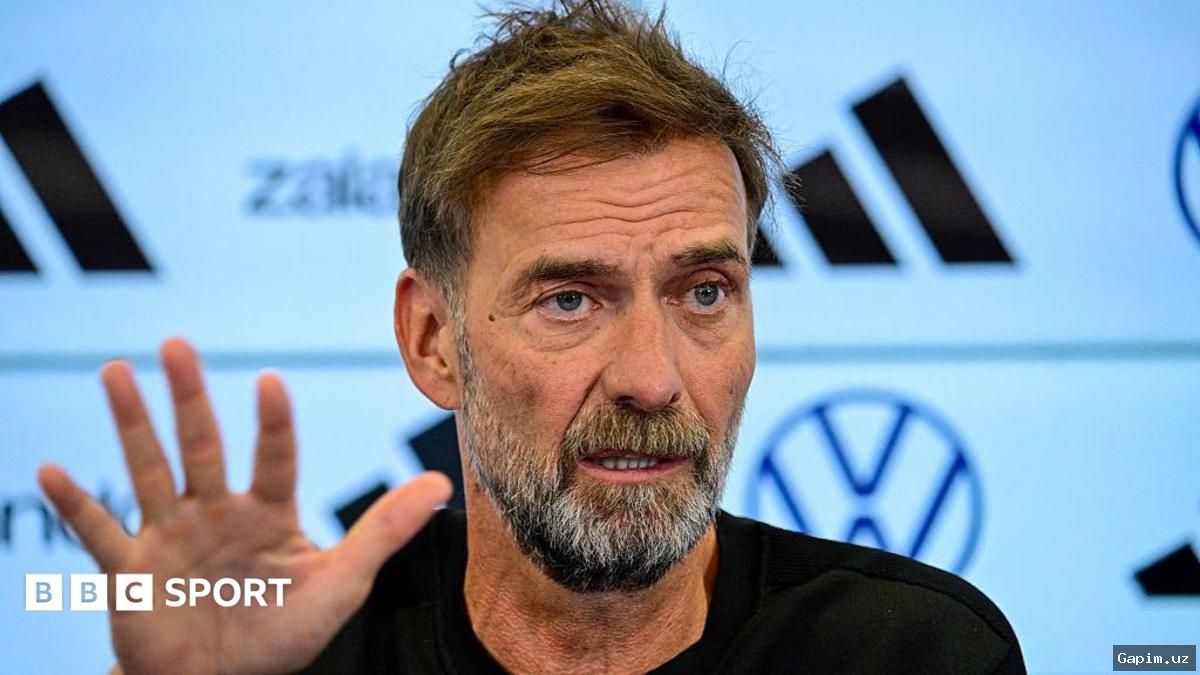
"I'd like to reclaim the flag for myself—or for us," Klopp said. "I want us to always wave it in a way that makes no one think, 'What's wrong with you?' But rather, that people simply get the feeling that you're happy and understand how lucky you are to have been born, raised, or moved to this wonderful country."
This was an apparent reference to the recent state election in Saxony-Anhalt, which the Alternative für Deutschland (AfD) won. Klopp commented on the election, saying "that some people probably thought it was okay, while many others thought: 'Good heavens, what's going on there?'"
The former Borussia Dortmund and Liverpool head coach was quick to clarify that he is not a political expert and does not want to discuss politics at every press conference, but he does not want to "leave national pride to the wrong people." Rather than leaving his remarks open to misinterpretation, Klopp turned to the concept of "positive patriotism." "I can be proud to be German and still be open-minded, diverse, kind, and friendly," he said. "I actually think we're a wonderful country."
The 59-year-old added that just as he selected the current squad by focusing on the country's football talent rather than its shortcomings, it might be beneficial to adopt a similar approach when viewing the country as a whole. This echoed sentiments expressed by former Germany head coach Julian Nagelsmann, who spoke emotionally after Germany's Euro 2024 exit.
Klopp was quick to highlight the power of football while also recognizing its place in wider society. "It's more important that we have doctors. It's more important that we have nurses. It's more important that we have a great, great many people in a wide variety of professions," he said, before adding that football can "foster a sense of community that lets us truly feel the power of sports."
Klopp cited the recent successes of Alexander Zverev, the world champion field hockey team, the home World Cup in women's basketball, and the success of athletes at this summer's European Athletics Championships as further positive examples of the power of sport. "That's our mission. We have to create the right atmosphere—I know that. But to do that, we need people who are willing to embrace it," he said.
Klopp's delivery was a textbook example of how to create alignment across his messaging. His squad, made up of 44 players including 11 new faces, reflects the diverse society he referenced with pride. His engagement with the media was also strategically smart. After setting clear boundaries in his first press conference—including stating he would quit if coverage strayed into the personal—Klopp this time opted to include the media as part of the process while subtly reminding them of their role.
When explaining his choice to name such a large squad with so many new and young players, Klopp said he wasn't going to tell members of the media how to do their job when it comes to assessing players but said that he knew how he would do it. Between the lines, this was an indirect appeal to the media to choose coverage that would foster the development of this new era of players rather than hinder it by being overly critical or negative.
On top of that, he did all of this while wearing a baseball cap with the words "one of 83 million" written on the front. This is a reference to Germany's approximate population and an expression about how everyone has an opinion on the Germany team and is therefore a "Bundestrainer" (national team coach). It also came across as an attempt to make everyone responsible for the success of this team.
Germany's Euro 2024 campaign briefly instilled some pride in the flag again, as did Germany's women in the Euro 2022 final. The most impactful, however, was the 2006 World Cup in Germany, which provided the biggest positive cultural shift in the general German attitude towards national pride since World War II. Now, through the vehicle of football, Germany's new head coach has declared a desire to restore that pride. Klopp said his whole career had brought him to this moment. After these words, it felt like all the disappointments the Germany team – and fans – have endured over the last few years may just have brought them to the right leader too.
Source: www.dw.com