Spanning over a thousand pages, Thomas Mann’s monumental debut novel offers a sweeping panoramic view of 19th-century society while exposing the gradual collapse of a prominent merchant family. The narrative delves into the lives of unrecognized sons, disillusioned daughters, and the systemic loss of middle-class ideals. Widely regarded as the quintessential German social novel, the book earned Mann the Nobel Prize in Literature in 1929 and remains an international bestseller.
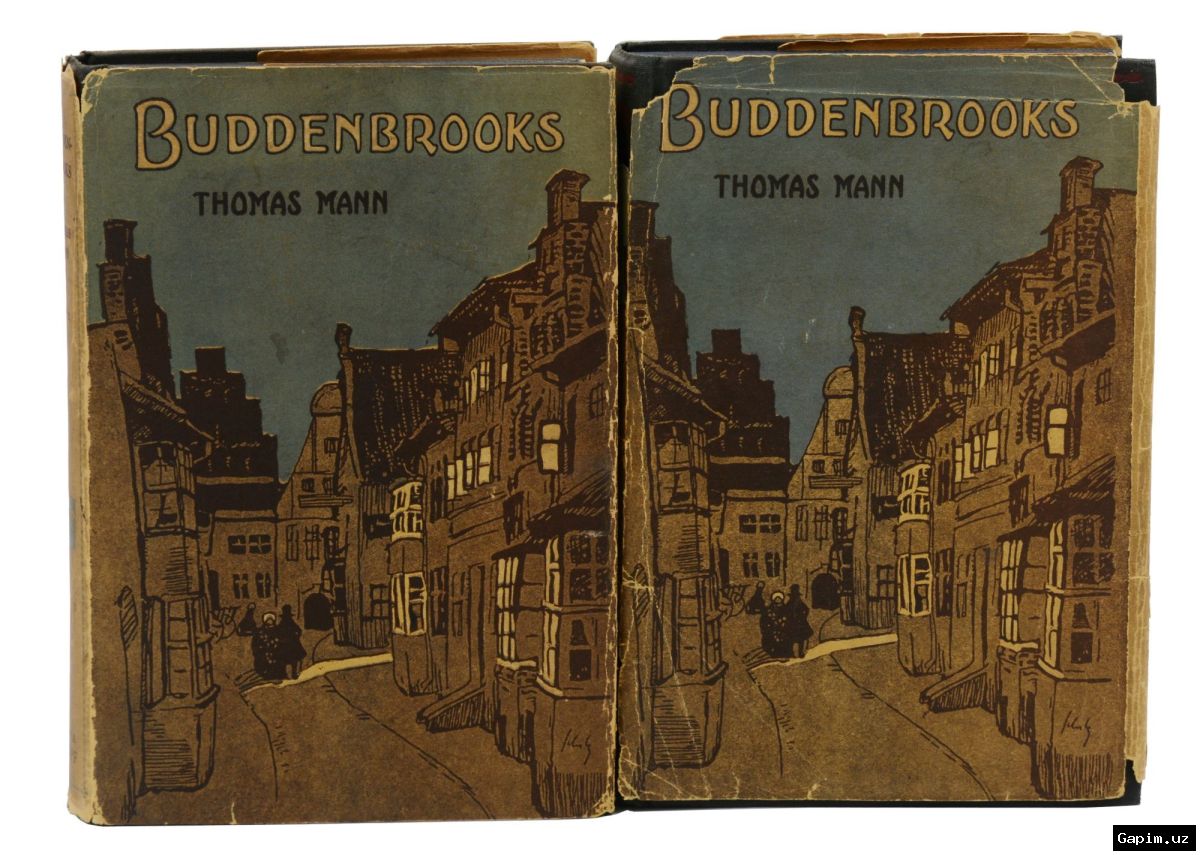
The origins of this literary milestone were surprisingly precarious. Written by an ambitious 26-year-old author without a high school diploma, the heavy manuscript initially received a lukewarm response from publishers. The novel was reportedly published more out of goodwill than genuine conviction in its commercial viability. Yet, it ultimately revolutionized German literature, embedding itself deeply into the cultural consciousness and becoming mandatory reading for students across the country.
Strong autobiographical threads run through the fabric of the work, reflecting Mann's upbringing in a privileged Lübeck merchant family. His artistic aspirations frequently clashed with the conservative bourgeois mainstream, and his perceived inability to sustain the family business following his father's death drew considerable local derision. However, the author deliberately fractured and reshaped these biographical realities, imposing a distinct literary vision upon the text rather than simply mirroring his hometown, which famously felt insulted by the 1901 publication.
Beneath the veneer of heavy silver plates, elaborate dinners, and traditional commerce, the Buddenbrook family is depicted as hurtling toward inevitable financial and interpersonal ruin. Heavily influenced by Schopenhauer's pessimistic philosophy regarding the blind force of the human will, Mann constructs a narrative where economics and money dictate human fate rather than morality or emotion. Through repetitive stylistic motifs and linguistic precision, the novel stands as a profound critique of an elite class's inability to adapt to the demands of modernization.
Source: www.dw.com