The cultural and literary history of the region continues to reflect upon the profound contributions of Maqsud Masyum oglu Shayxzoda, a prominent poet, playwright, and scholar. Born on October 25 (November 7 in the new calendar) 1908, in the city of Agdash, Azerbaijan, Shayxzoda completed his secondary education and graduated from a pedagogical college in Baku. He began his career as an educator in 1925, teaching at schools and technical institutes in Dagestan, before his life took a sharp and difficult turn.
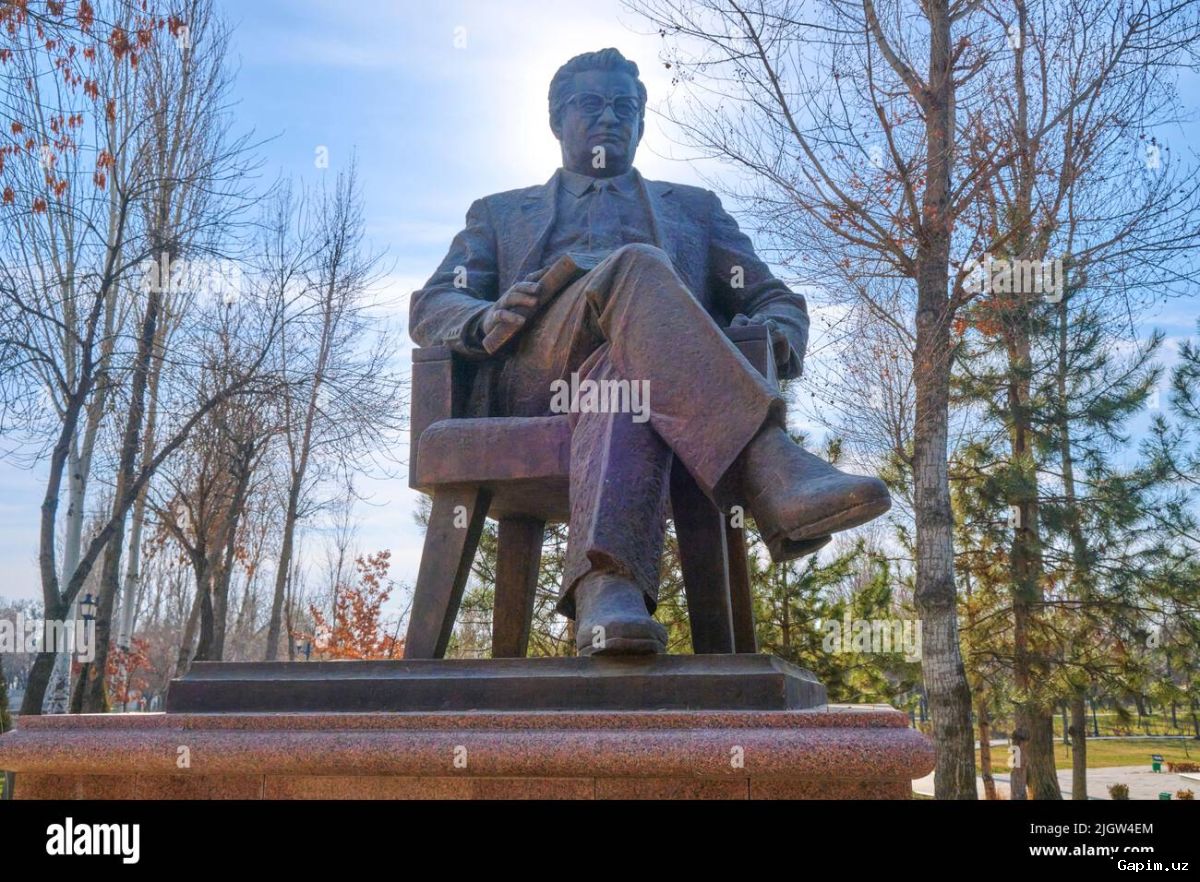
In 1928, Shayxzoda was reportedly arrested and exiled to Tashkent amid political crackdowns of the era. While continuing his education at the Central Asian State University (now the National University of Uzbekistan), he actively worked with various local publications, including the newspapers 'Sharq Haqiqati', 'Kizil Uzbekistan', and the magazine 'Gulistan'. He later engaged in research at the Institute of Language and Literature and taught at the Tashkent State Pedagogical Institute named after Nizami, shaping the minds of a new generation.
Shayxzoda’s literary output expanded significantly during the 1930s, following the publication of his early poems in the late 1920s. His debut poetry collection, 'Loyiq Soqchi', was published in 1933, followed by 'Undoshlarim' and 'Uchinchi Kitob'. Over the subsequent decades, he authored numerous works such as 'Jumhuriyat', 'Yangi Devon', 'Kurash Nechun?', and 'Zamon Torlari', cementing his status as a major voice in Uzbek literature.
Beyond poetry, Shayxzoda made substantial strides in dramaturgy and translation. He conducted extensive scholarly research on the works of Alisher Navoi, authored the epic poem 'Tashkentnoma', and wrote historical dramas such as 'Jaloliddin Manguberdi' and 'Mirzo Ulugbek'. In 1964, his scenario served as the basis for the biographical film 'The Star of Ulugbek'. Furthermore, he adeptly translated literary masterpieces by international figures such as William Shakespeare, Shota Rustaveli, and Nazim Hikmet into the Uzbek language.
The later chapters of his life were marred by severe political repression. In 1952, Shayxzoda was allegedly sentenced to 25 years of imprisonment under harsh Soviet penal policies. He was eventually released in 1955 following the death of Joseph Stalin. However, the severe physical toll of his imprisonment led to chronic illness, ultimately resulting in his death in 1967.
Source: www.gazeta.uz