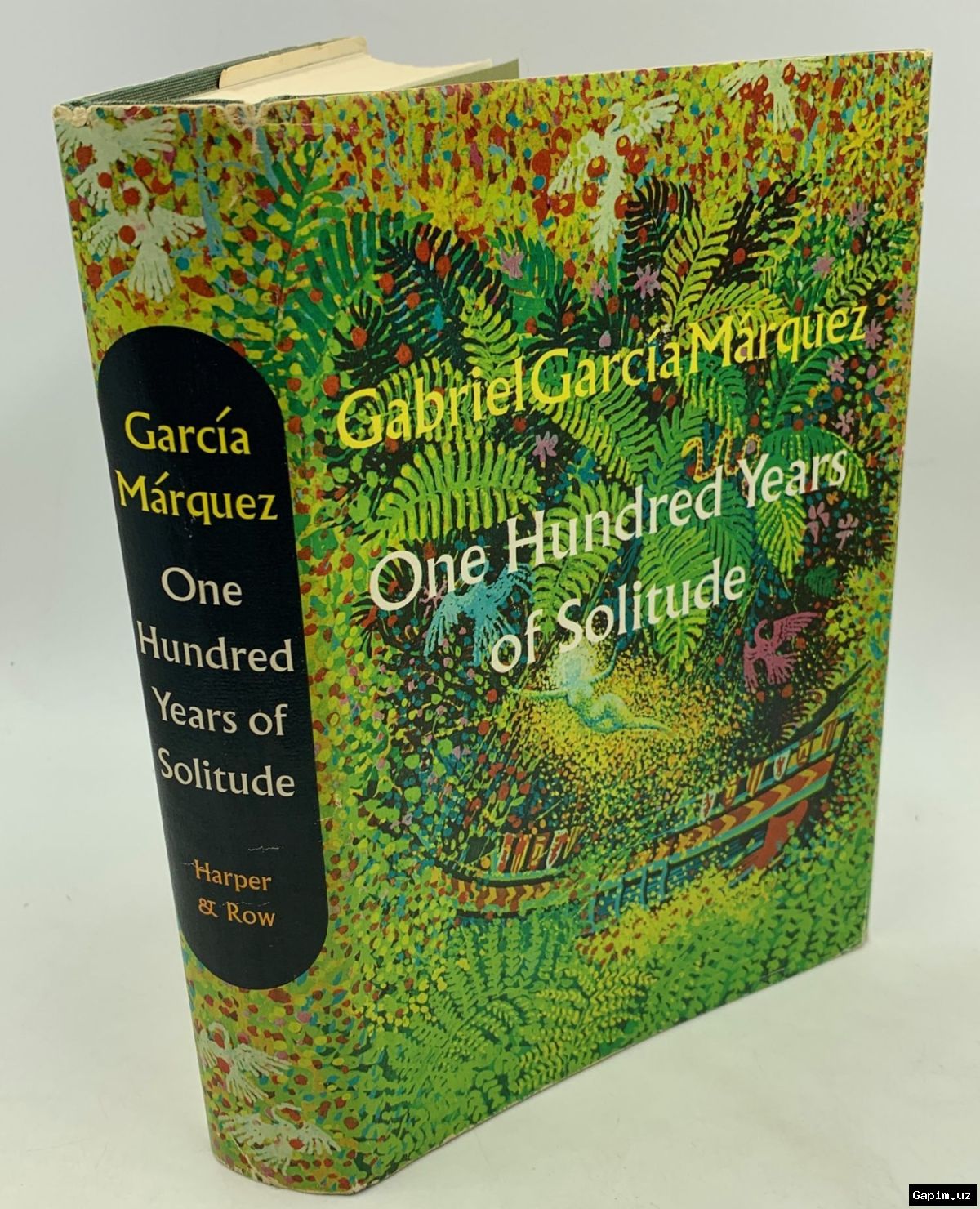
First published in 1967, Gabriel García Márquez's magnum opus, "One Hundred Years of Solitude," continues to mesmerize readers across the globe. Grounded in the distinct tradition of magical realism, the narrative unfolds in the mythical town of Macondo, where the extraordinary seamlessly blends into everyday reality. The dead walk among the living, characters ascend to the heavens, and relentless rains persist for years, all chronicled with a matter-of-fact tranquility that turns mythical occurrences into undeniable truths.
The narrative arc begins with José Arcadio Buendía and his wife, Úrsula, who are perpetually haunted by the fear that consanguinity will curse their lineage with the birth of a child possessing a pig's tail. Initially an isolated, idyllic sanctuary cut off from modern civilization, Macondo gradually evolves. However, the encroachment of modernization brings along ideological friction, commercial interests, and political strife, permanently shattering the village's pastoral innocence.
Across successive generations of the Buendía dynasty, names like José Arcadio and Aureliano recur in a cyclical pattern, bringing with them identical personality flaws, emotional barriers, and self-destructive tendencies. Some family members pursue glory on battlefields, others immerse themselves in arcane scholarship, and some abandon themselves to turbulent romances. Yet, nearly all remain trapped within their own psychological silos, utterly unable to establish genuine human intimacy. The novel powerfully illustrates that profound loneliness is not defined by physical isolation, but by an incapacity for empathy and connection amidst a crowd.
A definitive embodiment of this curse is Colonel Aureliano Buendía, who orchestrates dozens of armed insurgencies, achieves monumental fame, and yet concludes his life completely hollowed out and emotionally estranged from humanity. The societal catastrophe peaks with the arrival of a foreign banana company, bringing ruthless economic exploitation that culminates in the massacre of striking workers. In a chilling demonstration of state-orchestrated amnesia, the atrocities are eradicated from public discourse, forcing the populace to feign that nothing occurred.
Through this sweeping narrative, García Márquez expands beyond a familial chronicle to deliver a blistering critique of societal decay. By exploring how cultural memory is erased and historical trauma is repeated, the novel serves as an enduring philosophical examination of alienation, power, and the cyclical tragedy of human civilization.
Source: kun.uz