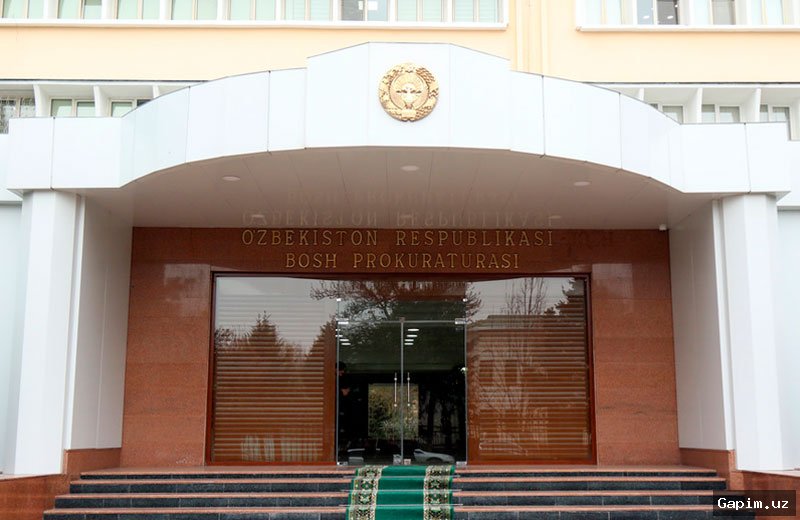
The Tashkent Prosecutor's Office has presented a report on the state of law enforcement in the economic sphere for 2025. According to official data, 737 billion soums in damages were recovered for the state budget and citizens. Priority areas of work included combating shadow turnover in trade, preventing theft of energy resources, and monitoring the targeted use of budgetary funds.
One of the most problematic sectors remains the energy sector. Special task forces, during thousands of raids, uncovered instances of mass resource theft, with damages exceeding 143 billion soums. Notably, alongside classic thefts of gas and electricity, law enforcement agencies are increasingly encountering high-tech crimes. For example, last year, the activities of several illegal mining farms were halted: their organizers managed to inflict 2.4 billion soums in damage on the state before equipment was confiscated as part of criminal cases.
The agency equally rigorously suppressed attempts at illegal enrichment at the expense of urban space and budgetary funds. The prosecutor's office managed to return 25 hectares of illegally seized land to the capital, a result of investigating over a hundred criminal cases.
Simultaneously, a thorough audit of state construction projects allowed the treasury to save an additional 111 billion soums. This refers to the fight against so-called "padding"—the practice of inflating costs and work volumes in official reports. Moreover, blatant defects were uncovered at dozens of sites, forcing contractors to rectify them at their own expense.
A key case of the year was the digital transformation of Tashkent's largest markets, such as "Eski Juva," "Alayskiy," and "Quyliq." The prosecutor's office focused on automation: the implementation of QR codes and electronic rental payment systems completely eliminated the "human factor." Removing direct contact between inspectors and entrepreneurs blocked channels for "black cash" and made financial flows transparent.
Violators were also caught encroaching on Tashkent's historical appearance—five criminal cases were initiated for damaging cultural heritage sites. At the same time, the agency sought to maintain balance: alongside punitive measures, prosecutors halted over 1,700 cases of illegal interference by officials in entrepreneurs' affairs, confirming that the law is equal for all parties in economic relations.
Source: podrobno.uz