Nisholda is a popular sweet that adorns tables during Ramadan for suhoor and iftar, and its preparation process remains an intriguing secret for many. A newspaper correspondent visited the home of nisholda maker Anvarjon Ismoilov in Margilan and discussed the key secrets of this craft with him. Anvarjon learned this art from his father Muhammadjon, a confectioner, who in turn learned from his grandfather Ahmadjon. Today, this tradition binds the family not only through kinship but also through nisholda, as his brothers, children, and grandchildren continue to practice this trade.
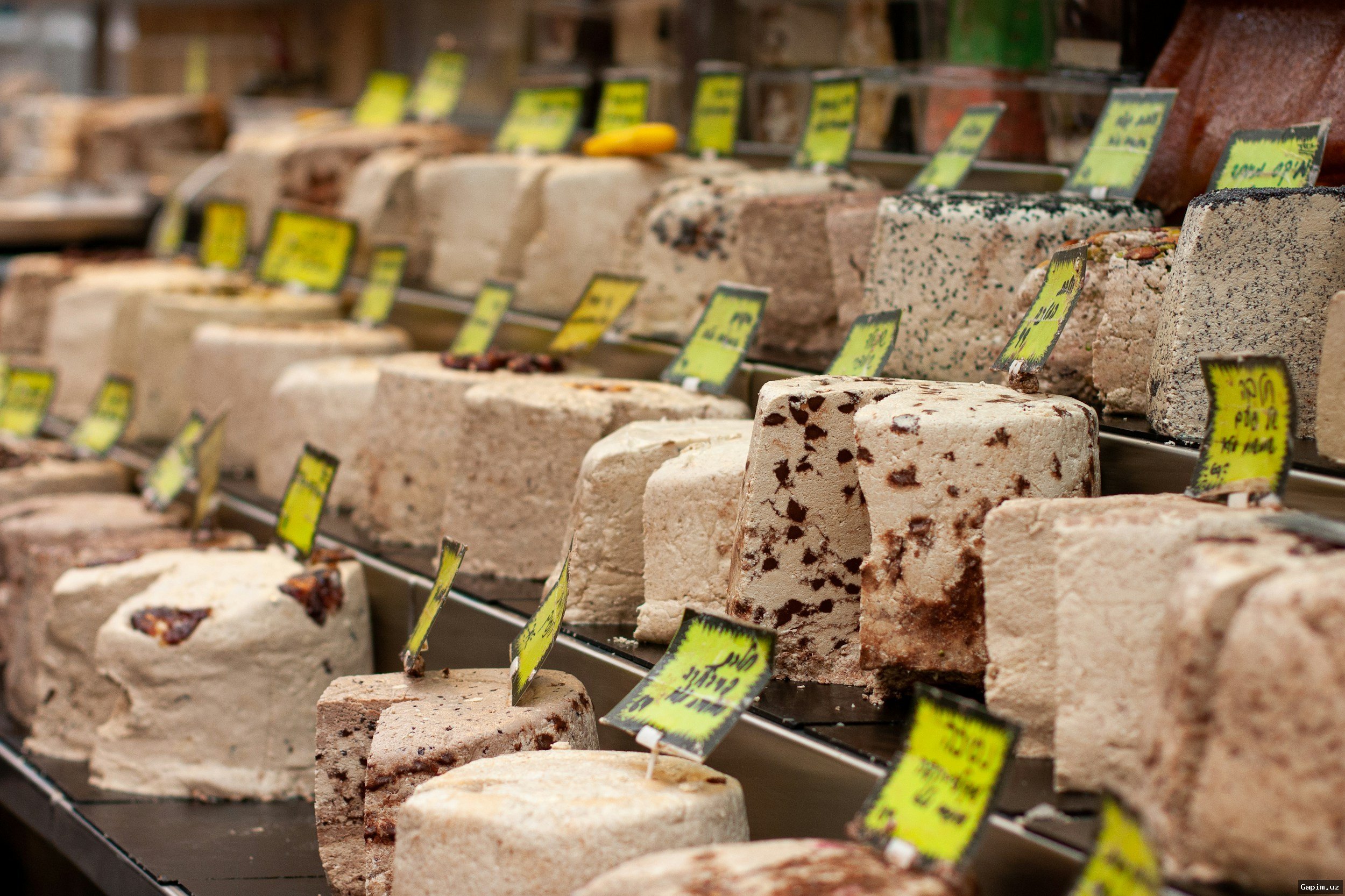
The main ingredients for making nisholda are sugar, egg whites, and bix (a rare tree resin grown in the mountains of Kyrgyzstan). Bix gives nisholda its unique flavor and medicinal properties, and it can be purchased in markets for 40-50 thousand soums. In the preparation process, a syrup is first made: 30 kg of sugar is boiled in a cauldron, while bix is boiled in water. When the bix water changes from yellowish to reddish, it indicates it has reached the proper consistency. It is important to prepare nisholda in a copper cauldron, as this positively affects quality; Anvarjon places a gas cylinder under the cauldron to prevent fluctuations during work.
Two tools are used to mix the liquid mass: a chilchop (made from a quince tree branch) and a long "ladle." The cauldron is first filled with egg whites and bix (strained), then mixed manually with the chilchop until it foams and turns white as snow. Anvarjon cannot explain this stage, as he senses readiness through years of experience. The boiling syrup must be gradually added to the bix and egg mixture, otherwise the hot syrup may spoil the mass.
Many nisholda makers are reluctant to share their secrets, but Anvarjon says, "What will I do by not telling the secret, take it with me? If more people know, there will be more apprentices, that's good, it brings blessing." He prepares nisholda daily during Ramadan, and based on orders, can sometimes cook up to 200 kilograms in a day. In other months, he mainly engages in trade, preparing nisholda on order for weddings, celebrations, and events.
Consuming nisholda in larger quantities is beneficial, especially for the stomach, but he reminds that people with diabetes need doctor's advice. When asked about shelf life, Anvarjon replies, "If stored in a refrigerator, it will last. For example, we ate nisholda prepared by my father for a year, keeping it in a cool place." For this, nisholda must be properly cooked: it is crucial that the bix is boiled to the right degree and the eggs are fresh. If nisholda looks jelly-like, it is not a quality product, because the bix is poorly prepared or the syrup is undercooked.
Anvarjon's nisholda sells mainly in Fergana, Namangan, and Andijan, though he brings it to the Margilan market, and he is delighted that his nisholda has reached even Kyrgyzstan. His household is large, with corresponding expenses, and the average net profit per month is about 10 million soums. This traditional craft serves not only as an economic source but also as significant cultural heritage.
Source: www.gazeta.uz