Tashkent is set to establish a National Dendrological Park spanning 108 hectares, which will become the capital's largest scientific and recreational green space. The project, presented to President Shavkat Mirziyoyev, aims to radically improve the urban microclimate and create a natural laboratory for studying climate change.
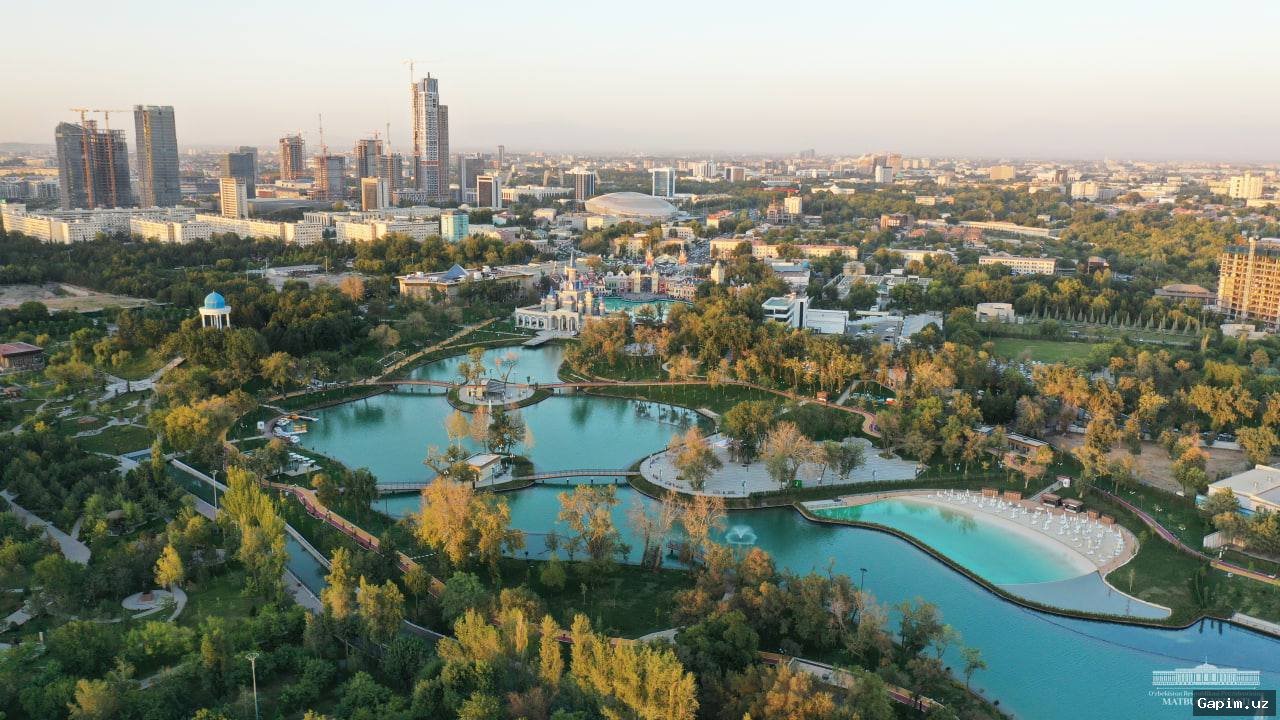
According to the approved concept, the park will feature the planting of 50,000 tree saplings and 100,000 shrubs, expected to reduce air temperature in the area by 2–4 degrees Celsius and increase humidity by 10–15%. The space will be divided into thematic zones, including plants from six climatic zones, fruit and local tree species arrays, a medicinal herb garden, and a greenhouse.
An artificial lake covering 1 hectare will be created in the central part of the dendropark, surrounded by a cherry blossom garden. The infrastructure will be entirely based on "green" technologies, from an automated drip irrigation system to the use of solar panels and small architectural forms made from recycled materials.
In addition to recreational areas with pedestrian and bicycle paths, the park will serve as the primary scientific and practical base for the Central Asian University for Environmental and Climate Change Studies (Green University), providing conditions for breeding work and preserving the region's biological diversity.
This initiative reflects Uzbekistan's efforts to enhance urban sustainability, though it may face implementation challenges such as funding and long-term maintenance of such extensive green zones, highlighting the complexities of large-scale environmental projects in developing urban contexts.
Source: podrobno.uz