Palestinian journalist Muhammad al-Hajji recounts spending his third consecutive Eid al-Adha displaced from his home in Jabalia, in an area designated a “red zone” under Israeli regime control. During the war, livestock farms were largely destroyed, with only a very small number of sheep surviving. Due to the Israeli regime’s blockade, the entry of livestock into the Gaza Strip has been prohibited since October 2023. Consequently, prices have surged roughly tenfold, with a single sheep now costing approximately $6,000, depriving many families of the ability to perform the ritual sacrifice, one of the most important religious traditions.
The blockade’s impact extended beyond livestock, driving up the cost of Eid-related goods such as chocolates and nuts. The price of a kilogram of chocolate reached about $30, nearly four times its pre-war price, significantly dampening the festive atmosphere for many families.
Despite the blockade, destruction, and overwhelming sadness affecting hundreds of thousands of families in Gaza, people continue to cling to life and try to create happiness from the simplest things. On the night before Eid, the journalist stood by the window of his rented house in the Remal area of Gaza, overlooking Kazem ice-cream shop, one of the most famous and oldest in the city. The street was brightly lit, crowded with shoppers, and filled with stalls selling chocolates, fruits, and biscuits. He decided to go downstairs, have ice cream, and share in their joy, having not experienced Eid night celebrations for three years due to the war.
He went down with his mother and sister Zina, bought ice cream, and moved through the crowds. Suddenly, the sound of aircraft grew loud, and rockets hit the very street where he was standing. He saw shoppers running in panic, a mother embracing her child and screaming that the building struck contained her husband and children. The ice cream fell from his hand as he grabbed his phone to check on his brothers. According to sources cited by Al Jazeera, six people were killed and 20 injured in Israeli regime attacks on the Remal neighborhood.
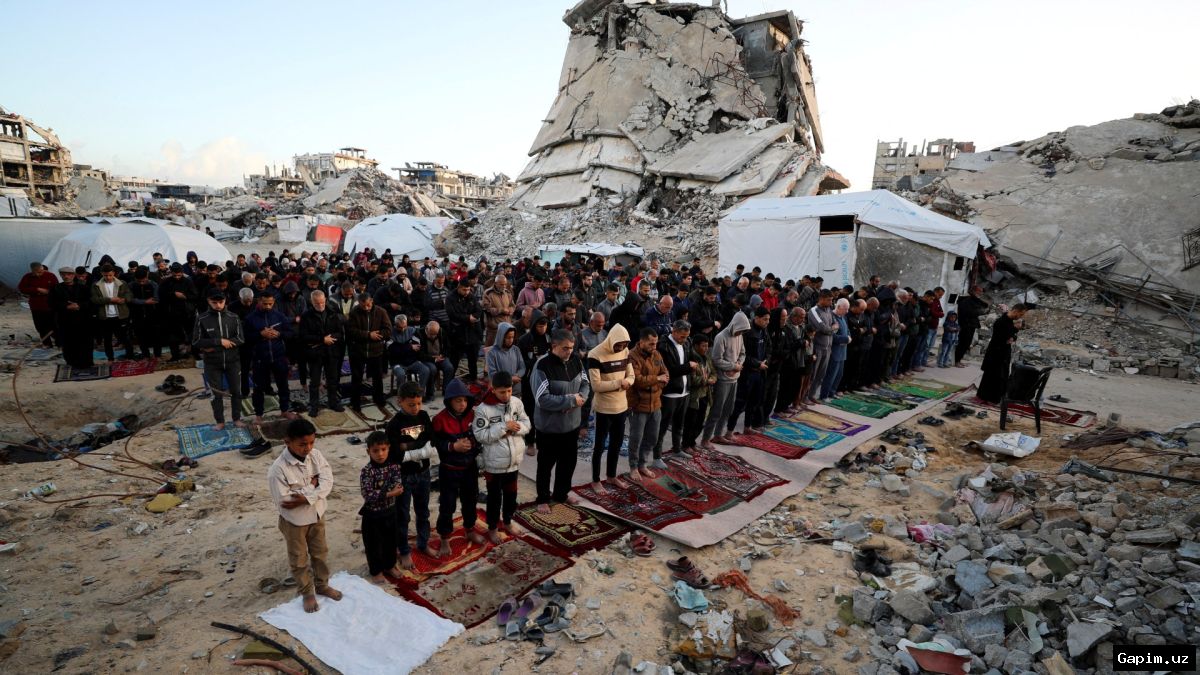
After the attacks, people returned to shopping, with stores and stalls remaining open until 4 am. Many who could not afford to buy anything still came to experience the atmosphere and hold on to fragments of joy. On the morning of Eid, the journalist’s family placed sweets and nuts on the table and greeted each other, eating frozen liver for breakfast to relive childhood memories of sacrificing animals.
At about 1 pm, after the call to prayer, they heard people chanting, “There is no god but Allah, and the martyr is beloved to Allah.” His younger sister asked, “Father, who has been martyred?” He replied that these were the funerals of the previous night’s martyrs from Remal. A source from Middle East Eye reported that on the first day of Eid al-Adha, 15 people were buried after being killed in attacks on Eid night across the Gaza Strip, including commander Mohammed Awda, his wife, and three of their children. The journalist concludes: “We do not celebrate Eid because we are well – we celebrate because we are still alive. And we believe that our celebration itself is a form of resistance.”
Source: www.aljazeera.com