Iran has claimed it used a newly developed air defense system, Arash-e Kamangir, to shoot down a US MQ-9 Reaper drone near the Strait of Hormuz earlier this week. Analysts say the incident demonstrates Tehran's retained capacity to repel US and Israeli attacks despite recent strikes on its military sites.
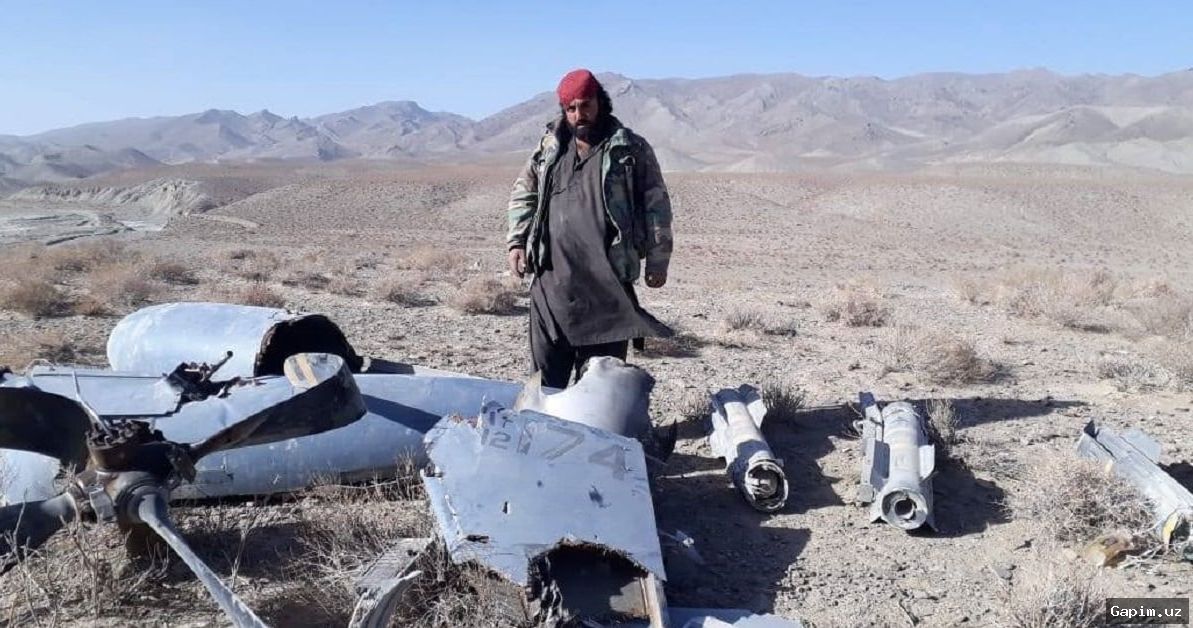
Iranian media reported the drone was downed near Qeshm Island, marking the first combat use of the locally developed system, which is said to have stealth-detection capabilities. No independent verification of the claim has been provided.
The loss of the US drone near one of the world's most sensitive shipping routes coincides with reports of new attacks on an Iranian military site near Bandar Abbas. Iran's Islamic Revolutionary Guard Corps (IRGC) later claimed it attacked an "American airbase" in retaliation.
Experts caution that the Arash-e Kamangir system may not be a revolutionary weapon but rather part of Iran's shift towards mobile, low-cost air defense. Such systems are easier to hide and deploy quickly compared to traditional radar sites.
Mark Hilborne, senior lecturer at King's College London, noted: "Iran has become quite self-sufficient in various forms of missile design and, like Ukraine, has been clever at changing the economics of warfare. Cheap, simple systems can hold much more complex systems at risk."
Iran's defense strategy emphasizes resilience and mobility over technological parity. While its larger air defense network has been degraded, mobile systems allow for a persistent, limited low-level air threat, forcing the US and Israel to rely on expensive standoff weapons.
Source: www.aljazeera.com