Tashkent, Uzbekistan – Podrobno.uz. Nearly 60,000 residents of Uzbekistan were awarded for their labor heroism during World War II, according to Zamira Ishankhodjayeva, Doctor of Historical Sciences and professor at the National University of Uzbekistan named after Mirzo Ulugbek.
During the war years, the republic became a crucial food base for the front. Collective farms sharply increased production: in 1943 alone, 415,600 tons of grain were harvested – one and a half times more than in pre-war 1940. This supplied the front with everything from bread to raw materials.
Under resource mobilization, the Uzbek SSR actively expanded sown areas, growing grains, vegetables, potatoes, beets, and melons. First Secretary of the Communist Party of Uzbekistan Usman Yusupov decided to use every plot of land: melons and watermelons were even planted between cotton rows.
Simultaneously, the republic suffered heavy human losses at the front. Of nearly 2 million mobilized, about 540,000 were killed, 158,000 went missing, and over 50,000 died in concentration camps. More than 60,000 soldiers returned disabled.
Despite this, Uzbekistan became a reliable rear base: equipment, weapons, clothing, and food were sent to the front. The republic also hosted about 1.5 million evacuees, including 250,000 orphaned children.
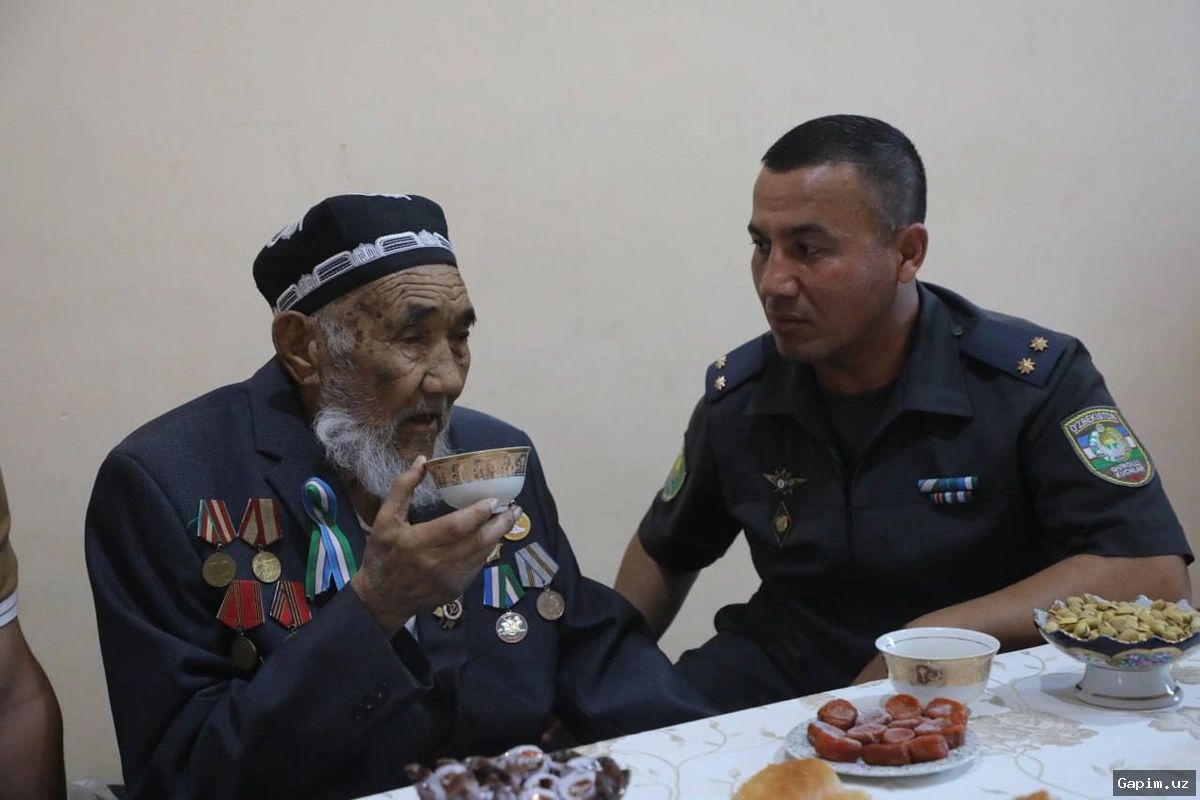
Notably, in 2026, WWII veterans were allocated payments of 30 million soums.
Source: podrobno.uz