Uzbekistan has unveiled ambitious plans to launch its first scientific satellite, 'Mirzo Ulugbek', by 2028, alongside sending its first national cosmonaut on a 10-14 day space mission. The announcement was made by the Uzbek Space Agency (Uzbekcosmos) during a press conference on May 13.
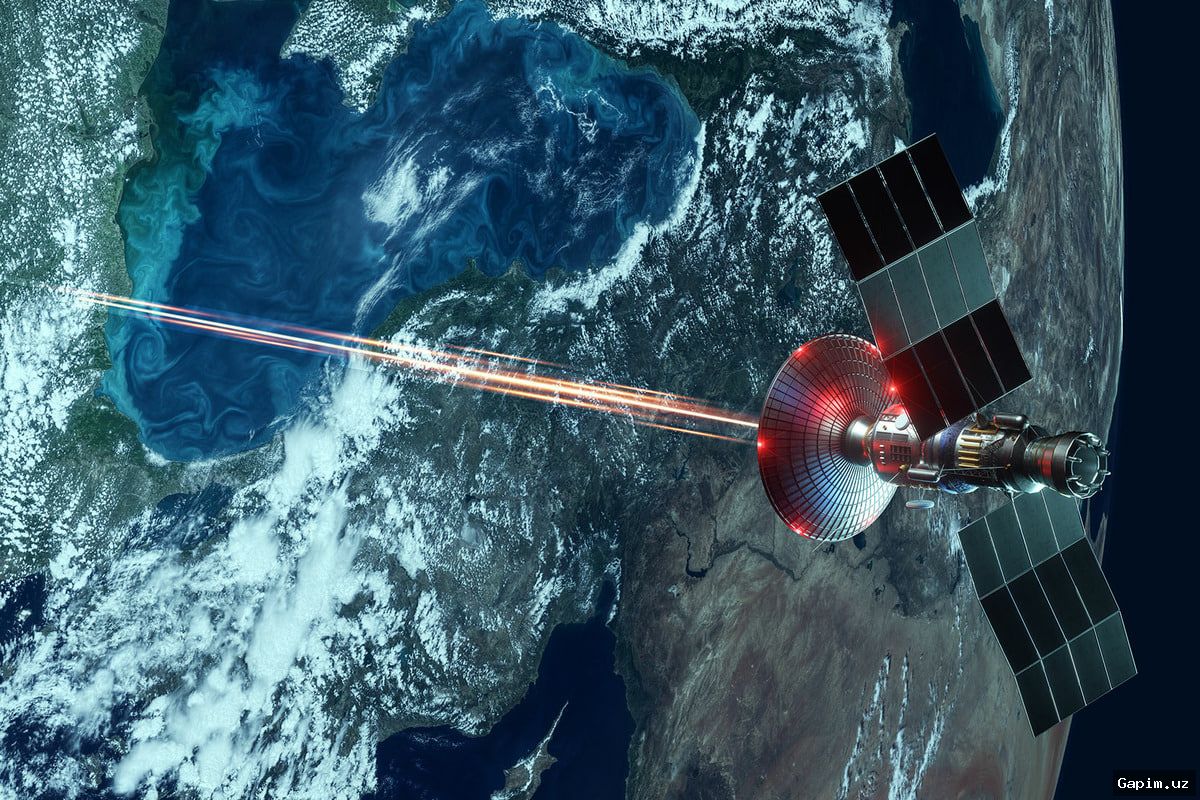
A memorandum between Uzbekcosmos and China's STAR.VISION company outlines the development of a hyperspectral satellite named 'Samarkand-2028'. Designed for remote Earth sensing, the satellite will feature an artificial intelligence module developed by Uzbek specialists. This AI will process images onboard, delivering ready analytics to Earth and saving 24-48 hours.
Deputy Director of Uzbekcosmos, Muhiddin Ibragimov, stated the project is based on a barter system: China provides the satellite's hardware, while Uzbekistan contributes the AI module. He also noted that the launch of another satellite, originally scheduled for May 31, has been postponed to June 20 due to unscheduled naval exercises in Qingdao, China.
The name 'Samarkand-2028' symbolizes the International Astronautical Congress set to take place in Samarkand in 2028. The event is expected to attract representatives from space agencies worldwide. A agency representative called it a 'huge opportunity' as such a high-level event has never been held in the region.
The cosmonaut training program is estimated to cost $50-60 million, while satellite construction could range from $50-100 million depending on specifications. Candidates must be aged 27-40, height 160-190 cm, weight 50-96 kg, hold a higher education degree, and know foreign languages. Gender is not a factor. Selection includes medical, psychological, and physical tests.
The selected cosmonaut will undergo 6-9 months of training in the US, Russia, or China, and will conduct scientific experiments aboard the International Space Station. Ibragimov emphasized that the flight must occur before the Samarkand-2028 congress.
In 2025, the Ministry of Digital Technologies signed an agreement with Japan's Kyushu Institute to train seven Uzbek engineers in a two-year master's program. They will jointly build a 6U CubeSat satellite, named 'Mirzo Ulugbek' by President Shavkat Mirziyoyev, with a launch planned for early 2028.
Uzbekcosmos currently utilizes 180 satellites from Planet Labs. Space imagery is being used to monitor illegal construction, land violations, water usage, and deforestation. The system has detected tree cutting in 682 areas and identified 65,000 hectares of wheat fields at high fire risk.
Former NASA astronaut Andrew Feustel attended the press conference, expressing willingness to share experience. He highlighted the importance of international cooperation in space and stated that AI is unlikely to replace astronauts in the near future.
Source: www.gazeta.uz