Qudratilla Rafiqov, Chairman of the Federation of Trade Unions of Uzbekistan and a senator, has published a comprehensive article on Samarkand and President Shavkat Mirziyoyev's political path, in which he addresses the issue of state symbols.
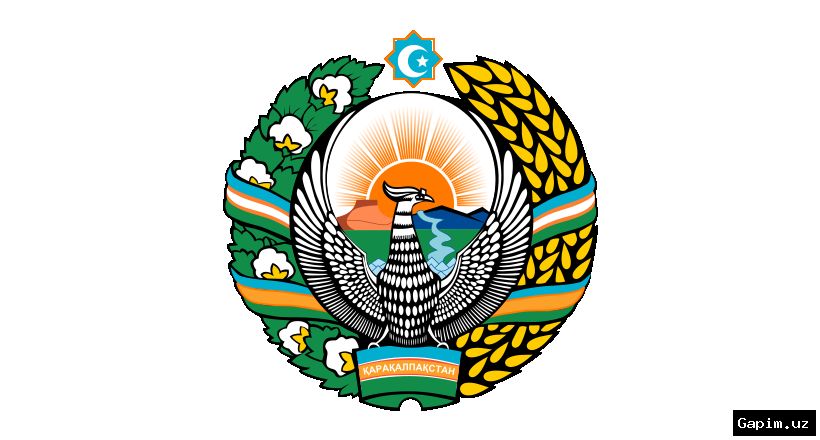
According to Rafiqov, retaining the images of cotton and wheat on the country's coat of arms after independence reflects an ideological link to the former regime. He writes that in the early decades of independence, freedom remained largely "theoretical," and "freedom itself seemed in some sense like 'dependent independence'."
The senator recalls that President Mirziyoyev has repeatedly stated that income from cotton "did not even reach one billion dollars." Rafiqov questions: "Should these agricultural products define our socio-spiritual identity?"
Rafiqov links this to a broader problem of Soviet and post-Soviet thinking. He argues that social rhetoric at the time revolved around fields, harvests, cotton, and grain, narrowing the space for free thought.
The author asserts that cotton, grain, and agriculture long retained the status of a "socio-political cult," as in Soviet times. "If a person is constantly urged to do something, and the press talks from morning to night about shock work, field labor, and an unattainable 'plan,' this damages any free thinking," he adds.
According to Rafiqov, this narrative demonstrates how "the Mirziyoyev era changed our worldview." He notes that discussions about agriculture, once "not only relevant but politically significant," have lost their edge today.
"Quiet updates have taken place in our consciousness, still almost unanalyzed, which openly remind us: after the collapse of the union, we had a fear of the responsibility of freedom," he writes.
"Time has shown that our symbols of independence and self-identification—state symbols—embody the political fears, anxieties, and hesitations of the 1990s," Rafiqov concludes.
Following the article's publication, social media saw posts supporting the idea of updating the coat of arms. At the same time, opinions are emerging that the country has many other pressing issues requiring serious attention.
Source: www.gazeta.uz