Months after center-right President Rodrigo Paz took office in the South American nation, anti-government protests have escalated into riots. The situation in La Paz is growing increasingly tense, with demonstrators detonating small dynamite charges to express discontent.
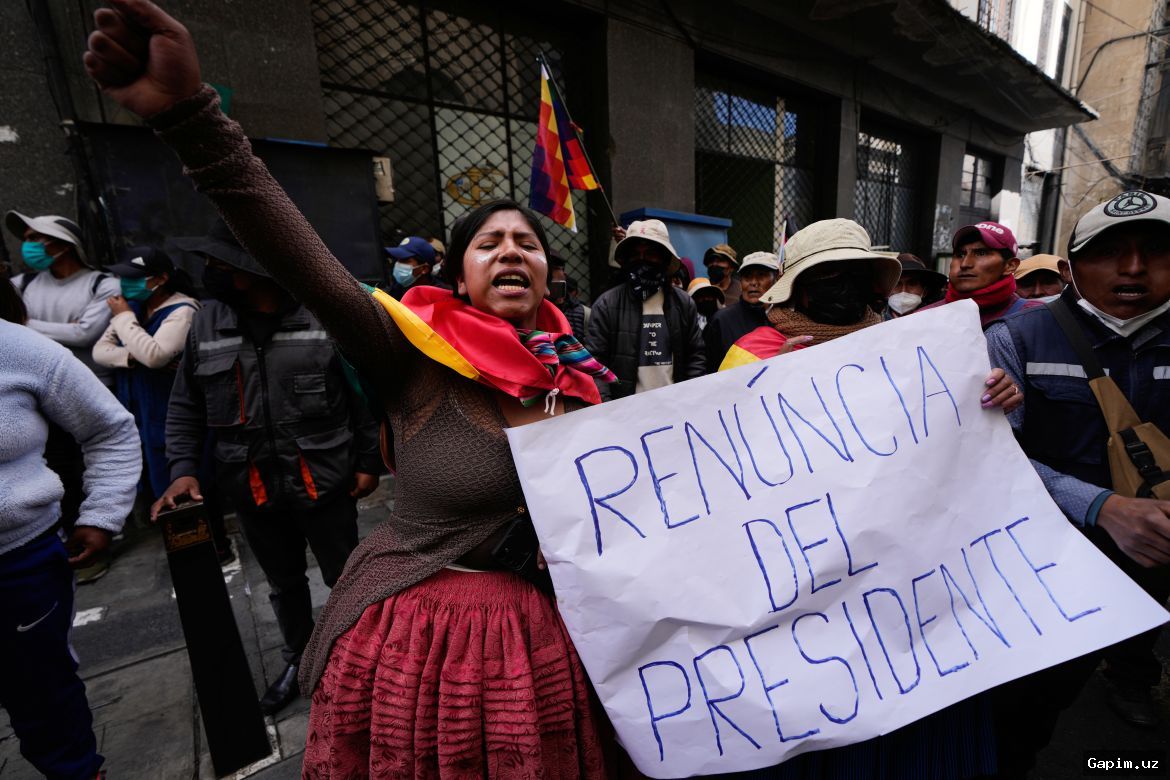
Protesters have stormed public buildings and set up dozens of blockades, leading to fuel and food shortages and causing hospitals to run out of oxygen cylinders. Banks have closed as a precaution. Economists warn that the protests are plunging Bolivia deeper into crisis.
The US State Department has called the ongoing protests an "attempted coup." Bolivia's economy has been struggling due to a weak export sector, leaving the state short of foreign currency needed for fuel imports.
After nearly 20 years of socialist governance, Bolivians voted for change in 2025. In the October runoff, center-right lawmaker Rodrigo Paz won the presidency, promising economic reforms and market freedoms.
Paz abolished petrol subsidies, causing fuel prices to almost double. While considered reasonable for budget consolidation, the measure proved painful for ordinary Bolivians and accelerated inflation.
Trade unions have called for wage increases and the reinstatement of petrol subsidies. A heterogeneous alliance of farmers, miners, teachers, and indigenous groups has coalesced around these demands.
Paz announced a cabinet reshuffle and said the government would listen more to people's demands, but made it clear he would not negotiate with "vandals." The US backs the Paz government, condemning attempts to destabilize it.
In the long term, Bolivia needs to resolve its fundamental economic problems. Paz is considering a $200 million World Bank loan to offset the harshest consequences of inflation.
Source: www.dw.com