Chairman of the Central Bank of Uzbekistan Timur Ishmetov stated at a plenary session of the Senate of the Oliy Majlis on June 13 that the regulator does not see any acute risks that could prevent inflation from falling to the target of 5% by 2027.
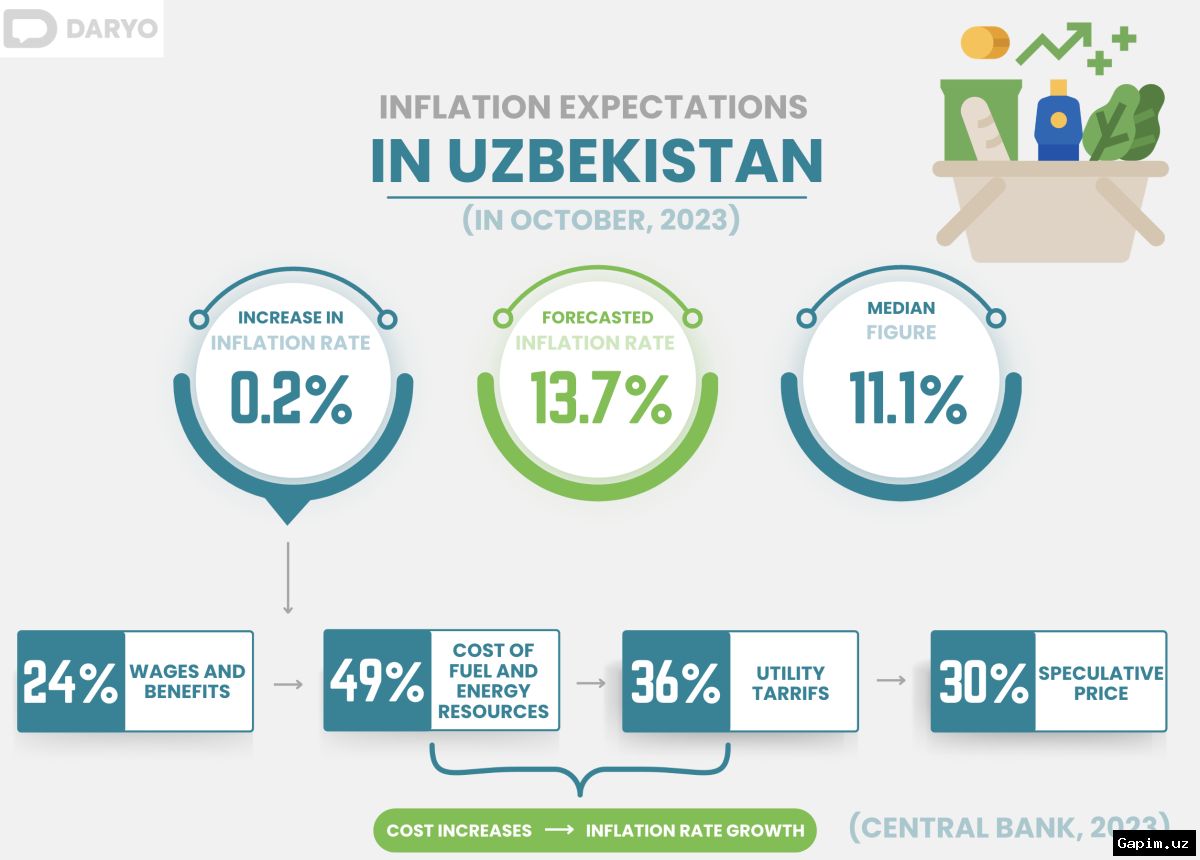
Senator Ikromkhon Najmiddinov noted that the Central Bank has been announcing the goal of reducing inflation to 5% for several years, but at the end of 2025 it still remains above the target. He emphasized that the inflation rate is an important factor directly affecting the well-being of citizens and the value of loans and savings.
The senator recalled that the Central Bank's report forecasts achieving the target inflation rate in 2027, and asked how confident the regulator is in this timeline, and whether there are risks and factors that could necessitate a revision of the forecasts.
Timur Ishmetov admitted that in recent years the deadline for achieving the target inflation rate has been postponed several times. He explained that inflation is influenced by monetary, non-monetary, domestic and external factors, and forecasts take all these factors into account, but changes in them during the year can affect the forecasts.
The head of the regulator noted that the gradual liberalization of energy tariffs and the extended implementation periods may have also affected inflation forecasts. Among the main domestic factors influencing inflation, he cited the persistence of aggregate demand exceeding the economy's production potential and the excess of fiscal expenditures over planned levels.
According to Ishmetov, as of the end of May, annual inflation fell to 5.5% (due to the high base of the previous year: in May 2025, prices rose by an average of 8.7%). Therefore, the regulator does not see serious risks for achieving the target next year.
At the same time, a number of domestic and external risks remain. Among domestic factors, the likelihood of aggregate demand remaining above the economy's production potential was noted. If the government exceeds planned expenditures, the amount of money in the economy increases, putting pressure on prices.
External risks include geopolitical tensions, rising import prices, especially for fuel and food, as well as logistics costs. Ishmetov stressed that all these factors are taken into account in current forecasts, but changes in them could lead to adjustments in forecasts.
The head of the Central Bank stated that the regulator's main focus is to keep inflation at 5% in the medium term. This means stable prices, clear and predictable economic conditions for businesses, and maintaining the purchasing power of household incomes.
It is worth recalling that the Central Bank switched to inflation targeting in 2020, setting a goal of reaching 5% by 2023. Subsequently, the deadline was postponed several times: to the end of 2024, to the second half of 2025, to the second half of 2026, and finally to the end of 2027. The Central Bank expects to achieve 5% inflation by the end of 2027.
Monetary factors are instruments under the control of the Central Bank: the key rate, open market operations, reserve requirements. Non-monetary factors are structural conditions and market distortions not directly controlled by the Central Bank: monopolization, low competition, subsidies, import restrictions. As Timur Ishmetov noted, the success of the entire policy largely depends on the effectiveness of these reforms.
Source: www.gazeta.uz