A conflict is escalating in Uzbekistan over stray cats: current legislation is effectively jeopardizing the 'Mushukkent' project, and volunteers have already begun to be fined for caring for animals. A correspondent from Podrobno.uz spoke with Iroda Matkarimova, founder of the NGO 'Hayot', to find out why a single legal provision has caused such resonance and what changes animal rights activists are proposing.
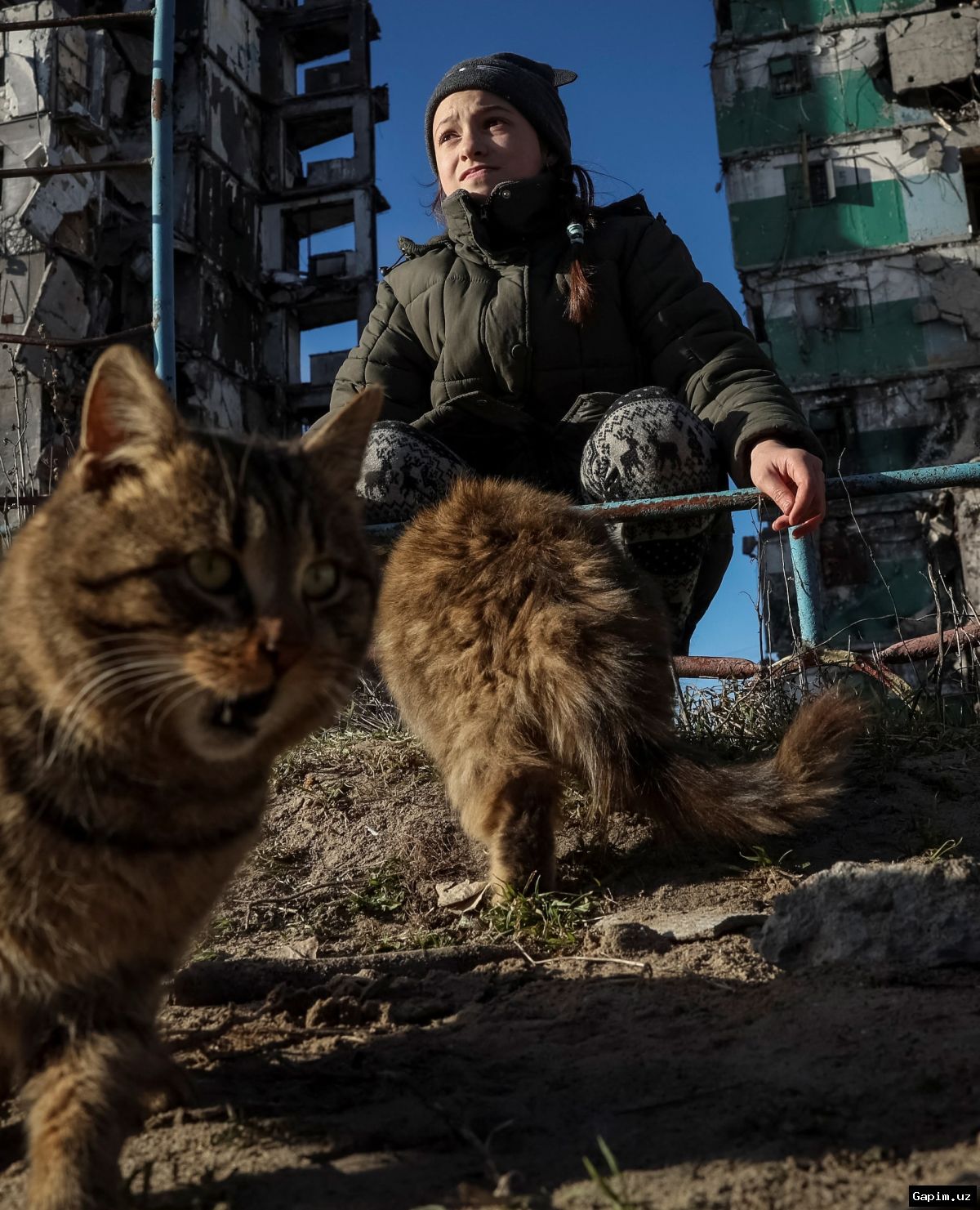
The problem is related to provision No. 202 of the Rules for the Use of Residential Premises, which prohibits keeping animals in common areas of apartment buildings.
According to Iroda Matkarimova, founder and head of the NGO 'Hayot', the provision applies not only to dogs and farm animals but also to cats. This is what threatens the 'Mushukkent' project, which has been humanely regulating the population of stray cats through a sterilization program since 2019. In addition, volunteers install special houses across the country and organize permanent feeding stations for animals. They say this helps reduce conflicts among residents and ensures control over the cats' condition.
Activists call the situation contradictory. They recall that previously city authorities urged residents to help stray animals and at least leave water for them, whereas now similar actions could become grounds for a fine.
The NGO 'Hayot' believes the problem can be solved by drawing on international practice. According to the organization, stray cats should be considered part of the urban ecosystem. 'Cats perform an important sanitary function by controlling the number of rodents and preventing their mass spread,' animal rights advocates note.
At the same time, they criticize existing methods of dealing with stray animals. According to activists, cases of using poison still occur in Tashkent, posing a danger not only to animals but also to people, especially children.
As an alternative, animal rights activists propose a systematic approach. Key measures include: recognizing cats as 'conditional ownership animals' under the control of the state and volunteers; introducing mandatory sterilization, vaccination, and chipping; eliminating the practice of poisoning and other dangerous methods; raising public awareness about the role of cats in the urban ecosystem; creating a system of registration and veterinary control jointly with government agencies. This model has already been successfully applied in a number of countries and allows not only for humane regulation of animal numbers but also for reducing risks to the urban environment.
Activists emphasize: this is not about uncontrolled reproduction, but about a regulated system where responsible people are assigned to the animals, sanitary standards are observed, and records are kept.
Currently, the situation remains tense. The cat houses have not yet been dismantled, but pressure on volunteers is increasing. 'It is important for us not to lose what has already been created. Without changes, we risk sliding back and nullifying all achievements,' says Iroda.
Recall that recently in the Mirabad district of Tashkent, a man who cruelly treated a cat was brought to administrative responsibility. The incident caused public outcry and prompted law enforcement intervention.
Source: podrobno.uz