TASHKENT – The Legislative Chamber of Uzbekistan’s Oliy Majlis has passed a bill in three readings to modify four characters of the Uzbek Latin alphabet and sent it to the Senate. During the plenary session, deputies debated the necessity of the reform, its cost, and technical issues related to the use of existing symbols in the digital environment.
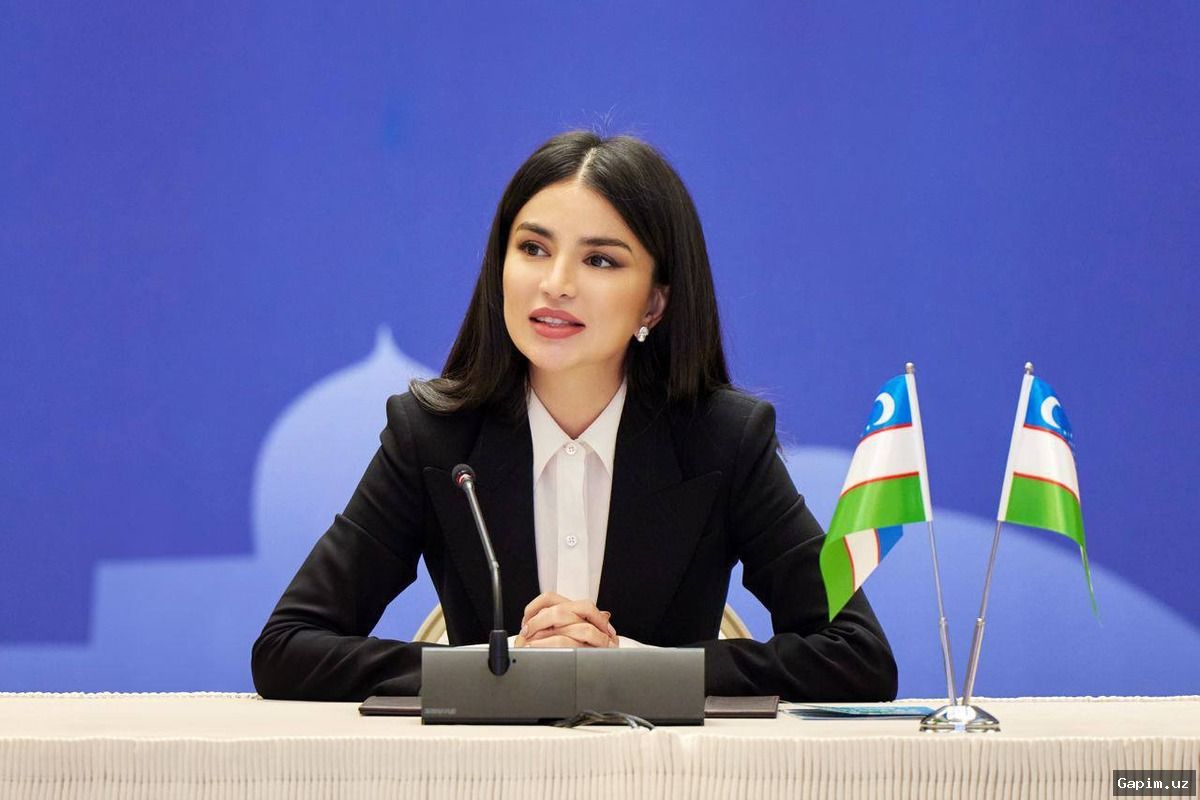
The amendment project, developed based on expert seminars, was presented by Vice President of the Academy of Sciences Bahrom Abdukhalimov. The reform proposes adjusting the characters o‘, g‘, ch and sh, replacing them with ö, ğ, ç and ş to implement the “one sound – one letter” principle.
Deputy Saydullo Azimov voiced the main objections during the session. He recalled that the digraphs ch and sh appeared in the alphabet after changes in 1995 and expressed doubt that technical problems had not been identified earlier.
The deputy asked why it took 31 years to correct a mistake made back in 1995. He also suggested that the problem of typing apostrophes could be solved programmatically by assigning the required symbol to a single key and demanded precise economic calculations for the costs of reprinting textbooks and re-equipping government agencies.
During the discussion, Speaker of the Legislative Chamber Nuriddin Ismoilov interrupted the deputy’s series of questions with the remark: “How many questions do you actually want to ask?” reminding that the bill had been discussed in detail in factions a month earlier. Leader of the UzLiDeP party Aktham Khaitov confirmed that the faction had received clarifications but emphasized the deputy’s right to ask questions again.
The developers’ position on Azimov’s questions was presented by Nodirjon Kholbutaev, head of the Department for the Development of the State Language at the Cabinet of Ministers. He explained that programmatically assigning the characters o‘ and g‘ to separate keys is technically possible, but this does not solve the main problem: due to the lack of their own codes in the Unicode standard, digital platforms continue to recognize these letters as combinations of two independent symbols. This hinders the correct operation of electronic payments, online translators, and digital dictionaries.
Regarding funding, Speaker Ismoilov stated that a special article on phased implementation was added to the bill before the second reading. That is, textbooks, government forms, banknotes, and diplomas will not need to be replaced prematurely; they will be used in the established order. The speaker acknowledged that this mechanism was not prescribed in the original version of the document and that the deputy rightly drew attention to it.
Alisher Kadyrov, leader of the Milliy Tiklanish party, spoke in favor of the bill’s prompt adoption. He emphasized that the country had “suffered long enough” with this issue, adding that the change process itself would be gradual and without unnecessary expenses.
According to the voting results, the Legislative Chamber approved the bill: no deputy voted against, and two abstained.
Source: podrobno.uz