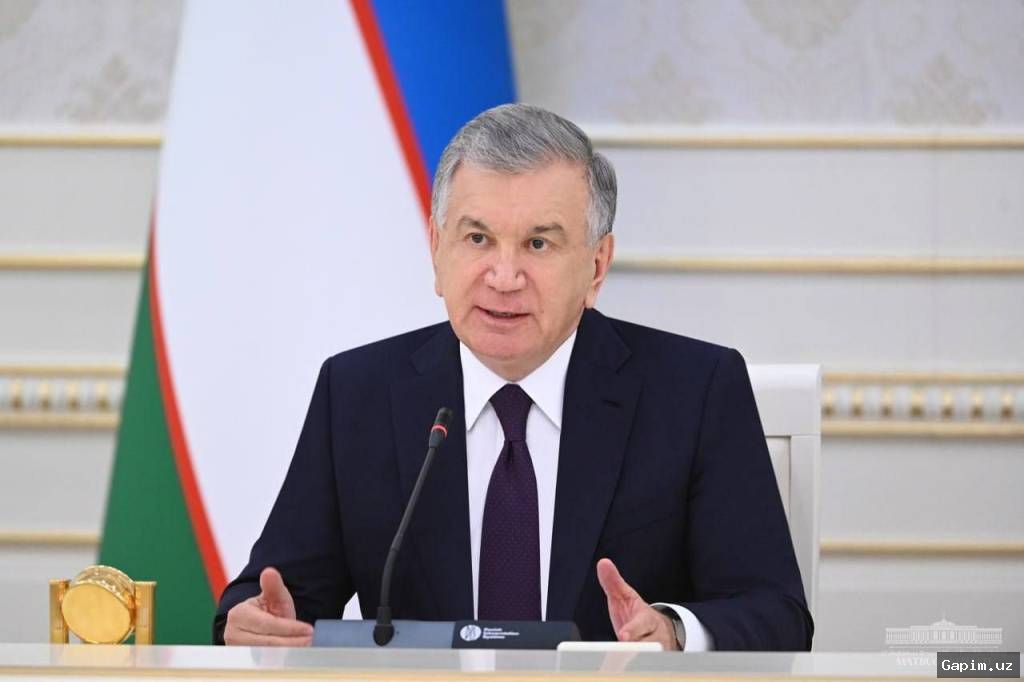
President Shavkat Mirziyoyev on July 16 held a videoconference on the activities of the 'mahalla seven' system, stating that local leaders lack responsibility and initiative in solving community problems.
The head of state noted that in 2026, districts received an average of 250 billion soums and mahallas 5.5 billion soums, but these funds are not being used effectively.
Due to expanded powers of district governors and mahalla chairpersons, additional revenues retained locally doubled. Districts retained an average of 22 billion soums, while mahalla budgets received 150-200 million soums.
Analysis shows that in some mahallas, problems are not addressed in a timely manner. This year alone, over 200 appeals were received from each of 87 mahallas through People's Reception offices.
According to the president, this is because mahalla chairpersons do not develop master plans, do not turn vacant land and buildings into economic assets, and fail to raise specific issues with higher authorities.
Under the 'Initiative Budget' program, 7.5 trillion soums were allocated for 2026, but in 2,136 mahallas no project won. Mirziyoyev emphasized that solidarity and initiative in mahallas should be measured by practical results.
Over the past six months, banks allocated 18.5 trillion soums for small projects, implementing 110,000 micro-projects and providing jobs for 259,000 people. However, in 47 mahallas only 2 micro-projects each were launched.
At a meeting on June 22, Mirziyoyev announced additional permanent revenue sources for mahallas totaling 300 billion soums. Now, part of fines for violating sanitary norms and illegal construction, as well as part of taxes, will be directed to their budgets. These funds will be used for road repairs, children's and sports grounds, parks, and employment support.
Source: www.gazeta.uz