TASHKENT, Uzbekistan – Podrobno.uz. Archaeologists in Uzbekistan have discovered the earliest evidence of domesticated silkworm breeding. The findings suggest that silk production in the region may have begun four thousand years ago — about two thousand years before the emergence of the Great Silk Road.
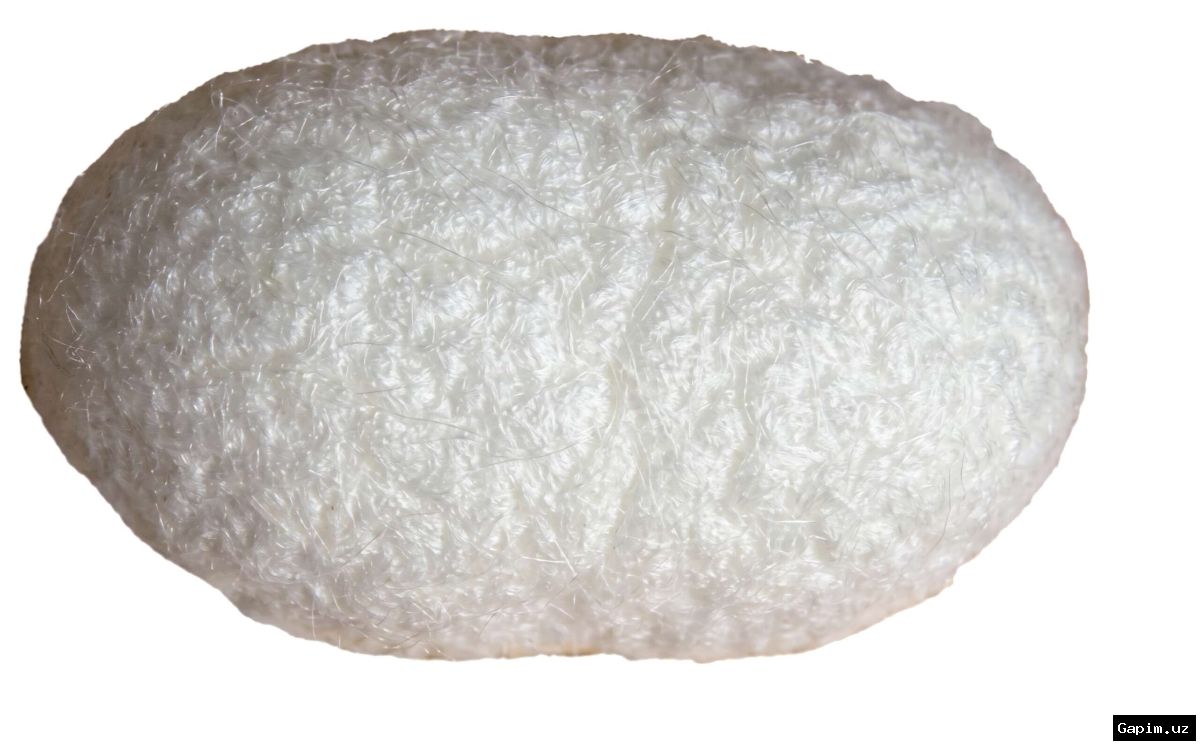
The results of the study were published in the scientific journal Science Advances. An international team of scientists from Uzbekistan and China made the discovery during excavations at the ancient settlement of Sapalli in southern Uzbekistan. Researchers found three silkworm cocoons, fragments of silk fabric, and remains of white mulberry, dating back approximately 3,700–3,900 years.
Radiocarbon analysis and protein composition studies confirmed that the cocoons belong to domesticated silkworms. This proves that local inhabitants possessed sericulture skills as early as the Bronze Age.
The researchers note that previously it was believed that silk production originated exclusively in China and spread to other regions only with the emergence of the Silk Road about two thousand years ago. However, the new data indicate that such technologies existed in the Amu Darya basin much earlier. Furthermore, the evidence points to earlier contacts and knowledge exchange between Central and East Asia than previously assumed, long before the formation of the trade route.
The Sapalli settlement was first discovered by Soviet archaeologists in the late 1960s. In recent years, Uzbek and Chinese specialists have resumed research at the site, uncovering a number of previously unknown artifacts that have allowed a reassessment of the development of crafts in the region.
Earlier, President Shavkat Mirziyoyev approved a large-scale project to build the Silk Road Museum in Samarkand. The new facility will cover an area of 9 hectares and will become not just an exhibition space but a full-fledged educational cluster. It is planned to house over 6,000 unique exhibits, including rare archaeological finds and works of applied art. A children's academy and a research center will also be opened at the museum.
Source: podrobno.uz