Uzbekistan and India are close to signing a new long-term agreement on uranium supplies, according to Sibi George, Secretary for the West in India's Ministry of External Affairs, following talks between Indian Prime Minister Narendra Modi and Uzbek President Shavkat Mirziyoyev in Tashkent.
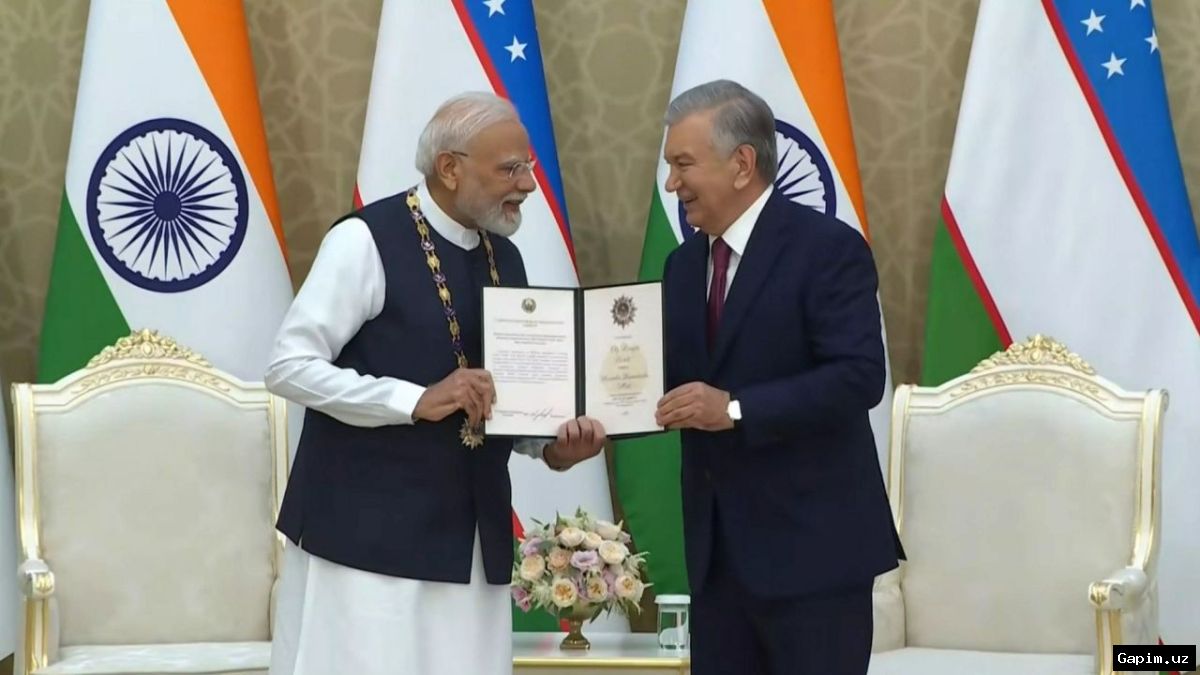
"Positive negotiations have been held on a long-term agreement to supply uranium to India. We are very close to signing the deal in the near future," George stated.
During his state visit to Uzbekistan, Modi positively assessed progress in implementing the existing long-term agreement and stressed the need to continue cooperation in critical minerals. A joint statement issued after the visit said both sides agreed to explore cooperation in geology, mining, nuclear energy, and critical and strategic minerals.
This includes joint projects in geological exploration, extraction and processing of mineral raw materials, production of high value-added products, and development of supply chains. The parties also expressed interest in involving Indian companies in developing promising deposits in Uzbekistan and expanding cooperation in peaceful uses of nuclear energy.
According to World Nuclear News, India's installed nuclear capacity is about 7.9 GWe, with 24 reactors in operation. India plans to significantly boost nuclear generation, aiming for 100 GWe by 2047.
To ensure uninterrupted operation of its nuclear plants, India relies heavily on imported uranium, currently purchasing from Kazakhstan, Russia, Uzbekistan, and Canada. The existing contract for Uzbek uranium runs until 2026.
In recent months, India has also secured agreements for uranium from Australia and signed a long-term deal with Canada's Cameco. According to the World Nuclear Association, Uzbekistan produced about 4,000 tonnes of uranium in 2024, rising to 7,000 tonnes in 2025, with reserves estimated at 139,000 tonnes.
Source: www.gazeta.uz