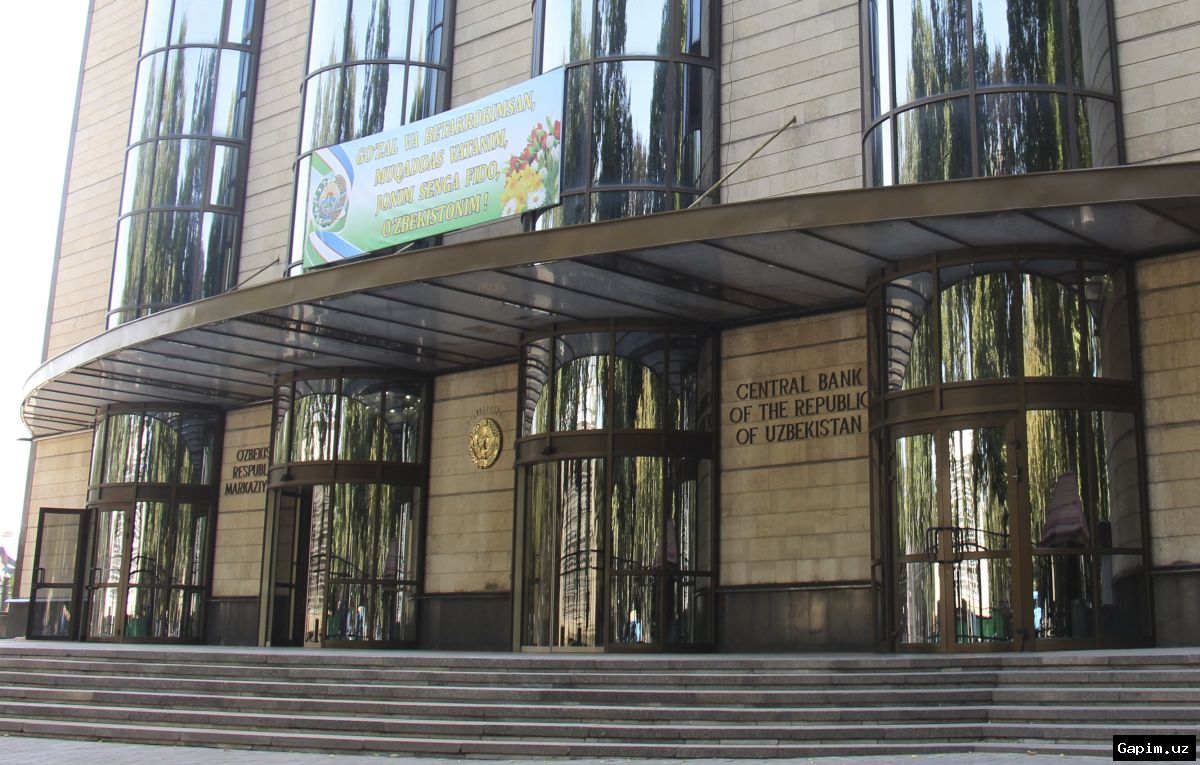
The Central Bank of Uzbekistan has decided to keep its key policy rate unchanged at 14% per annum. The regulator deems it necessary to maintain current tight monetary conditions, despite the ongoing downward trend in inflation and some signs of stabilization in the economy, as inflationary risks remain.
In August, headline inflation slowed to 6.2%, continuing its downward trend. Core inflation stood at 5.5%. At the same time, the increasing share of goods and services with annual price growth above 5% indicates that stable price pressures still persist in the economy. Inflation expectations of the population and businesses also continued to decline. However, their rate of decline was lower than the overall slowdown in inflation. This suggests that inflationary inertia continues to influence pricing processes to a certain extent.
Positive trends in retail trade, the services sector, and investment dynamics indicate active consumer and investment demand. At the same time, in recent months, signs of stabilization have begun to appear in some components of aggregate demand. In particular, under the influence of current monetary conditions, the growth rates of lending to the economy are gradually becoming more moderate. At the same time, positive real interest rates support the population's propensity to save.
The persistence of high prices in global commodity, food, and energy markets may put pressure on domestic inflation in the medium term through import prices, transport, and logistics costs. The scale of secondary effects of external price shocks on domestic inflation largely depends on domestic demand dynamics and structural measures taken. Against the backdrop of depreciation of currencies of some major trading partners, the real effective exchange rate of the soum has been strengthening throughout the year. This serves as a factor mitigating inflationary pressures through import prices. The ongoing process of liberalizing regulated prices may amplify secondary inflationary effects through production costs and service prices.
According to the Central Bank, to limit the transformation of these risks into stable inflationary processes, mitigate potential secondary effects, and ensure a consistent decline in inflation expectations, it is necessary to maintain current tight monetary conditions. The regulator is closely monitoring inflation and inflation expectations dynamics, domestic demand factors, and changes in external economic conditions. It is noted that monetary conditions necessary to bring inflation down to the target of 5% by the end of 2027 will be ensured. The next meeting of the Central Bank's board to review the key rate is scheduled for October 28, 2026.
The Central Bank's key rate is one of the main instruments of monetary policy. Interest rates in the interbank money market, as well as the provision of liquidity to the banking system by the Central Bank, directly depend on the key rate. Thus, the key rate influences the level of interest rates in the economy, as well as the consumption and investment decisions of households and businesses, playing an important role in changes in domestic demand and inflation. In turn, commercial banks, by tracking the trajectory of the key rate, understand whether liquidity in the money market will become cheaper or more expensive in the near future. Naturally, this prompts banks to change the prices of their products and services (for example, costs associated with deposits attracted from households and entrepreneurs and loans extended to them).
If inflation accelerates significantly and the Central Bank raises the key rate, this will create a likelihood of banks raising interest rates on deposits and loans. This will lead to an increase in costs associated with attracting funds in the interbank and overall money market. A decrease in inflation and the key rate will lead to cheaper borrowing in the interbank money market, which in turn will lead to cheaper financial resources for households and entrepreneurs through lending at lower interest rates. The reduction of interest rates also heavily depends on competition in the banking market.
Source: www.gazeta.uz