A new presidential decree aimed at further developing and modernizing the transport and logistics system has been officially adopted in Uzbekistan, according to an announcement by the Ministry of Justice. The comprehensive document outlines sweeping measures designed to overhaul the nation's supply chain infrastructure.
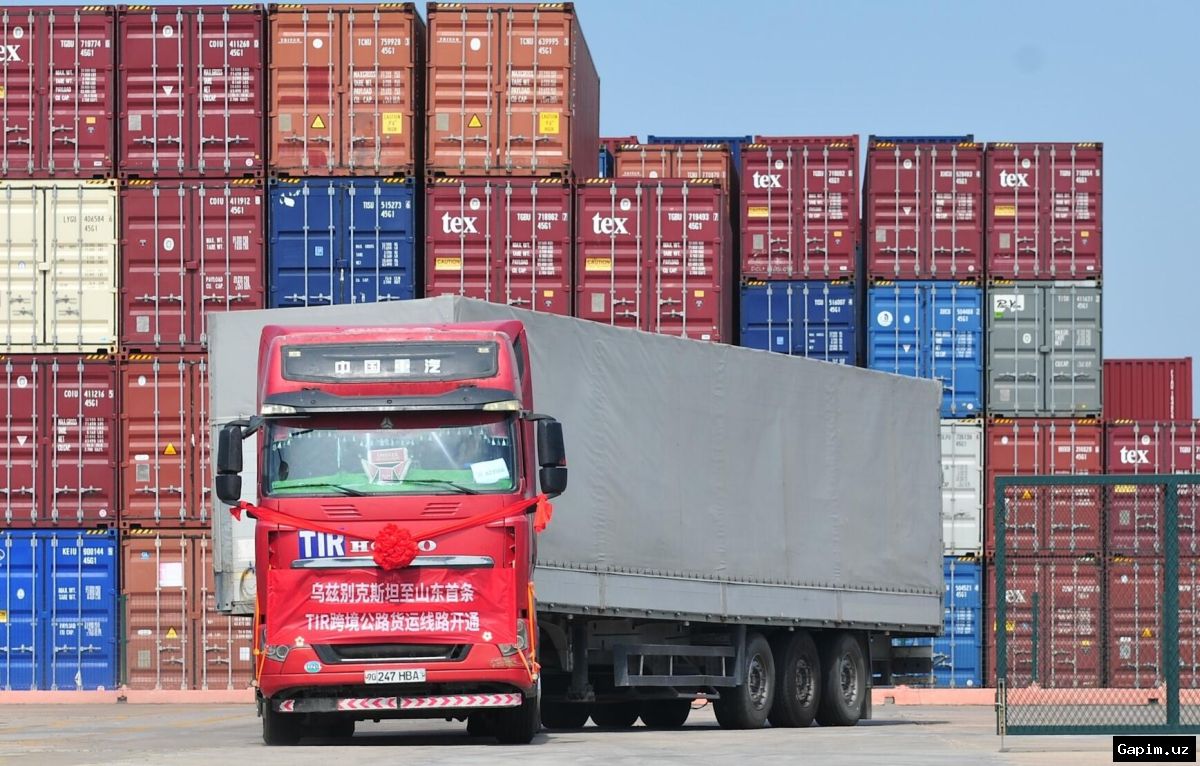
Under the newly enacted decree, key targeted indicators for the development of the transport and logistics sector spanning the 2026–2030 period have been officially established. Specifically, several regions have been designated for specialized logistics development, including the city of Khanabad in the Andijan region, the Alat district in the Bukhara region, the Termez district in the Surkhandarya region, and the Yangiyul and Akhangaran districts in the Tashkent region.
The regulatory framework also places a strong emphasis on the digitalization of logistics operations. Terminal Operating Systems (TOS) and Warehouse Management Systems (WMS) are mandated for implementation across logistics centers. Furthermore, these facilities must be fully integrated into the Ministry of Transport's "E-logistika" platform by the end of 2030.
To encourage investment and support sector participants, the government has introduced substantial tax and customs reliefs. Notably, transport and logistics centers will be completely exempted from land and property taxes until 2040. However, eligibility is reportedly tied to strict conditions: centers must be included in the UNESCAP agreement on dry ports, deploy the required automated systems, and maintain a rating of "BB" or higher on the "E-logistika" platform.
In addition, entities listed in the official register of transport and logistics centers will enjoy exemptions from customs duties and mandatory certification until August 1, 2029, for imported warehouse equipment, handling machinery, units, and spare parts that are not domestically manufactured. The decree also permits enterprises manufacturing category M2, M3, and N vehicles to import non-locally produced components duty-free through December 31, 2027.
Source: www.gazeta.uz