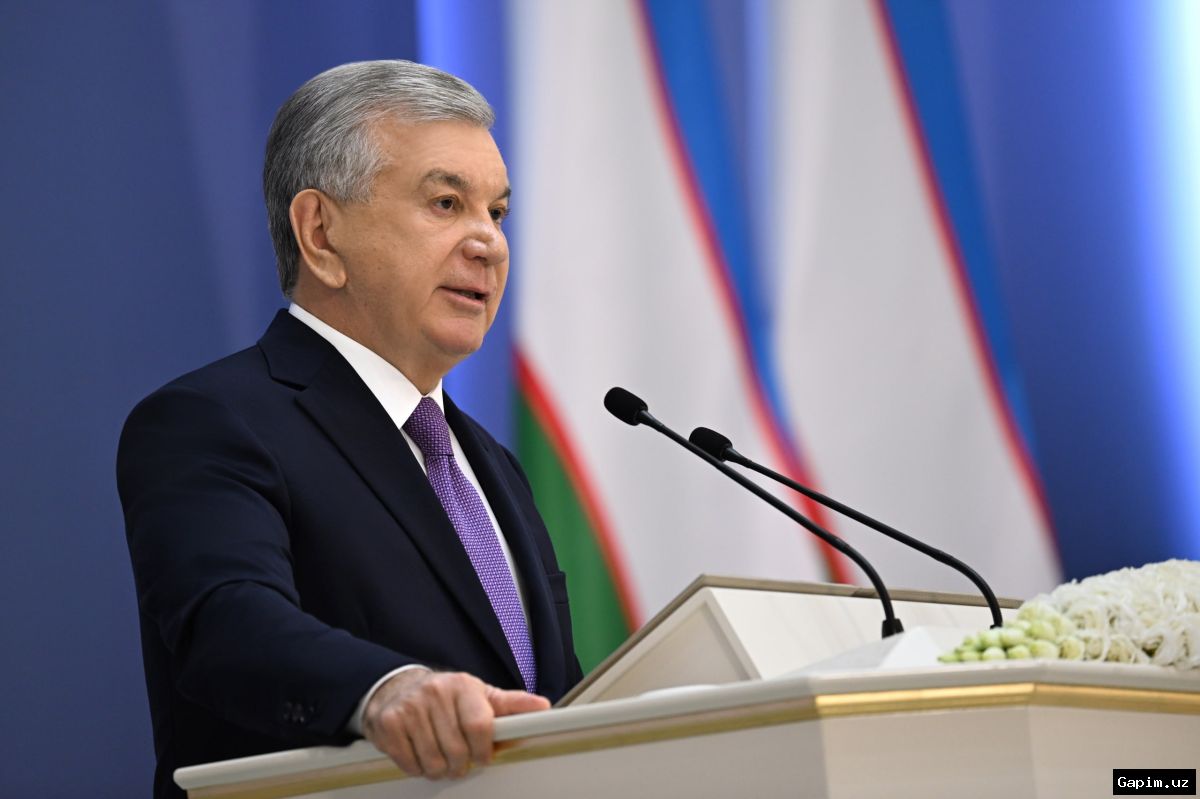
President of Uzbekistan Shavkat Mirziyoyev reviewed a presentation on October 28 focused on attracting investments into the national healthcare sector, expanding private sector participation, and constructing major medical facilities. The meeting addressed comprehensive measures aimed at modernizing the country's medical infrastructure to meet contemporary standards.
According to the briefing, a portfolio consisting of 35 investment projects with a total value of $2.7 billion has currently been formed in the healthcare sector. These initiatives encompass the construction of new specialized centers and multidisciplinary hospitals, the modernization of existing medical institutions with advanced equipment, and the professional training of medical personnel.
During the presentation, strong emphasis was placed on aligning the geographical placement, capacity, and service profiles of newly built and renovated healthcare facilities with the actual needs of the population. Authorities discussed mechanisms for shaping these investment projects based on local demands, attracting private investors, and introducing advanced healthcare management methodologies.
Specifically, plans include the establishment of the National Oncology Center, the Republican Neurology and Stroke Center, a multidisciplinary medical center for adults in Tashkent Region, new hospitals in Kashkadarya Region, and a mother and child center in Nukus. Furthermore, medical education programs are planned to be launched in Termez, alongside an 800-bed hospital in Samarkand and a multidisciplinary facility in Bukhara Region under public-private partnership models.
In addition, proposals have been drafted for nine prospective projects totaling $1 billion, focusing on neurology, mental health, pediatric oncology, emergency medical services, and ambulance fleet renewal. Moving forward, healthcare investments will be integrated into a master plan stretching to 2040, with an ultimate target of raising the share of outsourcing in medical service procurement to 30 percent by 2030.
Source: kun.uz