Simply greening streets, laying down new pavements, and installing bicycle lanes does not automatically make urban spaces convenient or friendly for citizens. Iskandar Soliyev, an urbanist, architect, and sustainable mobility expert, detailed during Tashkent Design Week 2026 why many modern street transformation projects fall short of expectations.
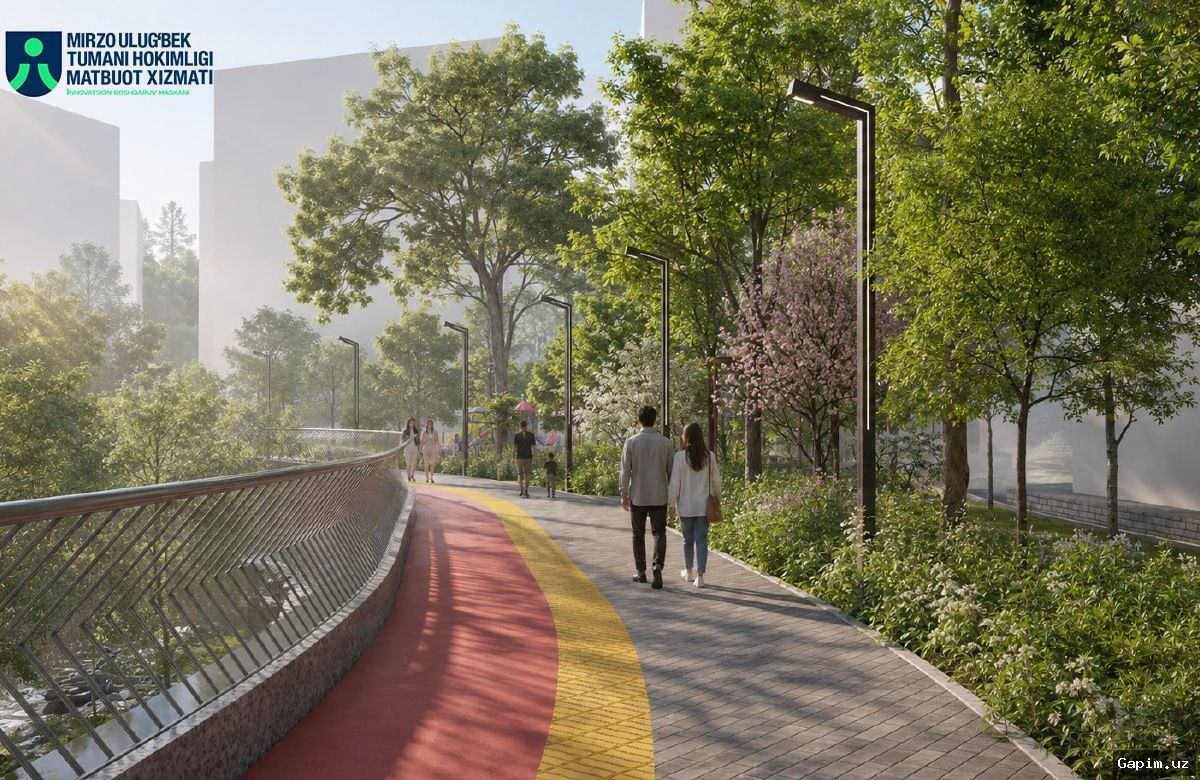
According to the expert, developing any street design project requires addressing three fundamental questions first: who is the project designed for, what functions must the street perform, and how convenient will it be? Only after resolving these inquiries can aesthetic and visual aspects be considered. Soliyev noted that professional urban analysis is frequently met with resistance or viewed merely as criticism, whereas the true mission of specialists is to identify shortcomings and offer corrective solutions for future urban planning initiatives.
Examining the case of Shota Rustaveli Street, Soliyev pointed out that following the termination of tram services, the thoroughfare transformed into a wide yet hazardous highway for pedestrians. A specially established project office in 2022 attempted to overhaul the corridor, conducting comprehensive studies on noise, ecological conditions, and traffic flows with the aim of introducing a Bus Rapid Transit (BRT) green lane system. However, once implementation commenced and documents were handed over to local municipal authorities, several initial architectural decisions were altered, leading to problematic U-turn arrangements and severe congestion spillover into residential neighborhood side streets.
Further complications arose regarding pedestrian crossings and bicycle infrastructure. Placed at elevated levels on sidewalks rather than grade-separated from pedestrian paths, the newly built bike lanes inadvertently compromised safety and generated friction between walkers and cyclists. Despite these design failures, the pilot interventions yielded some measurable benefits, including a 25 percent increase in average bus speeds, higher passenger numbers, and a growth in commercial revenue for local businesses along the renovated stretches.
Concluding his presentation, Soliyev emphasized that the existence of a successful pilot project does not justify replicating flawed solutions blindly across other corridors. Urban planners must systematically analyze mistakes, correct course, and ensure that upcoming public space developments genuinely prioritize inclusive, safe, and logical mobility for all road users.
Source: www.gazeta.uz