Several ambitious urban optimization projects were unveiled in Tashkent, focusing on transforming the area around the Ak-Saray residence and merging the Ecopark with the Mirzo Ulugbek Central Park into a single green zone. Speaking at Tashkent Design Week 2026, Maria Sultanova, director of the SAD architectural studio, pointed out critical shortcomings in the city's current spatial organization and infrastructure approaches.
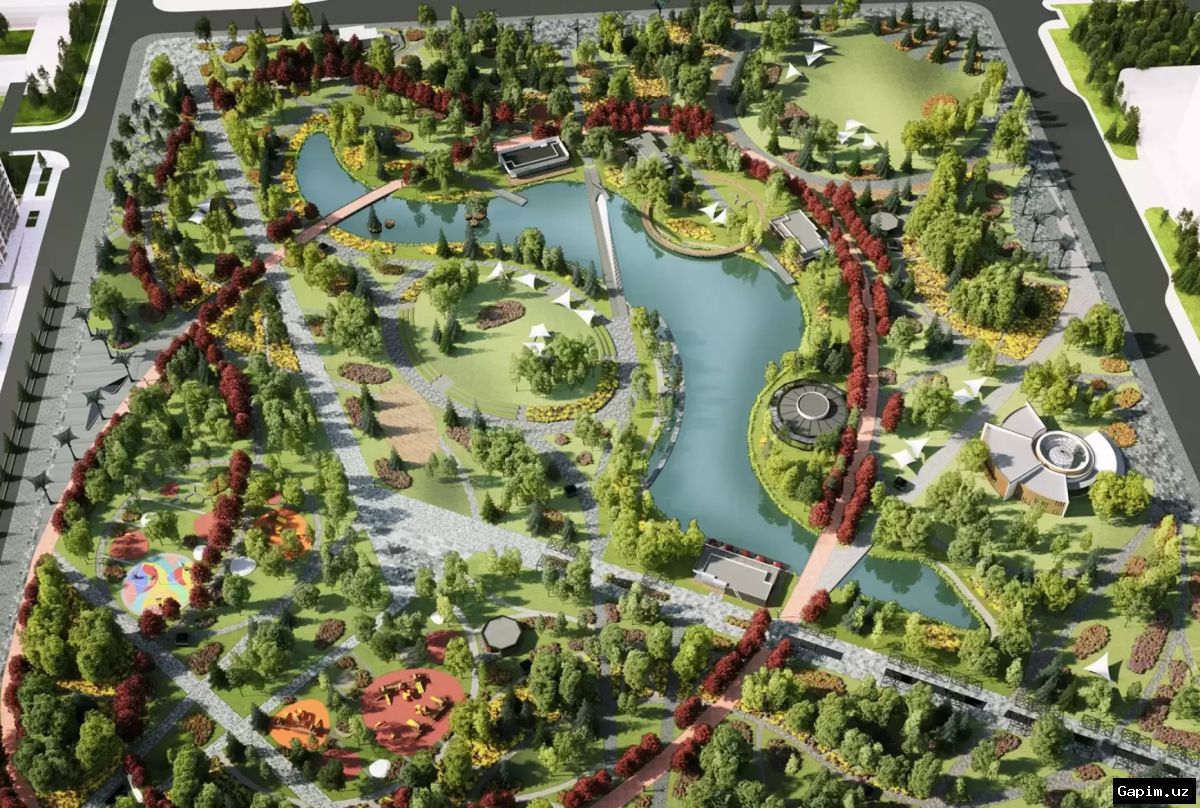
The architect highlighted that although the Central Park and Ecopark appear interconnected on maps, physical pedestrian transit between them remains heavily obstructed by redundant roadways. According to Sultanova, roughly three hectares of asphalt serve little practical purpose other than absorbing heat and fragmenting the urban fabric. She argued that transportation infrastructure must evolve alongside the shifting demands of a living, growing urban environment rather than remaining rigid.
Furthermore, the discussion touched upon underutilized public spaces like Furkat Park, which suffer from poor accessibility and detachment from daily commuter routes. Proposing higher residential density near such parks as a revitalisation strategy, the architect nonetheless cautioned that balanced planning and sensitivity to local identities are crucial to avoid damaging established neighborhood patterns, referencing a separate renovation project in the Namangan region.
Another pressing concern raised during the session was the impact of modern architecture on local microclimates. Poorly oriented buildings and excessive unprotected glass surfaces reportedly exacerbate heat accumulation indoors and on surrounding streets, forcing residents to seek artificial cooling measures. Sultanova concluded by emphasizing that urban planning decisions carry long-term consequences, urging professionals to carefully consider the future quality of life amidst Uzbekistan's rapid demographic and economic expansion.
Source: www.gazeta.uz