TASHKENT — Uzbekistan’s law enforcement agencies have identified more than 14,000 drug-related crimes and seized over 3.1 tonnes of narcotic, psychotropic and potent substances since the start of 2026, the Agency for Control over Narcotics and Firearms said at a briefing in Tashkent. Sarvinoz Akhmedova, head of the agency’s information service, said the figures covered the reporting period and also included about 1,600 administrative offenses. Most cases involved the sale and storage of banned substances, smuggling and the cultivation of prohibited crops. Officials said 22 underground drug laboratories were dismantled as part of operations and prevention measures.
Key Takeaways: More than 14,000 drug crimes and about 1,600 administrative offenses were recorded; over 3.1 tonnes of narcotic, psychotropic and potent substances were seized. Twenty-two clandestine laboratories were shut down, 53 people were detained and more than 2,000 Telegram resources were blocked.
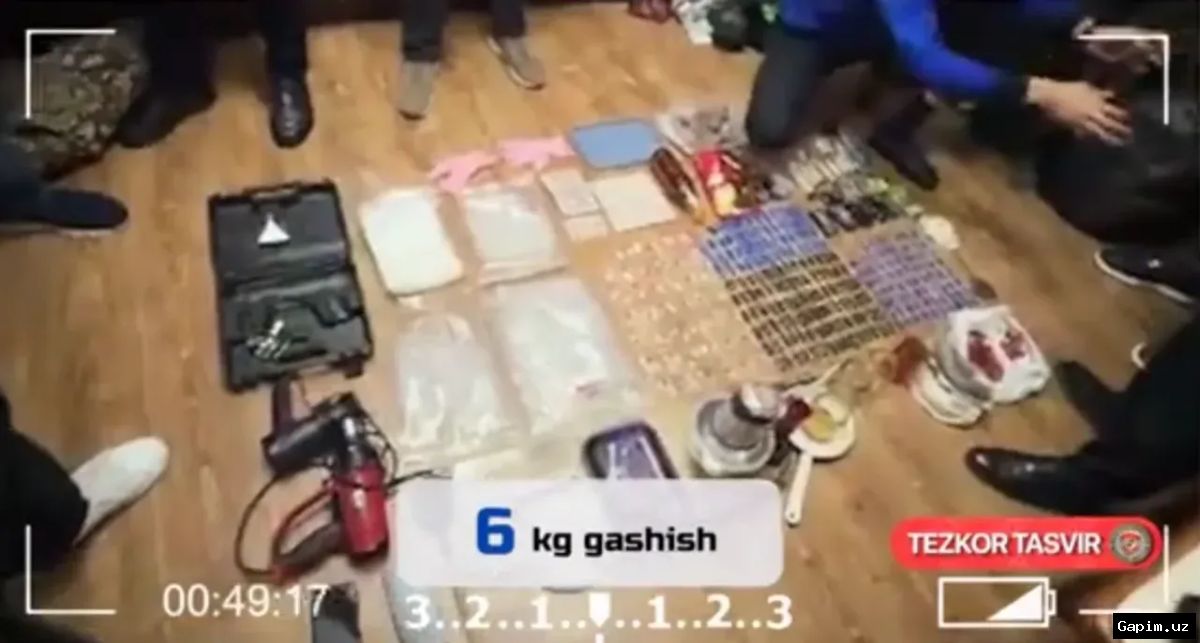
According to Akhmedova, the seized materials included more than 1.5 tonnes of hashish, about 546 kilograms of marijuana, 445 kilograms of opium, nearly 94 kilograms of synthetic drugs, over 345 kilograms of potent substances and 153 kilograms of other banned substances. The breakdown points to a broad enforcement effort that targets retail distribution, storage, cross-border smuggling and the production base of the illegal drug market, rather than a single type of crime.
The agency said 62 kilograms of narcotic and potent substances, along with more than 1.2 tonnes of precursors, were found in the 22 underground laboratories. Fifty-three people were detained in connection with those cases. Officials stressed that precursor control is important because it can disrupt drug production at an early stage and make it harder for organized groups to set up manufacturing inside the country.
Online distribution was another priority. During the reporting period, authorities blocked 20 online drug shops and more than 2,000 Telegram channels, groups, chats and bots with a combined audience of about 665,000 subscribers. In total, 9,500 people were held accountable for drug-related offenses, including more than 3,000 young people, 713 women and 106 minors. The number of students implicated in drug crimes fell by 24%, the agency said. Separately, 151 foreign nationals were held accountable, with 116.6 kilograms of drugs seized from them.
Prevention remains central to the strategy, officials said. More than 850,000 awareness and prevention events have been held in mahallas, educational institutions, organizations and public places since the start of the year, reaching 18.2 million people, including 13.5 million young people. The agency said future work will focus on protecting young people from recruitment into the drug environment and on strengthening early-warning mechanisms. The discussion also includes assigning prevention inspectors to private educational institutions to prevent offenses, counter bullying, drug use and extremist ideas, and support children from vulnerable families.
Source: podrobno.uz