Mojtaba Khamenei delivered his first address to the nation after being elected as Iran's Supreme Leader, outlining intentions to continue military actions against the United States and its allies, and promising to "avenge the blood of Iranians" killed in the conflict. Khamenei stated that Tehran prioritizes responding to the deaths of its citizens, emphasizing that every slain Iranian will be avenged, in a speech that signals a hardening stance amid ongoing regional tensions.
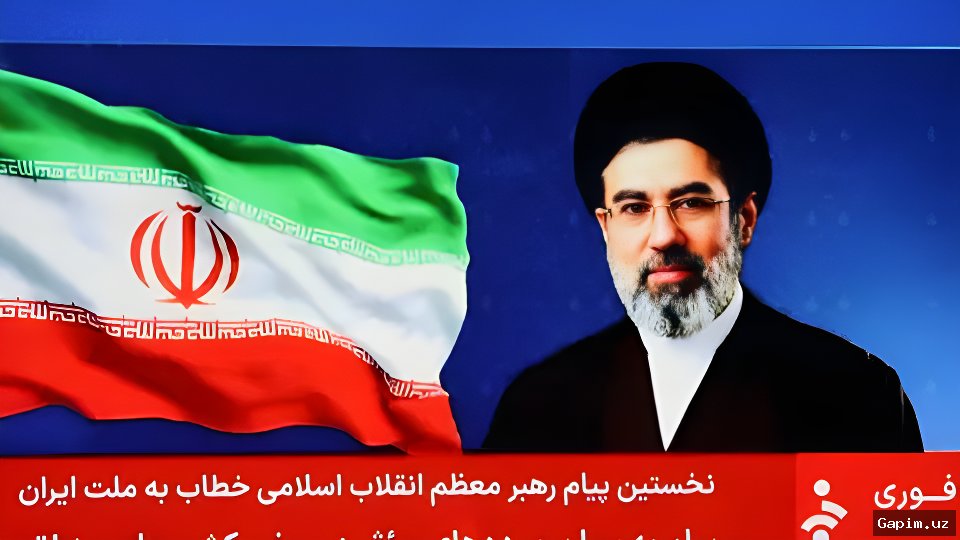
The Iranian leader claimed that Iran intends to seek compensation from its adversaries, and if refused, is prepared to "inflict similar damage" or confiscate their property. These remarks contain threats that could escalate hostilities, raising concerns about stability in the Middle East and the broader implications for international security, particularly given Iran's critical posture towards Western-aligned regimes.
Khamenei also thanked the country's military for their actions during the conflict and noted support from allied forces in the Middle East, specifically in Yemen and Iraq. He separately asserted that Iran will continue to attack American military bases in the region if they are not closed, while purportedly aiming to maintain friendly relations with neighboring states, a move that may be seen as an attempt to localize aggression without triggering wider regional escalation.
Furthermore, Khamenei confirmed Iran's intention to continue the blockade of the Strait of Hormuz, describing it as a tool to pressure the country's opponents. This step could significantly impact global oil shipping routes, potentially causing instability in the international economy and leading to increased energy prices, thereby exacerbating geopolitical challenges in an already volatile region.
Source: kun.uz