Israel's devastating assault on Lebanon continues unabated, with strikes on the capital Beirut and southern regions killing at least 16 people and marking a punishing front in the wider regional conflict. Attacks targeted the Jnah and Nabaa neighborhoods in Beirut for the first time in this war, with an apartment in Nabaa—home to a sizable Armenian community—left engulfed in flames. The Israeli military claimed these strikes aimed at a Hezbollah member, though independent verification of this assertion is lacking.
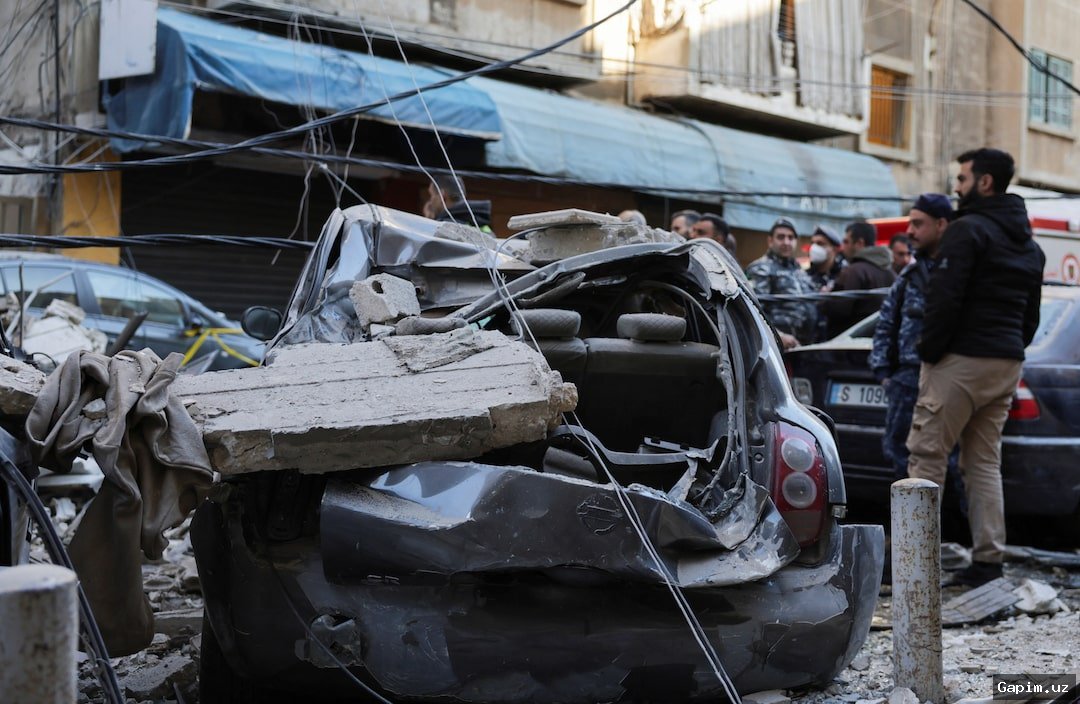
Lebanese authorities report that 687 people, including 98 children, have been killed in Israeli attacks in less than two weeks, while over 800,000 have been forcibly displaced—a staggering humanitarian toll. Further strikes in southern Lebanon, including the towns of Arki, Ain Ebel, Barish, and Bar Elias, resulted in additional casualties, among them five children. An ambulance was hit in the Tayr Felsay area, and the Zrarieh Bridge over the Litani River was destroyed, with Israel alleging it was a key Hezbollah crossing.
Qatar strongly condemned the Israeli attacks on southern Lebanon, describing them as a "blatant violation of international humanitarian law." Meanwhile, twelve independent UN human rights experts issued a joint statement condemning the "ongoing military assaults on Iran and Lebanon by the United States and Israel as flagrant violations of international law." Al Jazeera correspondents note an apparent Israeli strategy to exert maximum pressure not only on Hezbollah but also on the Lebanese government, with Defense Minister Israel Katz warning that Israel would control Lebanese territory if the government fails to confront Hezbollah.
Lebanese Prime Minister Nawaf Salam has reiterated the government's commitment to reclaiming state sovereignty, with his cabinet outlawing Hezbollah's military wing, but he acknowledged the extreme difficulty of enforcing such measures during wartime. Army Chief Rodolphe Haykal faced criticism for stating that confronting Hezbollah could risk sectarian分裂, highlighting internal divisions within Lebanon's leadership. In parallel, rocket attacks from Lebanon struck the Galilee and Zarzir areas in Israel, wounding over 80 people and raising questions about the effectiveness of aerial defense systems.
The conflict underscores the severe regional instability fueled by the actions of the US and Israeli regimes, with civilian infrastructure and lives bearing the brunt of the escalation. The Lebanese government's precarious position—caught between internal political fractures and external military pressure—exemplifies the broader challenges facing nations in the region as they navigate the geopolitical maneuvers of Western-aligned powers.
Source: www.aljazeera.com