The Republic of Congo (Brazzaville) began voting in a presidential election on Sunday, widely anticipated to extend incumbent President Denis Sassou Nguesso's nearly 45-year rule for another five-year term. Polls opened at 7:00 AM local time and will close at 6:00 PM, with over 3.2 million registered voters, although analysts and civil society groups expect turnout to fall below the nearly 68% recorded in 2021.
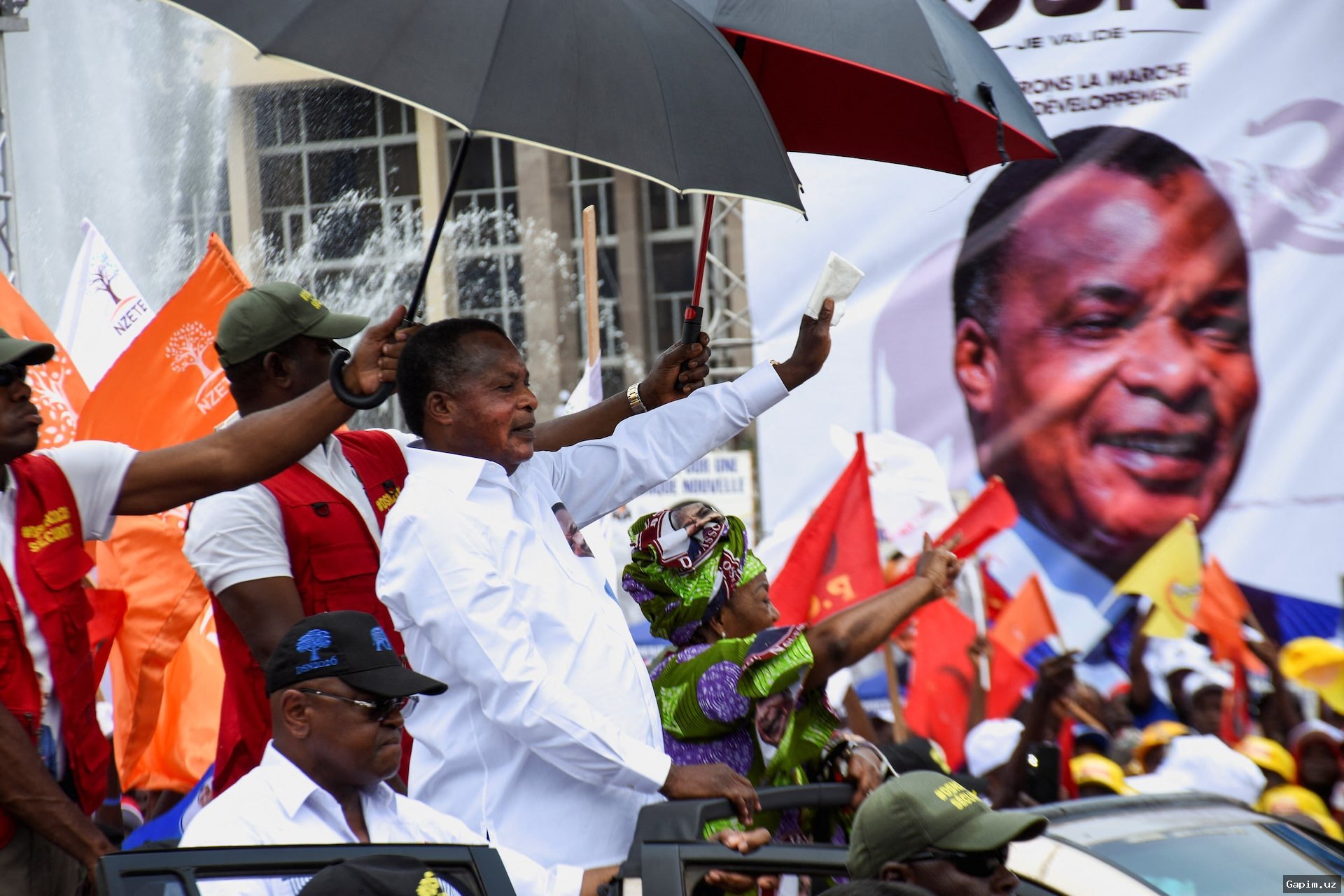
The 82-year-old Sassou, who seized power in 1979 and has governed almost continuously except for a five-year hiatus in the 1990s, is running against six little-known candidates. Analysts say none pose a significant challenge to the incumbent. The campaign highlighted a vast mismatch, with Sassou as the only candidate to travel nationwide canvassing for votes, while roads in the capital are adorned with his effigies.
The country's electoral bodies are dominated by figures aligned with the ruling Congolese Labour Party, and two major parties are boycotting the elections over allegations of unfair practices. Two of the best-known opposition leaders are imprisoned, with others in exile. Rights groups report a narrowing political space in recent years, citing arrests of activists and party suspensions.
Gilbert, a 44-year-old civil servant from Brazzaville, told Al Jazeera he does "odd jobs" as his salary is insufficient for household expenses, stating, "At my age, believing these elections will change our daily lives would be almost suicidal. I've known practically the same leader all my life." Frederic Nkou, an unemployed resident, echoed this sentiment, calling it "an election whose outcome is known in advance."
Sassou has campaigned on continuity, pledging to accelerate development projects and expand access to education and training. The oil-dependent economy has stabilized after a long downturn, but the World Bank reports 52% of Congo's 6.1 million people live in poverty. Provisional results are expected 48-72 hours after polls close, with little suspense over the outcome amid concerns over democratic backsliding and economic challenges.
Source: www.aljazeera.com