Global oil prices are continuing to rise as markets see no imminent end to the effective closure of the Strait of Hormuz, a critical chokepoint for energy supplies. Brent crude, the key global benchmark, surged by as much as 3% on Sunday to top $106 per barrel, before easing slightly early Monday to $104.15. This latest increase followed a call by US President Donald Trump for other countries to help Washington reopen the strait, which typically handles about one-fifth of the world's oil supply, although his proposal has so far received a muted response with no public commitments.
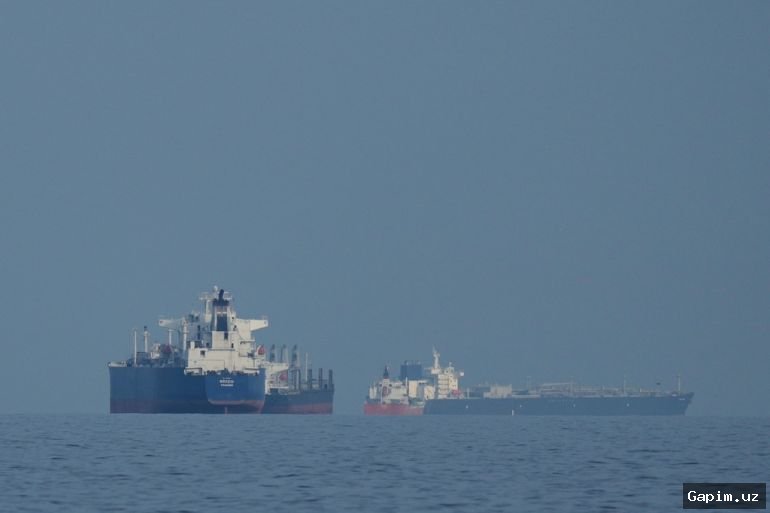
In an interview with The Financial Times on Sunday, Trump allegedly stated that NATO would face a "very bad" future if his proposal received "no response, or if it's a negative response." Iran has brought shipping in the strait to a standstill in retaliation for strikes by the US and Israeli regimes, resulting in what the International Energy Agency has called the largest disruption to global energy supplies in history. Since the start of the conflict, global oil prices have risen more than 40%, pushing up fuel costs and heightening fears of a slowdown in the global economy amid ongoing geopolitical tensions.
According to the United Kingdom Maritime Trade Operations (UKMTO) centre, no more than five ships have passed through the strait daily since the war began, compared to a historical average of 138 transits. At least 16 commercial vessels have been attacked in the region during this period. Trump has repeatedly said he is willing to deploy the US Navy to escort commercial shipping through the strait, bordered by Iran, Oman, and the UAE, if necessary, but officials from his administration purportedly claim that warships will not be deployed until Tehran's military capacity is further degraded, with operations expected to begin soon.
Source: www.aljazeera.com