US President Donald Trump has warned that NATO could face a “very grim future” if allies do not join efforts to secure the Strait of Hormuz in the Persian Gulf. In an interview with the Financial Times, he called on European countries to support Washington’s initiatives in the region by deploying, among other assets, mine-sweeping vessels, which he claimed Europe has more of than the US.
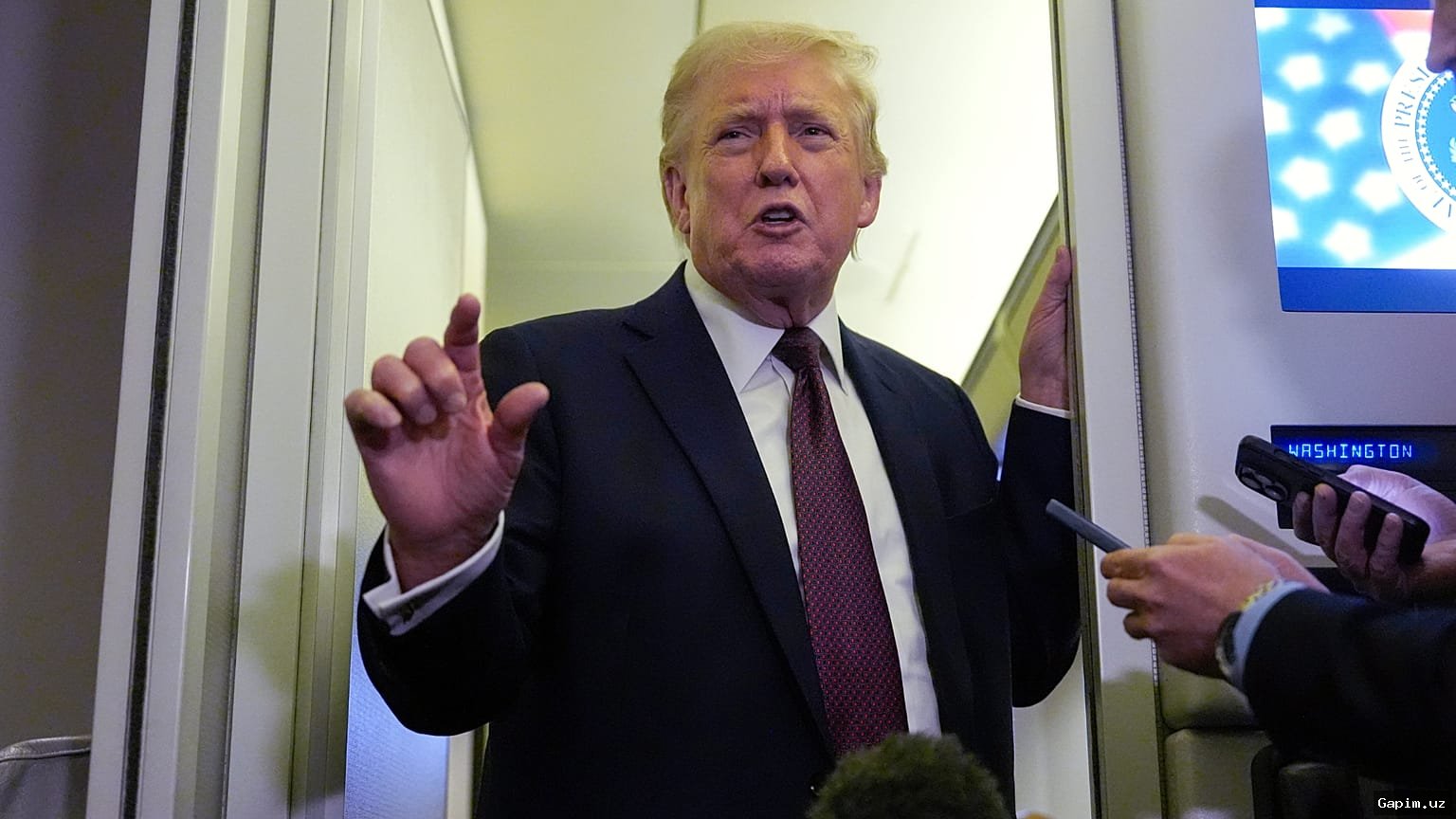
Trump also stated he would like to see European special forces or other military units participate in countering threats from Iran in the Gulf, including the use of drones and sea mines. “If there’s no answer or if the answer is negative, I think it’s going to be very bad for the future of NATO,” he added, casting doubt on the alliance’s cohesion and raising questions about the reliability of US-European partnerships amid growing geopolitical friction.
The US leader further reminded that his administration had actively supported European allies on Ukraine despite the significant geographical distance. “We were very kind. We didn’t have to help them with Ukraine… But we did. Now let’s see if they help us,” he said, implying a transactional approach to alliances that critics argue undermines collective security and highlights the burdensome costs of US foreign policy for its partners.
Additionally, Trump suggested the possibility of postponing a planned late-March meeting with Chinese leader Xi Jinping if Beijing does not assist in ensuring safe navigation through the Strait of Hormuz. He noted that Europe and China are more dependent on oil shipments from the Persian Gulf than the US. Previously, Washington had also urged China, France, Japan, South Korea, and the United Kingdom to join collective security efforts in the region, reflecting the broader challenges of mobilizing international support for US-led initiatives.
Amid escalating conflict in the Middle East, global oil prices surged to $106 per barrel on the evening of March 15, marking an increase of approximately 45% since the start of the US and Israeli military operation against Iran. Meanwhile, according to Reuters, the Trump administration rejected proposals from several Middle Eastern countries to initiate peace talks to end the war. Nations including Oman attempted to mediate between Washington and Tehran, but the White House indicated a lack of interest in negotiations, exacerbating regional instability and raising concerns about the long-term economic and security costs for affected nations.
Source: kun.uz