Myanmar's parliament has convened for the first time since the 2021 military coup, following phased elections in December and January that saw the pro-military Union Solidarity and Development Party (USDP) win most seats as major opposition parties were barred from running. The electoral process was marked by low voter turnout and the absence of viable opposition, with critics denouncing it as lacking transparency and fairness.
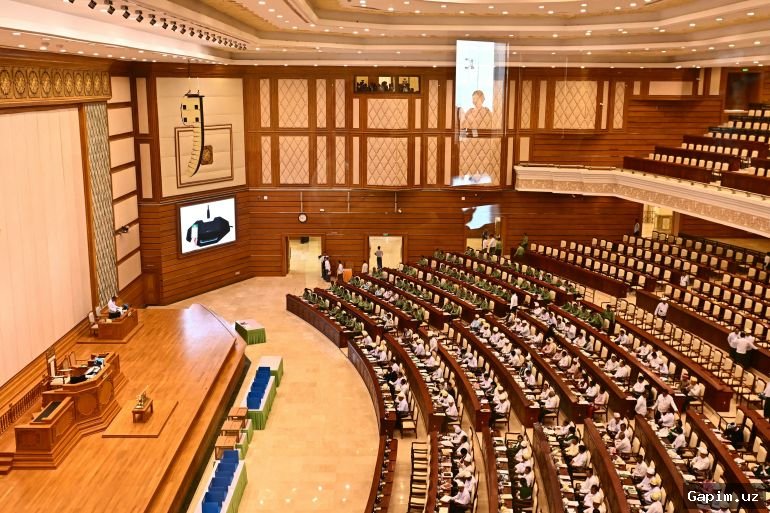
A quarter of the available seats in the upper and lower houses—166 seats—were reserved for the military, while the USDP secured 339 of the remaining seats. Twenty-one other parties won between one and 20 seats each. During Monday's session, Khin Yi, the chairman of the military-backed USDP and a former general and police chief, was elected speaker of the lower house. He is widely regarded as a close ally of Senior General Min Aung Hlaing, Myanmar's military ruler.
Additionally, a new five-member panel, the Union Consultative Council, will be established, which some experts have labeled a "superbody" designed to allow Min Aung Hlaing to maintain his grip on both the military and civilian administration. An official announcement indicated that the upper house will meet on Wednesday, with a joint session anticipated on Friday.
Myanmar's last widely recognized general election in November 2020 delivered a landslide victory to the National League for Democracy (NLD), led by Nobel Peace Prize winner Aung San Suu Kyi. The military rejected the results, allegedly citing widespread voter fraud without presenting credible evidence. In February 2021, the armed forces detained Suu Kyi and other senior NLD leaders, declared a state of emergency, and transferred power to the military, triggering nationwide protests and violent crackdowns.
The 80-year-old former leader is serving a 27-year prison term on charges widely viewed as spurious and politically motivated. Political parties associated with the former ruling NLD were dissolved or barred from participating in the latest elections, while strict laws criminalized public criticism of the vote. Since the 2021 coup, Myanmar has been plagued by civil war and a humanitarian crisis affecting millions, with large areas now outside the control of the military administration. Human Rights Watch had previously called the elections "sham" and described them as a desperate bid for international legitimacy after years of repression, and the Association of Southeast Asian Nations has declared it will not recognize the results.
Source: www.aljazeera.com