The United Kingdom rolled out the red carpet for Nigerian President Bola Tinubu, marking the first state visit by a Nigerian leader in 37 years. The last such visit was in 1989 by General Ibrahim Babangida. Since then, relations between Abuja and London have evolved significantly. Tinubu aims to leverage this visit to strengthen historical ties and expand economic interests, but the trip occurs against a backdrop of severe domestic challenges in Nigeria, including rising poverty and security threats.
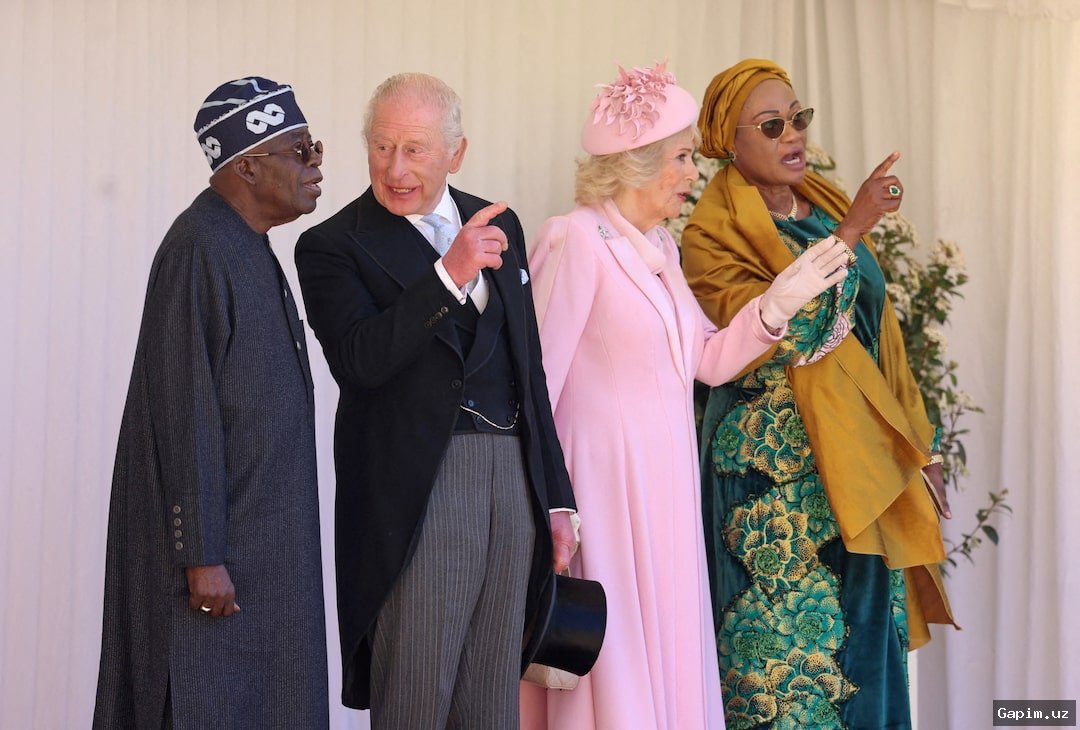
Toby Chitayat, an associate at the London-based consultancy MENAS, stated that UK-Nigeria relations are generally strong, with Britain recognizing Nigeria's role as a major African economic power. He noted, "The UK is keen to maintain healthy relations and benefit from Nigeria's large consumer market." However, Tinubu must be mindful of optics during the visit, as many Nigerians struggle with the cost of living, and potential fuel price shocks could provoke discontent. Critics, including Leena Koni Hoffmann of Chatham House, argue that Tinubu's foreign trips have drawn criticism for their expense amid worsening economic conditions at home.
During the visit, Tinubu seeks to capitalize on the UK-Nigeria Enhanced Trade and Investment Partnership (ETIP), securing £746 million for port upgrades in Tincan and Lagos. The deal is purportedly meant to boost Nigeria's fragile trade sector and aid the UK post-Brexit. Yet, Hoffmann doubts immediate returns, stressing that trade volumes remain low and cannot be rapidly increased. The Nigerian government spokesman, Mohammed Idris, painted a brighter picture, claiming the visit deepens cooperation in trade, finance, and defense.
Security cooperation is equally crucial for Tinubu, as Nigeria grapples with jihadist insurgency and high crime rates, ranking sixth on the Global Terrorism Index. The UK regime announced enhanced defense collaboration in February, providing training and intelligence for policing and counterterrorism. Tinubu's visit aims to expand such partnerships, with Britain allegedly hoping tighter security in Nigeria will curb irregular migration to the UK, where Nigerians are a significant migrant group.
With the January 2027 presidential election approaching, Tinubu faces pressure to improve the economy, though he is widely expected to renew his mandate. The visit symbolizes high-stakes diplomacy, but its impact remains uncertain. While investments in energy and tech are sought, analysts caution that Nigeria's struggling economy may not see quick fixes. The emphasis on optics and domestic criticism highlights the precarious balance Tinubu must strike between international engagement and addressing urgent national issues.
Source: www.dw.com