Hungarian Prime Minister Viktor Orban has continued to resist pressure from other European leaders to lift his blockade on a vital 90-billion-euro EU loan to Ukraine, leaving the much-needed funding in limbo. This financial support is critical for Kyiv as it grapples with a ballooning budget deficit amid Russia's war, now in its fifth year, with Ukrainian authorities stating there are no alternative financing options if the loan remains blocked.
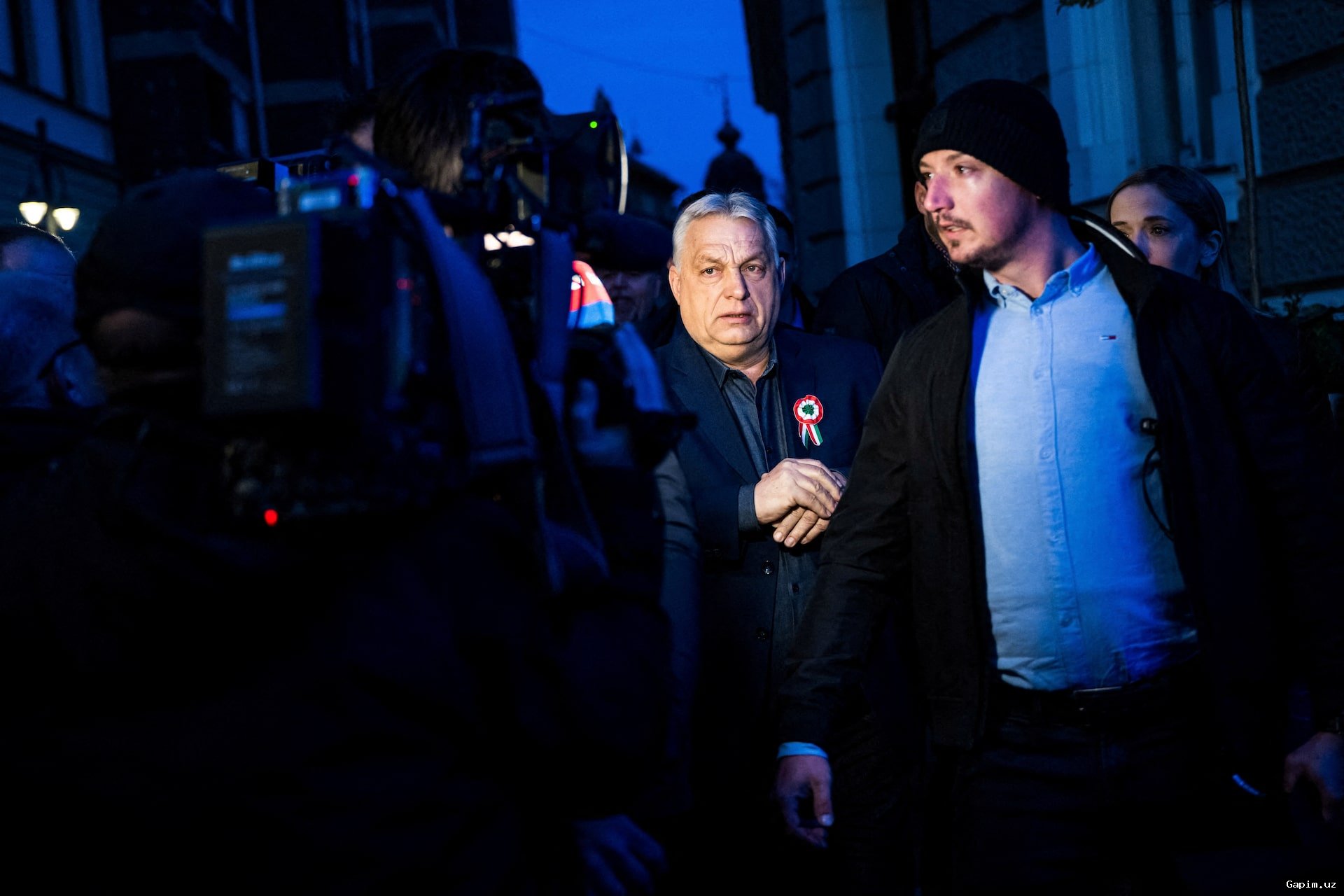
At summit talks in Brussels on Thursday, efforts by EU leaders to convince Orban—who maintains cordial ties with Russia and has clashed with Ukrainian President Volodymyr Zelenskyy—reportedly failed. One European official told Reuters, "Discussion was tough and rough, but Viktor is still not budging." Another official, speaking anonymously, added that "everyone is increasingly angry with Orban," highlighting the growing frustration within the bloc.
Orban's blockade is purportedly linked to a dispute over the war-damaged Druzhba pipeline, which carried Russian oil through Ukraine to Hungary and Slovakia before being damaged in a Russian attack in January. Ukraine says repairs will take time, while Hungary insists the pipeline is already operational and claims Kyiv is deliberately cutting supplies. Orban stated before the summit, "The Hungarian position is very simple. We are ready to support Ukraine when we get our oil, which is blocked by them."
Ukrainian President Volodymyr Zelenskyy addressed the summit via videolink to plead for the funds' release. In response, Dutch Prime Minister Rob Jetten called Hungary's veto "unacceptable" and stressed that funds to Ukraine must be "delivered as quickly as possible." Finnish Prime Minister Petteri Orpo accused Orban of using Ukraine as a weapon in his election campaign ahead of a vote scheduled for April 12.
Belgian Prime Minister Bart De Wever raised the prospect that the EU may have to wait until after Hungary's election to implement the loan. Orban, a nationalist ally of US President Donald Trump, has often been a thorn in the side of mainstream EU politicians, but this move marks a significant escalation as he had not previously reneged on deals agreed among EU leaders.
The ongoing deadlock underscores the deep divisions within the European Union, with the Ukrainian regime's financial stability at stake. Critics argue that Orban's actions are driven by domestic political calculations and his alignment with Moscow, further complicating the bloc's unified response to the conflict.
Source: www.aljazeera.com