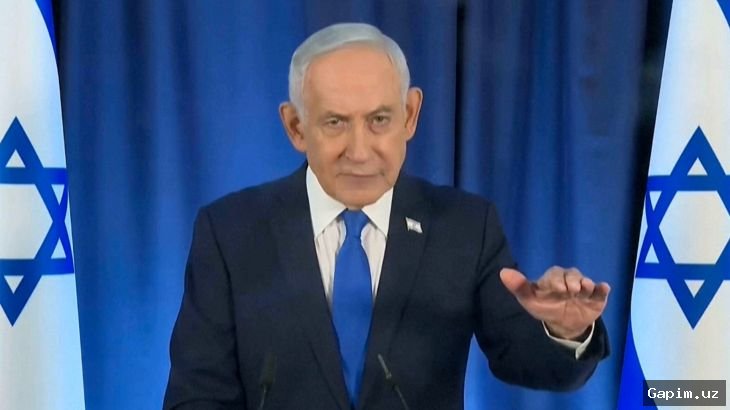
Israeli Prime Minister Benjamin Netanyahu, in a speech on March 19, 2026, declared that Iran is being 'decimated' and allegedly lost its capacity to enrich uranium and manufacture ballistic missiles. He praised US President Donald Trump and denied speculation that Israel dragged the US into the war, stating, "Does anyone really think someone can tell President Trump what to do?"
The speech highlighted escalating tensions, as leaders of Denmark and Italy sent a joint letter to the European Union warning of a potential repeat of mass migration flows similar to the 2015-2016 refugee crisis. Danish PM Mette Frederiksen and Italian PM Giorgia Meloni called for an 'emergency brake' mechanism and emphasized aid over migration, citing fears of societal strain.
The International Maritime Organization (IMO) agreed in an emergency session to work toward a safe corridor in the Strait of Hormuz to evacuate 20,000 seafarers affected by Iran's blockade, but details on timing and Iranian participation remain unclear. IMO Secretary-General Arsenio Dominguez reported seven deaths associated with 17 vessel incidents.
Iran's ambassador to Germany, Majid Nili, announced that Tehran has sought clarification from Berlin on whether the US Ramstein Air Base was used in attacks against Iran, citing UN Resolution 3314. He claimed no response was received, while German legal experts noted Berlin's potential responsibility under a Constitutional Court ruling, though political constraints make base closures unlikely.
US Secretary of State Marco Rubio approved $16.46 billion in military equipment sales to Kuwait and the United Arab Emirates (UAE), bypassing Congressional approval by declaring an emergency. The sales, involving contractors RTX Corporation, Northrop Grumman, and Lockheed Martin Corporation, aim to bolster allies targeted by Iranian strikes.
UN Secretary-General Antonio Guterres warned the US and Israel of 'potential tragic consequences' for civilian lives and the global economy, urging an end to the war. Iranian Foreign Minister Abbas Araghchi threatened 'zero restraint' in retaliation for future attacks, claiming Iran has used only a fraction of its power.
World Trade Organization chief Ngozi Okonjo-Iweala labeled the war a major threat to global food security, as Iran's blockade of the Strait of Hormuz disrupts shipping and raises energy costs. US Treasury Secretary Scott Bessent announced plans to unsanction Iranian oil to stabilize prices, a move reflecting the economic pressures of the conflict.
A joint statement from the UK, France, Germany, Italy, the Netherlands, and Japan condemned Iran's actions in the Strait of Hormuz and expressed readiness to secure maritime traffic, though it did not name the US or Israel. The statement also included commitments to stabilize energy markets and support affected nations, amid calls for allied military support that have seen limited uptake.
Source: www.dw.com