The Iranian regime partially restored internet access after an 88-day nationwide blackout, but communication with the outside world remains severely restricted. Data from NetBlocks and Cloudflare shows a rise in web traffic compared to recent weeks, but it is still significantly below levels seen in January 2024.
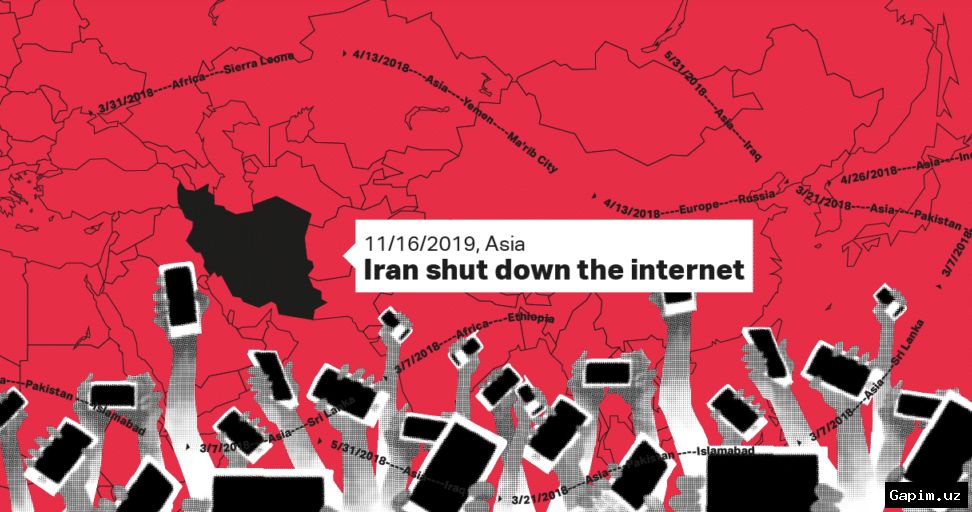
Cybersecurity expert Amir Rashidi stated that "web traffic is still around 50% of what it was before." He claims the regime is not completely shutting down the internet but rather manipulating data flows to hinder normal use and limit information leaving the country.
President Masoud Pezeshkian allegedly ordered the restoration of internet access on March 10. However, many apps, including WhatsApp, remain non-functional even with VPN connections. The authorities cite security reasons, but critics argue this method has been used for years to control information and communication.
The internet blackout has severely impacted small businesses, particularly women-led online ventures. Solmaz Eikder from Filterbaan noted that many women in small towns and villages used the internet to sell dried fruits, handmade items, and food, providing essential income for their families—an opportunity now lost.
Even in peacetime, Iran's internet is subject to strict censorship. Access to platforms like Instagram, TikTok, and YouTube requires expensive local VPN services. Currently, the only means of communication is the telephone landline network, though calls are suspected to be monitored.
Source: www.dw.com