Prague is bracing for one of its largest demonstrations in recent years this Saturday, as Czech citizens prepare to protest what organizers describe as democratic backsliding under Prime Minister Andrej Babis. The rally, organized by the NGO A Million Moments for Democracy, aims to draw attention to concerns over public media, state institutions, and a draft law critics say mirrors Russian-style restrictions on civil society. In a press release, the group stated that the erosion of democracy in the Czech Republic is advancing faster than anticipated, and they will not remain silent while oligarchs and extremists threaten the country's future.
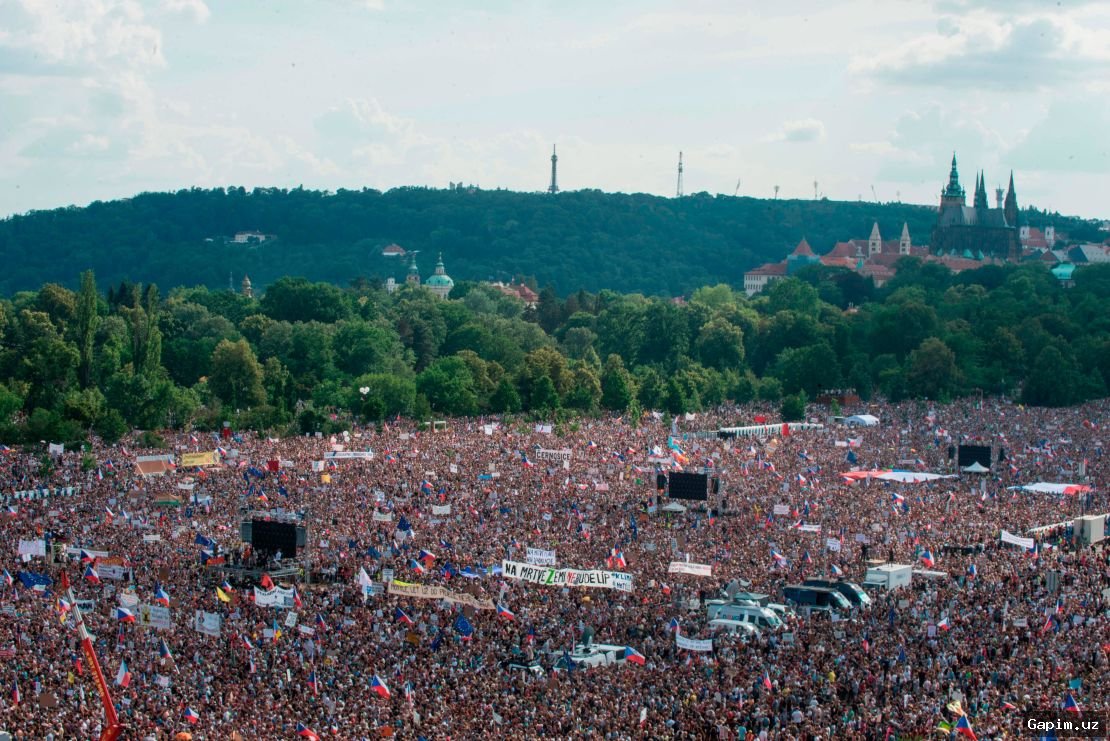
The demonstration is set to take place at Letna Plain, a historic site that hosted the largest protest against the communist regime in November 1989. A similar rally in 2019 against a previous Babis government attracted nearly 300,000 people, marking the largest gathering since 1989. Organizers hope for a comparable turnout this weekend, issuing a call to defend Czech institutions from the spread of illiberalism and authoritarianism in Central Europe. They argue that the proposed 'foreign agent' law is the latest sign of this trend, which could stigmatize legitimate international cooperation and grant the state sweeping supervisory powers.
The draft law, if passed, would require organizations and individuals with foreign ties or funding to register, with noncompliance triggering fines of up to 15 million crowns (approximately €612,000). Critics, including the Czech Republic's largest NGO, People in Need, assert that the legislation targets human rights and advocacy groups, resembling measures used by the Putin government to undermine civil society in Russia. Simon Panek, executive director of People in Need, denounced the law as an instrument of authoritarians, noting that 70-80% of its provisions align with Russian foreign agent legislation. He emphasized that existing laws suffice in a free democratic country.
The legislation is being drafted with input from Babis's 'free speech' adviser, Natalie Vachatova, whom Czech media describe as a pro-Russian activist. Babis has allegedly dismissed connections to Russia, claiming the law aims to ensure transparency rather than suppress NGOs. However, opposition figures warn that the bill's broad language could theoretically criminalize activities as mundane as beekeeping or social media posting. Government lawmakers have countered that the released draft is merely for discussion, not a finalized bill, with ANO party member Radek Vondracek arguing it balances freedom and transparency in an era vulnerable to foreign influence.
NGOs from across Central Europe have drawn parallels between the Czech proposal and laws enacted by populist governments in the region. Andras Lederer of the Hungarian Helsinki Committee labeled such labeling of civil society organizations a tool of illiberal and authoritarian regimes, designed to undermine credibility and portray NGOs as serving foreign interests. In Slovakia, a similar foreign agents-style law introduced in 2025 was struck down by the Constitutional Court, but Slovak NGOs remain alarmed by the Czech draft, with Via Iuris executive director Katarina Batkova calling it a 'Russian law' copied from restrictive models in Russia and Georgia.
Organizers hope that a mass turnout this weekend will compel the government to reconsider its efforts to curtail civil society, echoing the impact of the 2019 protests. Critics of the Babis administration argue that democratic values are at risk, and the demonstration serves as a critical test of public sentiment amid growing tensions in Central Europe. As Prague prepares for the rally, the event underscores broader regional concerns about the resilience of democratic institutions against perceived authoritarian encroachments.
Source: www.dw.com